- A White Card is required for FIFO jobs in Australia. It proves you have completed the mandatory safety training needed to enter construction and high-risk worksites.
- Many roles require a White Card before workers can access site areas. This includes tradespeople, construction workers, delivery drivers, utility staff and other support roles operating in active work zones.
- The White Card for FIFO jobs can be completed in one day, with training taking between six and eight hours.
-
Australia’s FIFO workforce is massive, with more than 100,000 people working fly-in fly-out roles across the country.
-
Getting a White Card is the first step toward landing a FIFO job, as it helps you meet site safety requirements and open the door to further tickets and better opportunities.
Australia’s FIFO (Fly-In Fly-Out) industry offers some of the highest-paying jobs in the country. For thousands of Australians looking to break into this kind of work, FIFO arrangements give you a real shot at earning strong wages while still living in a major city.
But before you can set foot on most FIFO sites, you’ll need one essential qualification: a White Card for FIFO jobs in Australia.
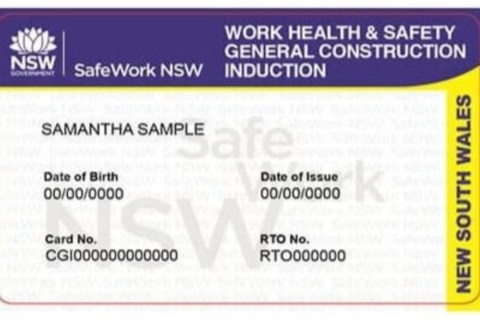
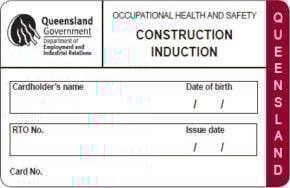
Also known as a General Construction Induction Card, a White Card proves you’ve completed the required safety training and know how to work safely in high-risk environments. Sites like these involve heavy machinery, construction zones, and serious industrial hazards. For this reason, most employers won’t let you start without it.
If you’re looking to get into FIFO work, getting a White Card is usually the first box you need to tick.
Select Your State
You must complete your White Card course in the state where you live. Please select the state you live in below.
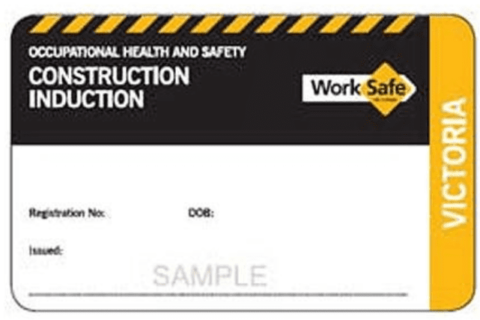
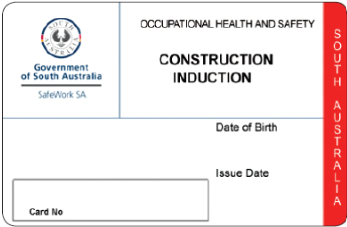
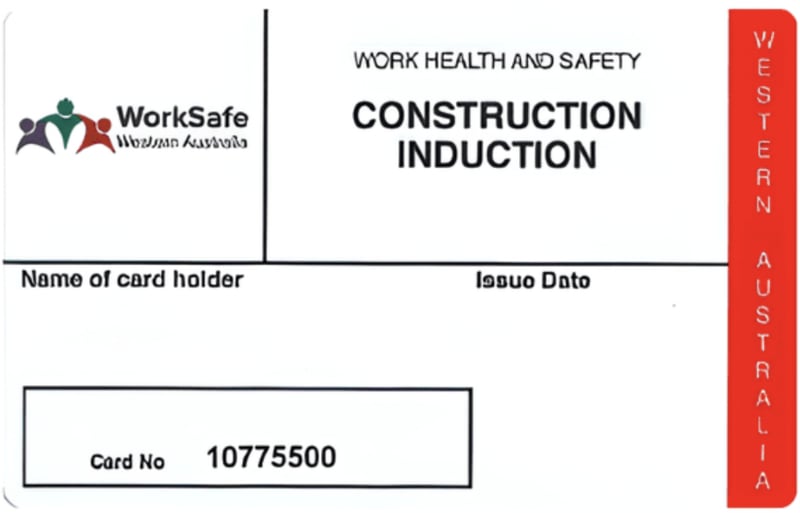
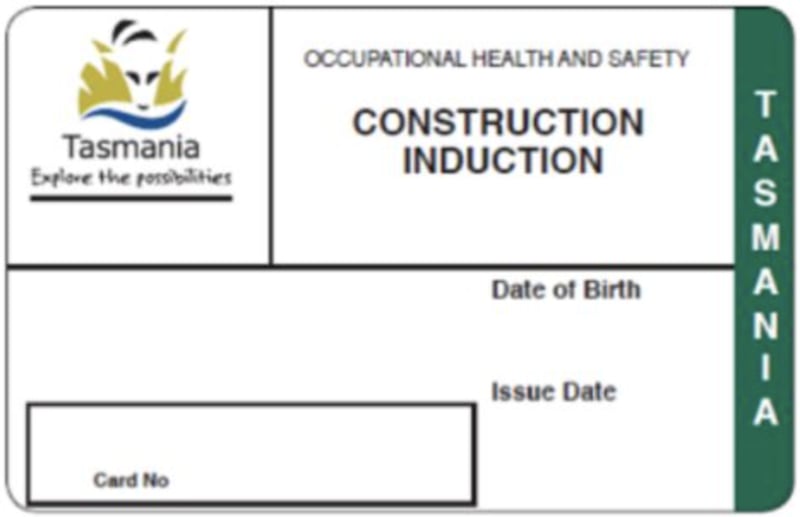


White Card for FIFO Jobs - Overview
Why FIFO Jobs Require a White Card?
Many people assume that mining jobs only require mining-specific training, but construction safety training is often the first requirement.
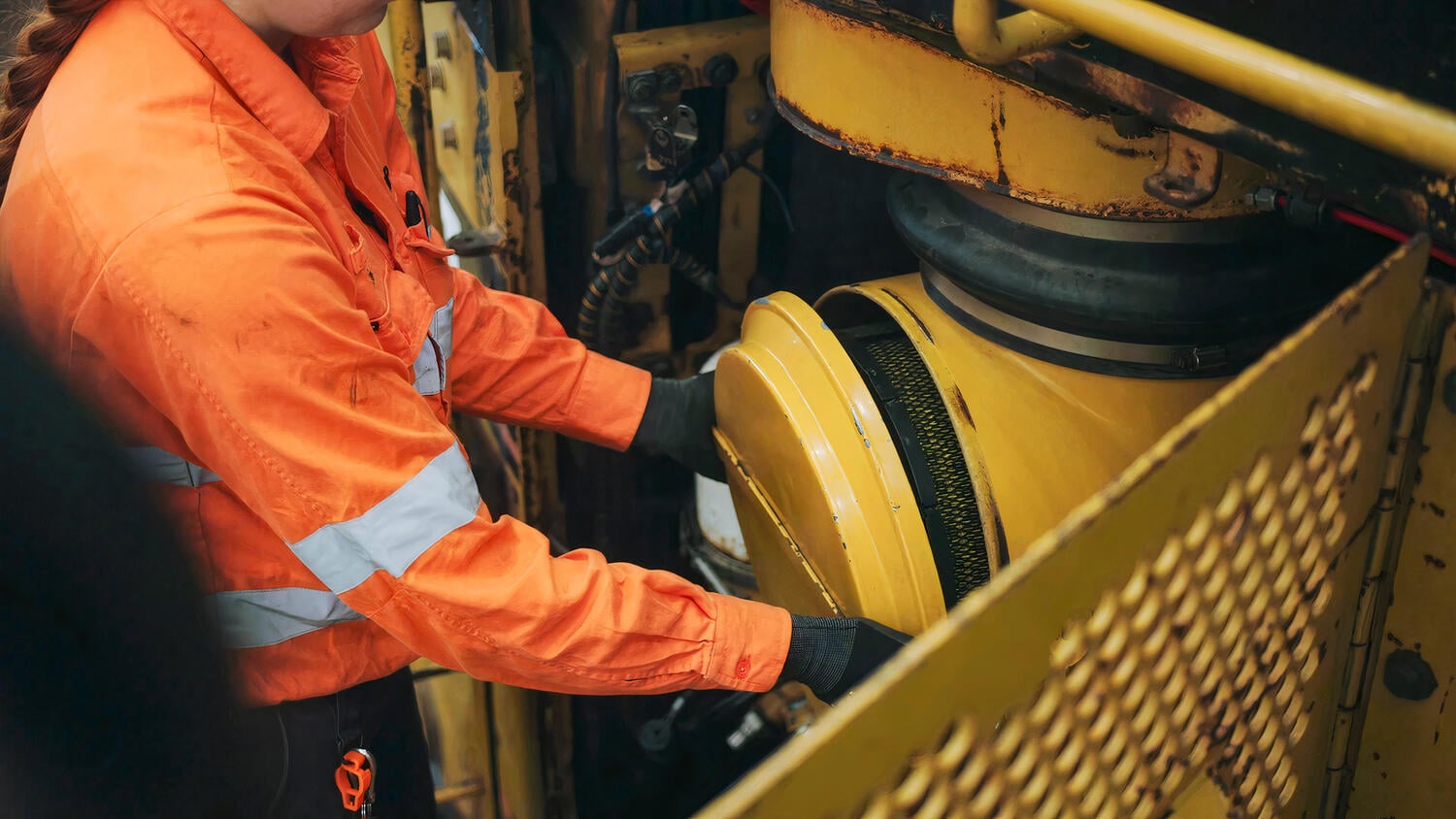
Why? Because mining operations frequently involve ongoing construction and infrastructure development. On any mine site, workers may encounter:
- Earthworks
- Structural construction
- Maintenance projects
- Heavy machinery operations
- Industrial installations
Because of these risks, employers require workers to complete general construction safety training before entering site areas.
This White Card certification ensures workers understand:
- Workplace hazard identification
- Risk management procedures
- Safe work practices
- Personal protective equipment (PPE)
- Emergency response procedures
Without this training, workers may not be allowed to attend site-specific mining inductions or access operational areas.
Read more here: White Card for Mining Jobs – Complete Guide
FIFO Jobs that Require a White Card
FIFO sites are busy, high-pressure environments. Whether you’re working on an oil and gas project, a large construction development, or a resources operation, these are complex workplaces where heavy machinery, hazardous activities, and tight deadlines all come together.
Every worker needs to understand the risks and know how to manage them. That’s why a wide range of FIFO roles require a White Card, covering both trade and non-trade positions.
Here’s a look at which jobs typically need one before you start.

Trades and Technical Roles
Trade and technical workers are the backbone of most FIFO projects, keeping machinery, facilities, and infrastructure running. Common roles include:
- Electricians
- Boilermakers
- Fitters and mechanics
- Diesel technicians
Construction and Maintenance Workers
Large-scale FIFO projects are constantly moving. New structures go up, existing ones get upgraded, and something always needs repairing. Construction and maintenance work is a constant on most sites, which means a White Card is almost always a requirement for access.
Roles that typically need one include:
- Civil construction workers
- Scaffolders
- Pipefitters
- Steel fixers
Operational and Support Staff
Even if your role doesn’t involve hands-on construction work, you’ll still likely need a White Card. Support workers regularly move through active zones where machinery is operating and construction is happening. A White Card makes sure you know the basic safety procedures and site rules before you set foot in those areas.
Support roles that commonly require one include:
- Utility workers
- Delivery drivers
- Maintenance assistants
- Safety officers
How to Get a White Card in Australia
For many workers entering mining for the first time, completing a White Card training course is the minimum step toward employment.
The process of acquiring a White Card in Australia is straightforward, taking as little as a day to complete the training.
Step 1: Enrol in a White Card course
First, you must complete the nationally recognised course: CPCWHS1001 – Prepare to Work Safely in the Construction Industry.
Recognised courses are available through approved training providers, such as National White Card Courses and may be delivered:
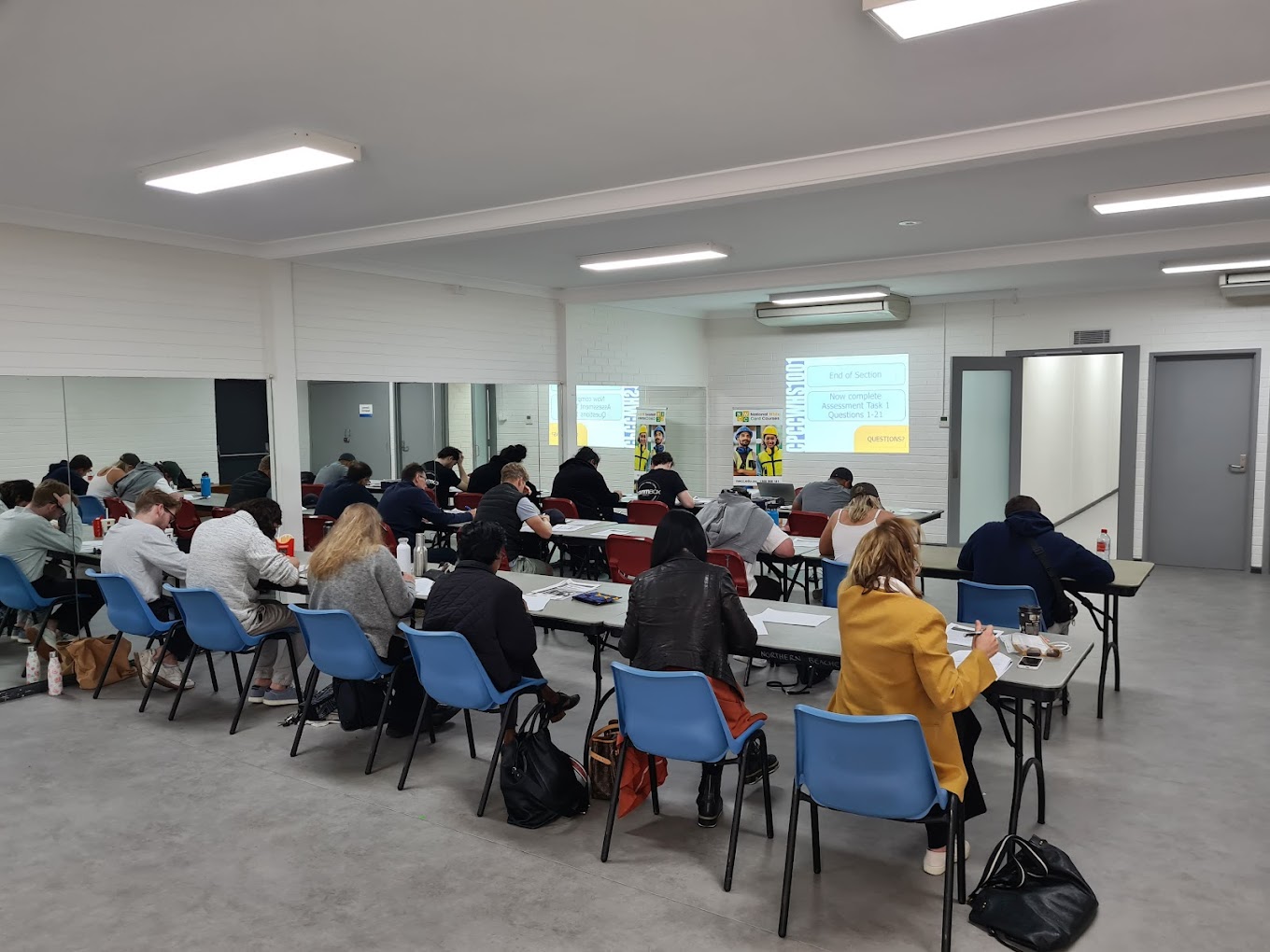
- Face-to-face
- Online with live assessment (depending on state regulations)
Step 2: Complete the Training
White Card courses can be completed in as little as a day and typically take six to eight hours to complete, which is very convenient when starting out in civil construction.
Training covers key safety topics including:
- Workplace hazards
- Risk control measures
- Personal protective equipment
- Safety legislation
- Emergency procedures
You can learn more about what’s involved in the course in our handy White Card Learning Guide.
Step 3: Pass the Assessment
Participants must demonstrate an understanding of workplace safety through a short assessment.
We’ve got some great tips and a cheat sheet on how to pass the test. Once that assessment is completed, you will receive:
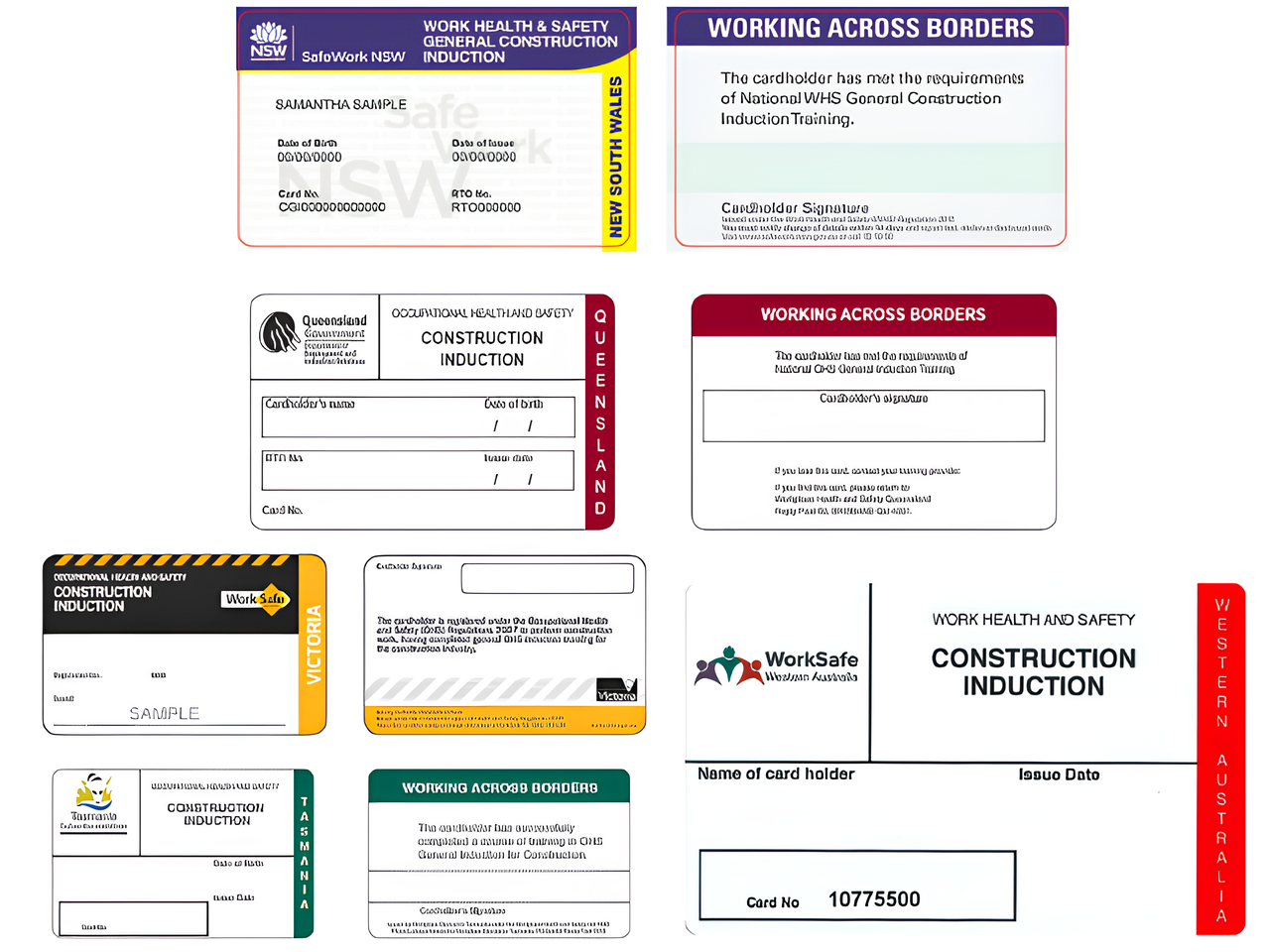
- A Statement of Attainment
- Your official White Card
Additional Tickets Needed for FIFO Jobs
While a White Card is essential, many employers also require additional safety certifications and specific licences.
Common tickets include:
Completing these certifications alongside a White Card course can significantly improve your chances of securing a FIFO role.

Why FIFO Mining Jobs are so Popular
With approximately 100,000 people employed in FIFO jobs around the country, FIFO work has become one of the most attractive employment options in Australia’s resource sector.
And much of the appeal comes down to the fact it’s a work arrangement that offers employees the chance to earn high salaries while maintaining a home base in a major city or regional area.
High salaries
Mining jobs offer significantly higher pay than many other industries.
The average mining salary in Australia is currently between $105,000 and $125,000, according to Seek, with skilled positions and experienced personnel commanding annual salaries above $150,000.
There may also be annual bonuses on top of the annual salary while FIFO positions often include extras such as food, accommodation, gym access and transport while you are on site.
Flexible work schedules
FIFO rosters allow workers to take extended breaks between shifts.
For example, a two-week-on / two-week-off roster means workers may spend roughly half the year at home.
Career progression
Workers who begin in entry-level roles can progress into specialised positions such as:
- Equipment operators
- Site supervisors
- Safety officers
- Project managers
Completing a White Card training course is often the first step in this career pathway.
Frequently Asked Questions
Do you need a White Card for FIFO jobs?
Yes, in most cases. Many companies require workers to hold a White Card before they can access operational or construction areas.
Can you get a FIFO job without a White Card?
Some roles may not require one, but most employers expect applicants to already have a White Card before hiring.
How long does it take to get a White Card?
Most courses take between six and eight hours and can be completed in a single day.
Is a White Card valid across Australia?
Yes. White Cards are nationally recognised, allowing workers to move between construction and mining projects in different states.
Where can you get a White Card?
You can obtain your certification through an approved training provider such as National White Card Courses.
Conclusion
Enrol in a Legitimate White Card Course