10 FIFO Jobs in Australia With No Experience: How Beginners are Getting Hired

Published: July 25, 2025 Updated: March 25, 2026
Read time: 10 minutes

Share

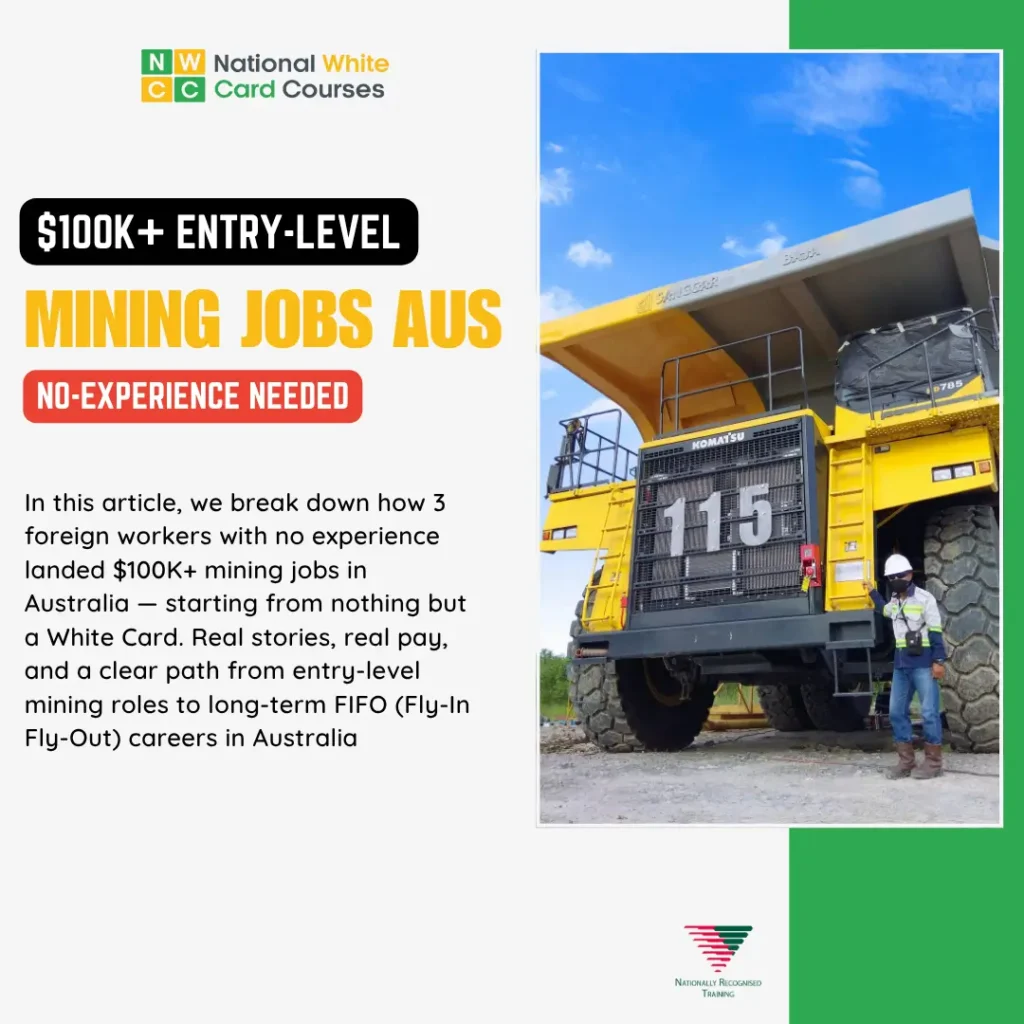
$100K+ no-experience mining jobs promo with huge Komatsu truck.

Key Takeaways

  • You can get FIFO jobs in Australia with no experience. Many mining and construction roles are open to beginners who are willing to complete the required safety training.
  • The White Card is the first step. This safety certification is required before you can work on most construction, mining, or civil worksites in Australia.
  • Additional short courses can improve your chances. Certifications like First Aid, Working at Heights, Confined Space Entry, or an HR licence can help you stand out when applying for FIFO jobs.
  • Entry-level FIFO roles can pay $75,000-$140,000 per year. Many jobs also include flights, accommodation, and meals, making FIFO work one of the most financially rewarding options for beginners.

You’ve probably heard the stories…backpackers making six figures in the mines, travellers picking up entry-level roles that pay more in two weeks than they earned in months back home.

For many people searching for FIFO jobs in Australia with no experience, those stories sound exaggerated, or like something that only happens if you know the right people.

But across Australia’s mining and construction industries, these situations are far more common than most people realise.

Thousands of workers arrive every year with no mining background, no trade qualification, and no industry connections. Instead, they follow a simple pathway that allows them to legally work on site and apply for entry-level FIFO roles.

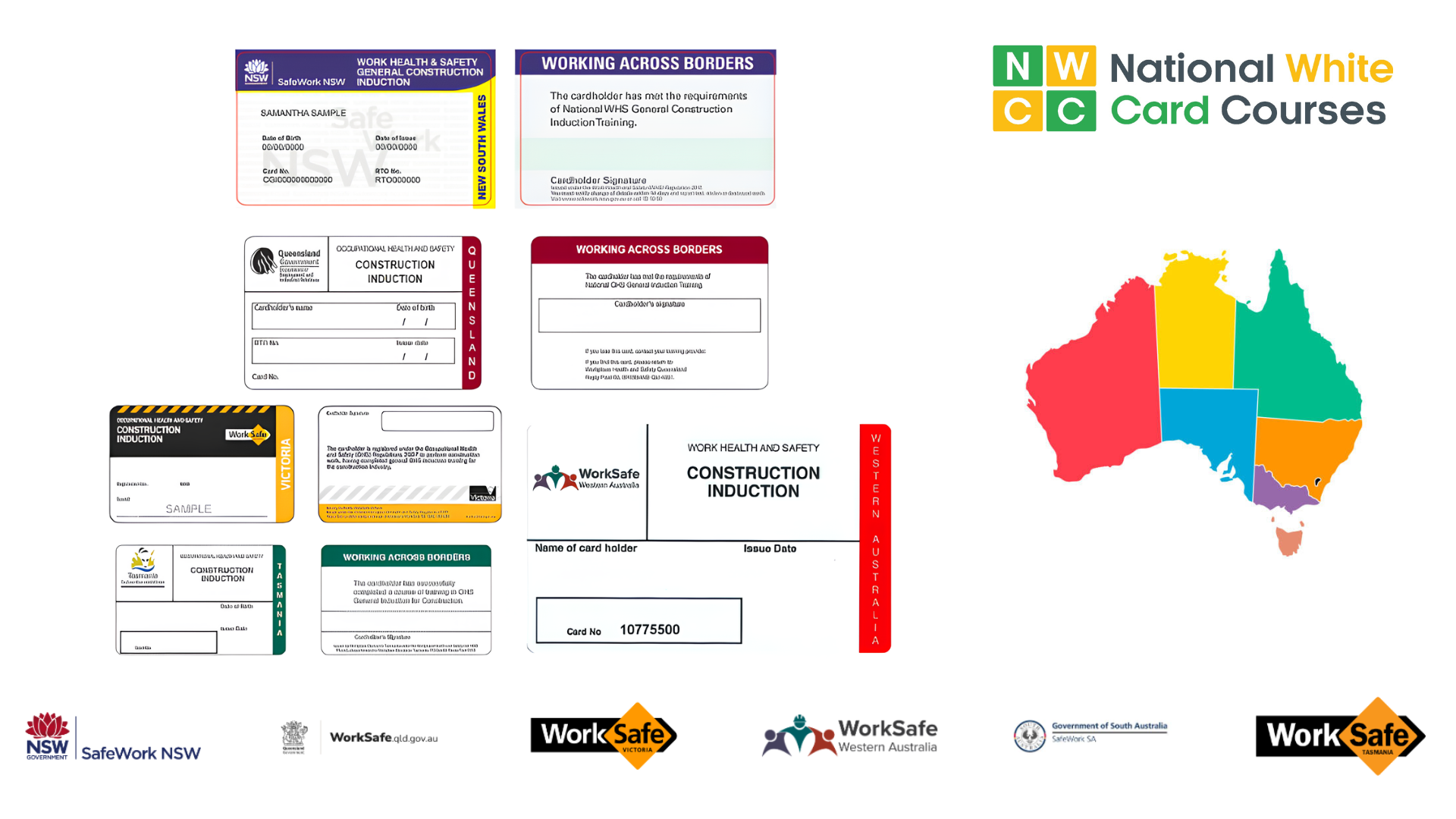
And almost every one of those pathways starts the same way: getting a  White Card.

Select Your State

You must complete your White Card course in the state where you live. Please select the state you live in below.

Why FIFO Jobs in Australia Don’t Always Require Experience
When people imagine mining or FIFO work, they often picture highly skilled tradespeople or engineers with years of industry experience.

But a large portion of the mining and construction workforce actually starts in entry-level support roles that don’t require previous mining experience. These jobs exist because large projects require hundreds, sometimes thousands, of workers performing different tasks on site.

Some roles involve operating specialised machinery or technical equipment. Others focus on assisting tradespeople, transporting materials, maintaining equipment, or supporting daily operations across the worksite.

That’s why many people entering FIFO jobs in Australia with no experience begin in positions such as:

  • Trade assistant
  • Driller’s offsider
  • Mine site utility worker
  • Field technician assistant
  • Entry-level haul truck trainee

These roles are designed to be trained on the job. Employers expect new workers to arrive without mining experience, but they do expect them to arrive site-ready.

And that’s where the first requirement comes in. Before anyone can step onto a construction or mining site in Australia, they must complete the industry’s basic safety training.

That training is known as the White Card.

GET YOUR WHITE CARD


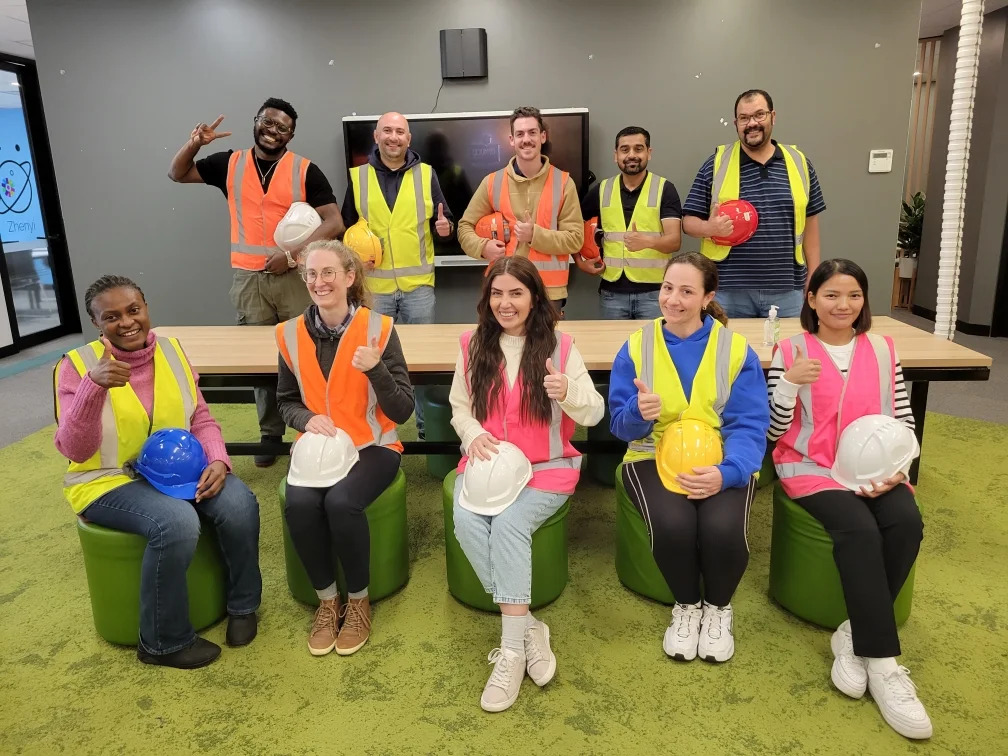
Group of students wearing high-vis vests and holding hard hats after completing White Card training in a classroom.

10 FIFO Jobs in Australia that Don’t Require Experience

Many people assume you need years of mining experience or a trade qualification to work on a mine site. In reality, large mining operations rely on hundreds of support workers in entry-level roles that can be learned on the job.

These roles often involve assisting skilled workers, maintaining equipment, or supporting daily site operations. Here are some of the most common mining jobs people land with little or no previous experience.

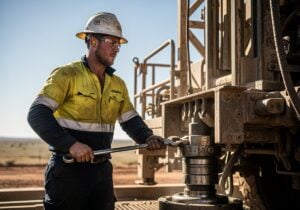
1. Driller’s Offsider

A driller’s offsider assists the drilling crew responsible for extracting core samples from the ground during exploration projects. The role involves preparing drilling equipment, handling rods and tools, mixing drilling fluids, and maintaining the work area.

It’s physically demanding but highly sought after because many companies are willing to train beginners. Driller’s offsiders often work long shifts on remote sites, but the role can pay well over $100,000 per year and provides a strong pathway into other mining careers.

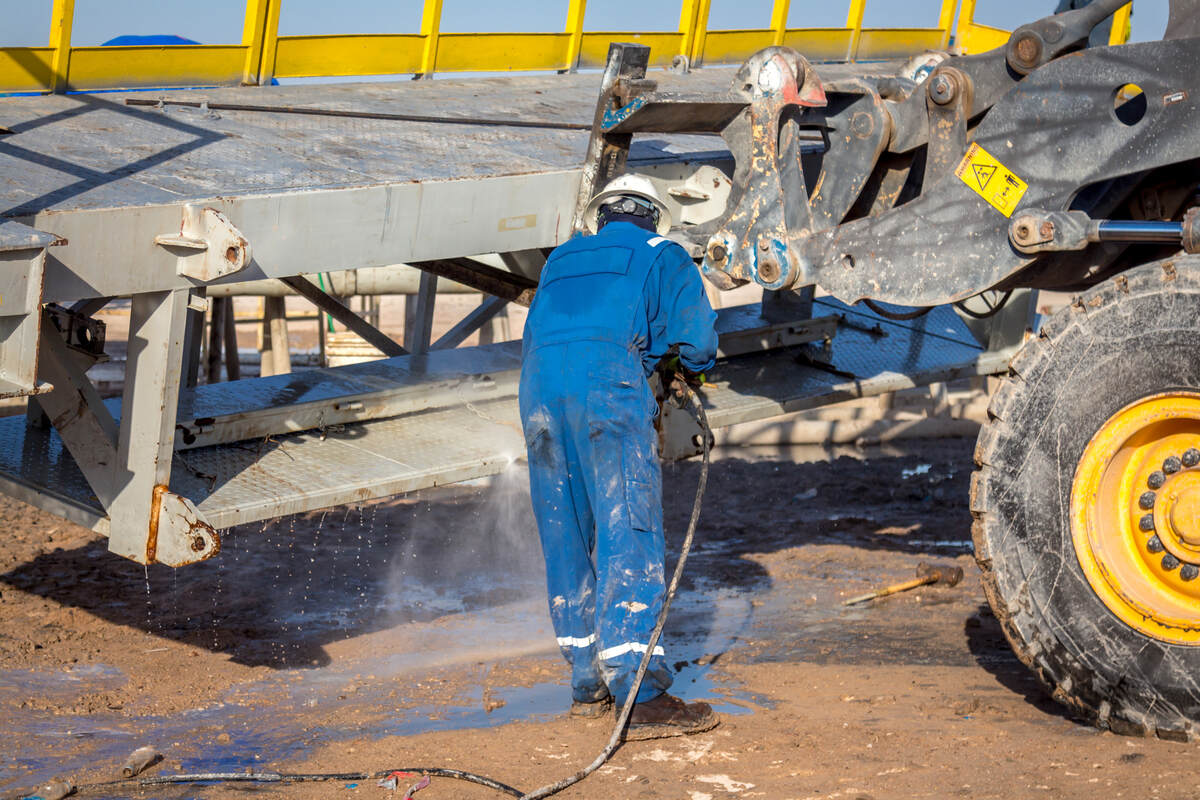
Driller’s Offsider at work

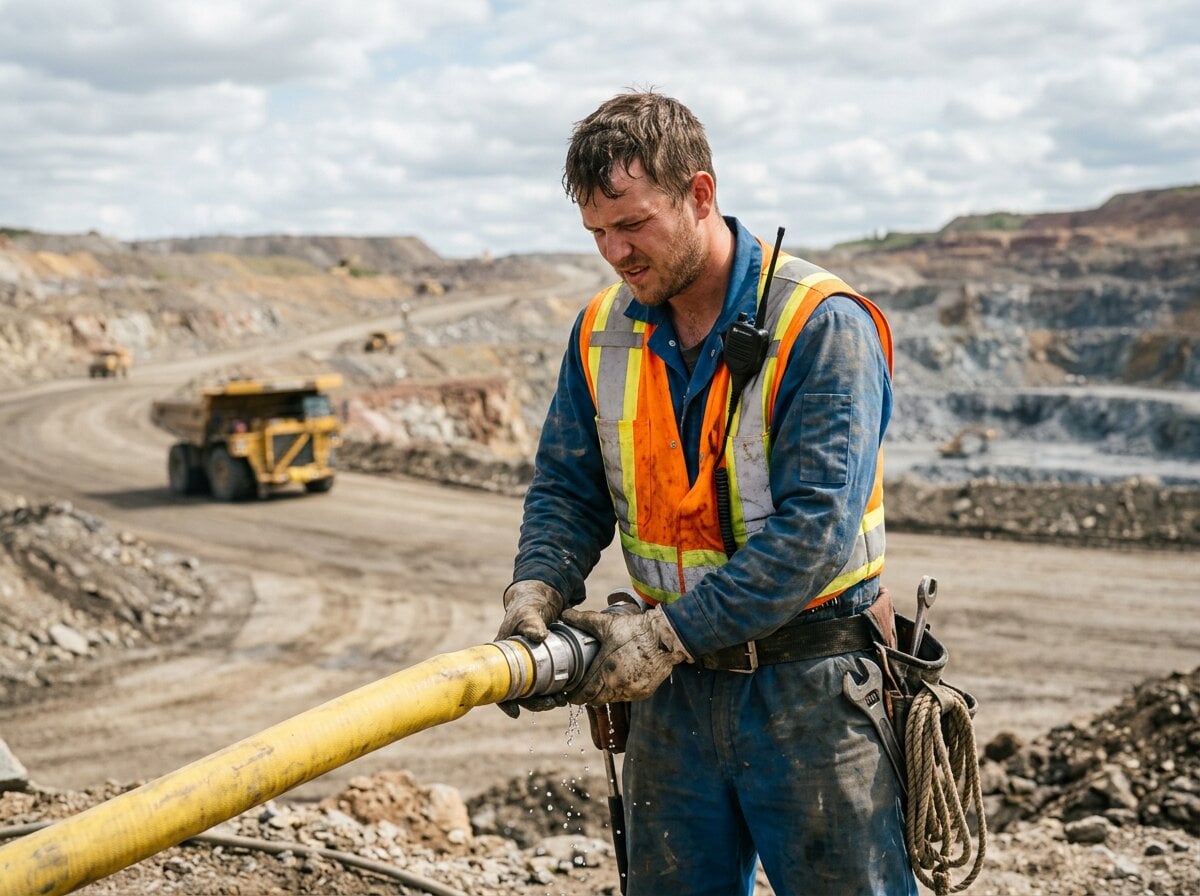
2. Mine Site Utility Worker

Utility workers keep the day-to-day operations of a mine site running smoothly. These workers often handle tasks like cleaning accommodation facilities, assisting in kitchens, maintaining communal areas, and supporting camp operations.

While the work isn’t directly involved in mining production, it’s an essential part of FIFO operations. Utility roles are one of the most common entry points for people with no mining experience, especially backpackers or travellers looking to break into the FIFO industry.

This role covers a bit of everything, general maintenance, cleaning, assisting other crews, and keeping the site running smoothly. No two days are exactly the same, which suits people who don’t like being stuck doing one thing. Average salary is anywhere between $68,000  and $85,000/year.

Site Utility Worker

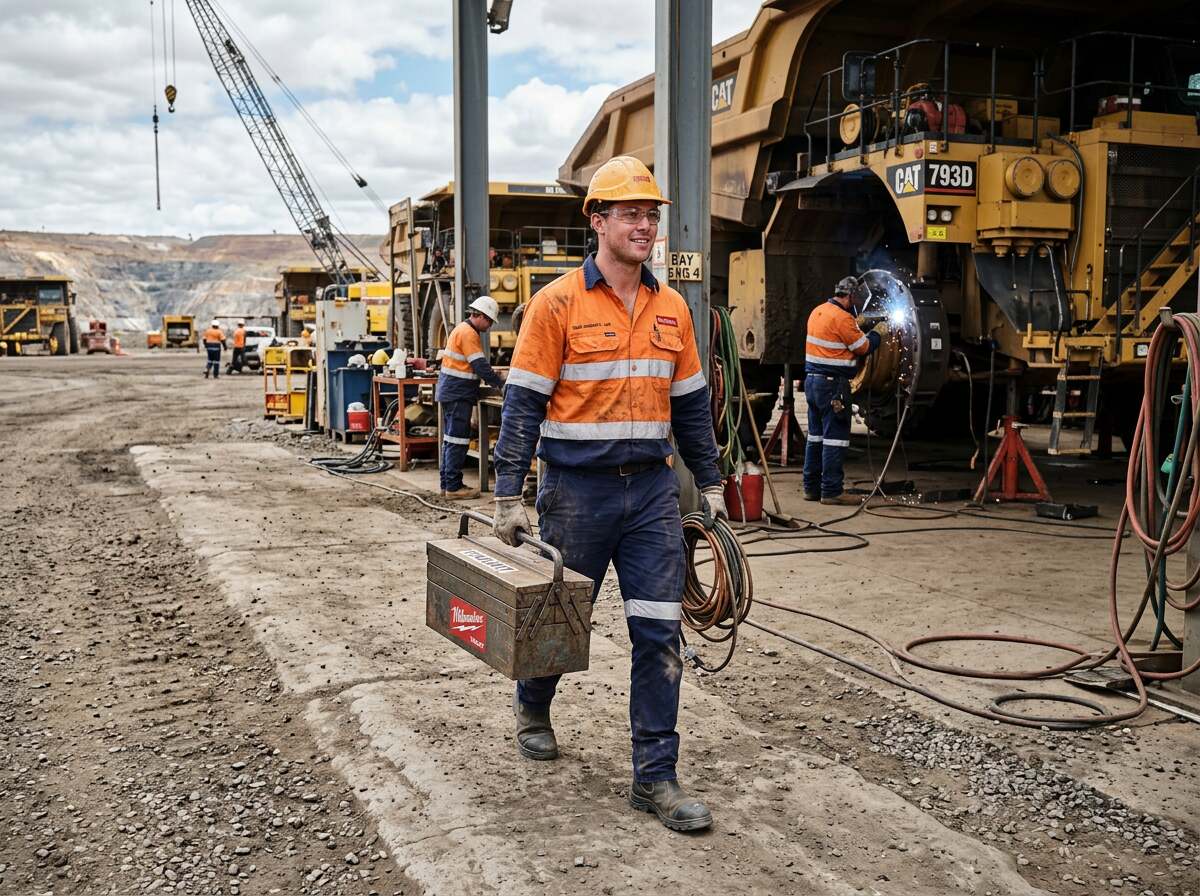
3. Trade Assistant

Trade assistants support skilled workers such as mechanics, electricians, and boilermakers on mining and construction sites. The role can involve transporting tools, preparing materials, cleaning work areas, and assisting with equipment maintenance.

It’s an excellent way to gain hands-on experience in the industry while learning from experienced tradespeople. Many workers who start as trade assistants eventually move into apprenticeships or specialised maintenance roles within the mining sector.

Expect to earn around $75,000 to $90,000 a year on a FIFO roster.

Trade Assistant realistic at work

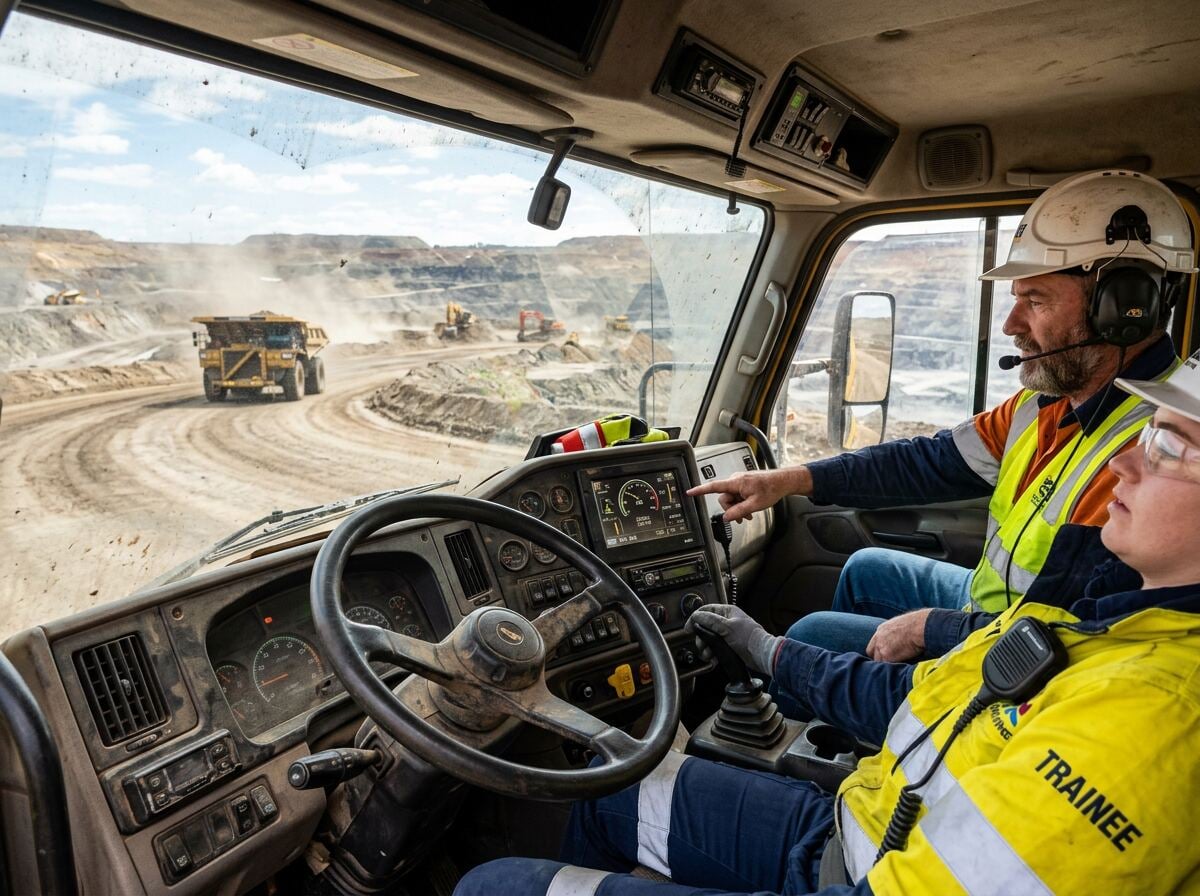
4. Haul Truck Trainee

Haul truck operators drive the massive dump trucks used to transport ore, rock, and waste materials across a mine site. Some mining companies offer trainee programs that allow beginners to learn how to operate these machines safely.

The trucks used in mining can be among the largest vehicles in the world, so training is essential. Once qualified, haul truck operators can earn well over $100,000 per year and gain valuable experience operating heavy machinery.

Truck Trainee realistic at work

5. Field Technician Assistant

Field technician assistants work alongside geologists and exploration teams who study rock formations and mineral deposits.

The job can involve collecting samples, preparing equipment, marking drill locations, and recording field data. It’s a role that combines physical outdoor work with basic technical tasks, making it ideal for people interested in the exploration side of mining. Many workers who begin in this role later move into more specialised positions in geological or exploration teams.

Salaries typically fall between $75,000 and $92,000 a year for this position.

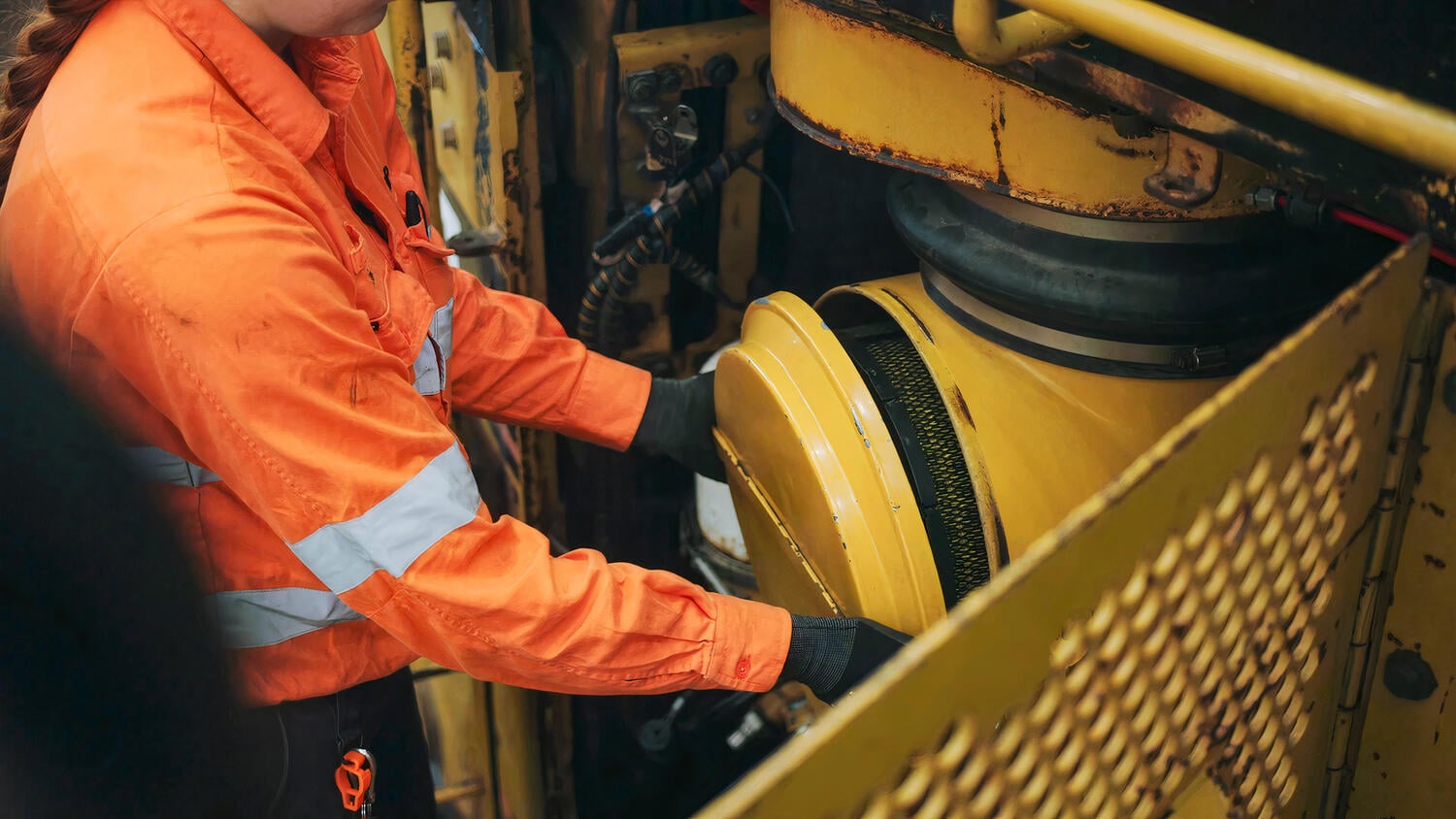
Inspection and maintenance process for heavy machinery for mining and construction

6. Process Plant Operator (Trainee)

Process plant operators help manage the systems that separate valuable minerals from raw ore once it has been extracted from the ground. Trainee positions sometimes allow people with no previous mining experience to enter the role and learn on the job.

Responsibilities can include monitoring equipment, adjusting processing systems, and ensuring the plant operates safely and efficiently. With experience, plant operators can move into senior technical roles and earn highly competitive salaries.

This is one of the better-paying entry-level roles, with salaries ranging from $90,000 to $115,000 a year.

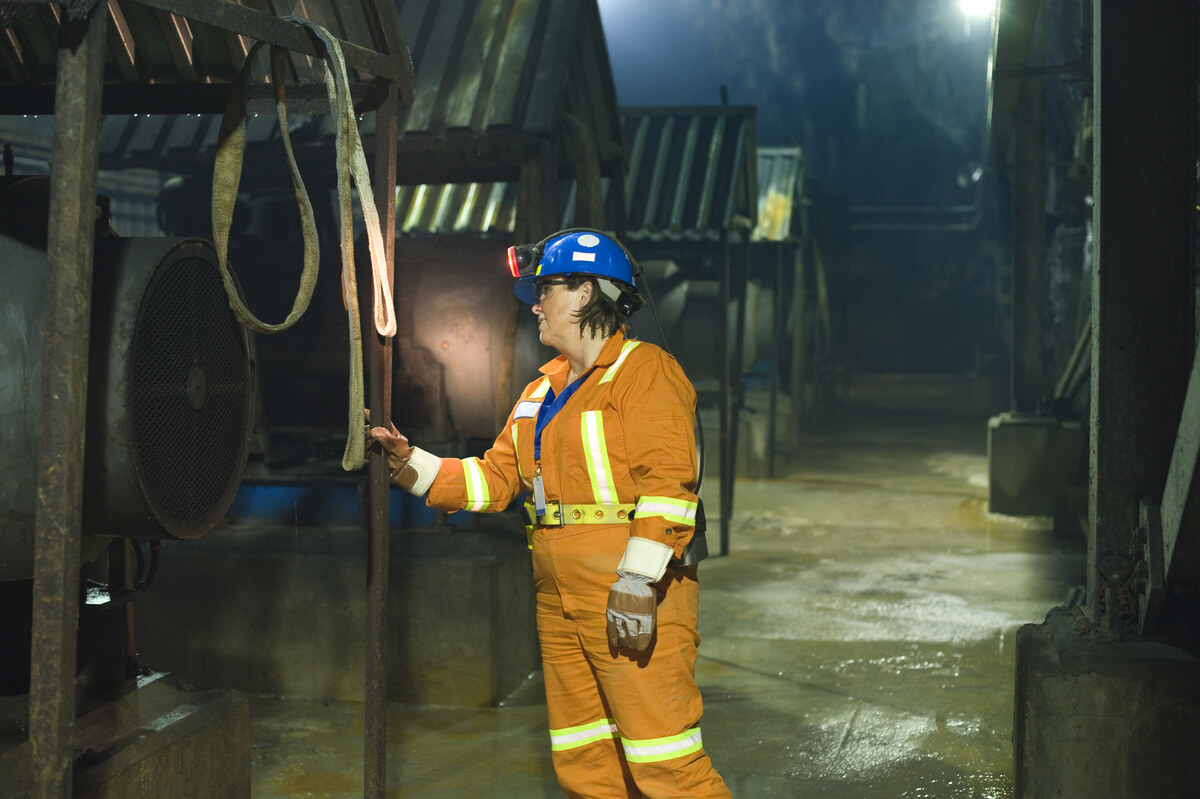
Process Plant Operator

7. Mine Site Cleaner

Mine site cleaners are responsible for maintaining hygiene and safety standards across accommodation camps, offices, and communal facilities. While it may not be the most glamorous role, it’s one of the most accessible entry points into FIFO work.

Many mining camps operate like small remote towns and require full-time cleaning staff to maintain living areas for workers. Once people gain site experience, some move into other operational roles within the mining company.

It pays far better than city cleaning work, with most roles sitting between $65,000 and $80,000 a year.

site cleaner

8. Warehouse or Stores Assistant

Mining operations rely heavily on logistics, spare parts, and equipment supplies. Warehouse assistants help manage inventory, organise tools and materials, and ensure that crews have the equipment they need.

The role can involve operating forklifts, receiving deliveries, and tracking supplies. Many companies provide on-site training, making this a good entry point for workers interested in logistics or supply chain roles within the mining industry.

Most FIFO stores roles pay between $72,000 and $88,000 a year.

Woman in hi-vis gear doing a stock check at a mine site warehouse

9. Sample Preparation Technician

Sample preparation technicians work in laboratories that analyse mineral samples collected from exploration or mining operations. The role involves crushing rock samples, preparing them for testing, and maintaining lab equipment.

It’s often an entry-level position with structured training provided by the employer. While the work is less physically demanding than some other mining roles, it still provides valuable industry experience and can lead to careers in laboratory analysis or geology support.

You can expect to earn between $68,000 and $85,000 a year in this lab-based role.

Two mine site workers reviewing data on a laptop next to an electrical control panel

10. Site Labourer

Site labourers perform a wide range of general tasks across construction and mining projects. This can include moving materials, assisting tradespeople, setting up equipment, and helping maintain safe working areas.

Because labouring roles vary depending on the project, employers often hire workers with little or no experience and train them on site. For many people, labouring is the first step toward more specialised positions within mining, construction, or civil infrastructure projects.

Even at entry level, most site labourers earn between $65,000 and $80,000 a year.

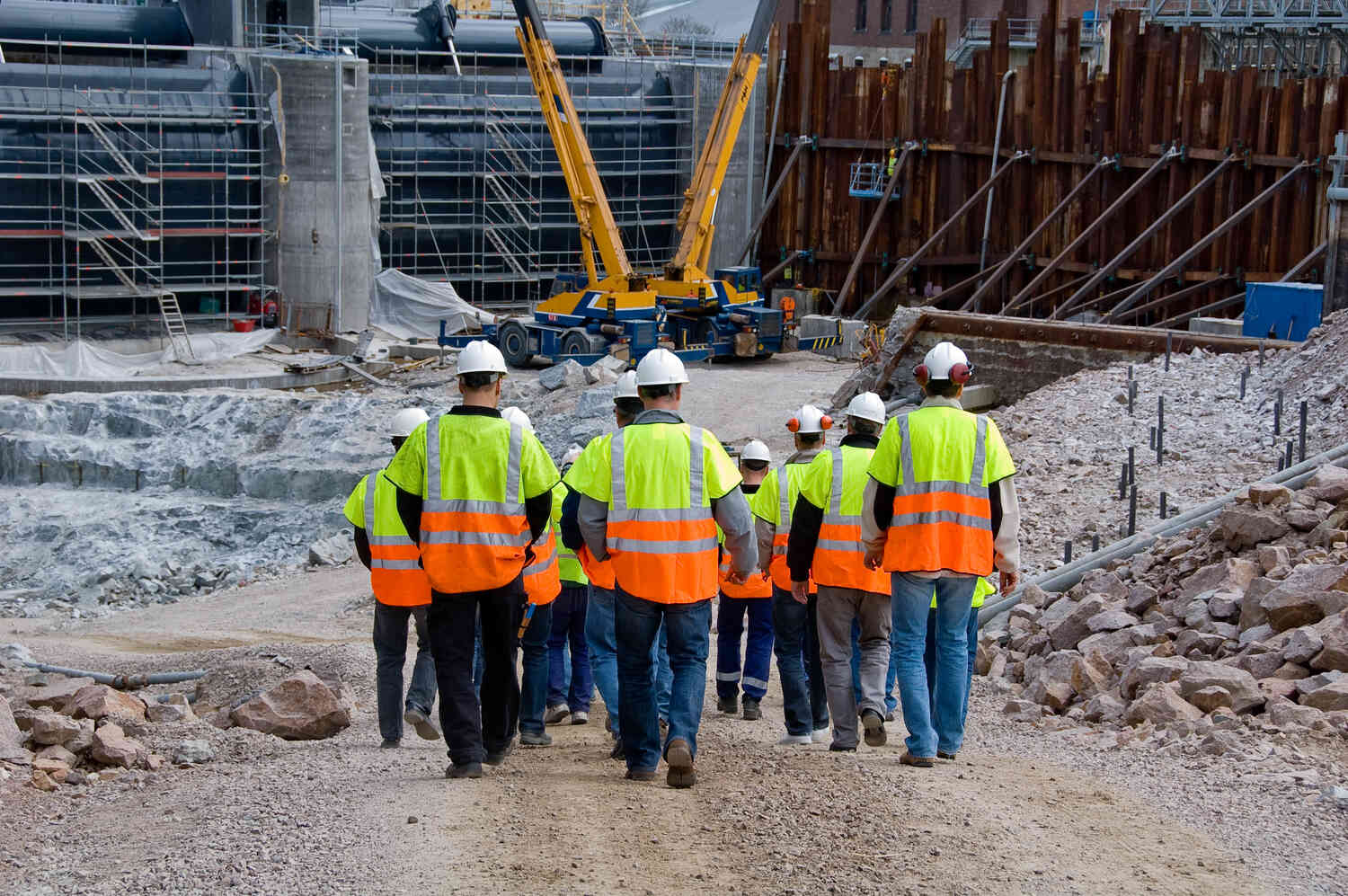
Construction workers in Australia at a construction site.

What’s a White Card and Why Is It Required?

If you’re thinking about working in construction, mining, or civil works, the White Card is your non-negotiable starting point.

And it’s not just mandatory for tradespeople. A White Card is a required certificate regardless of whether you’re a traffic controller, site supervisor or labourer. 

So, what is it? The White Card is your proof that you’ve completed construction induction training, which is nationally recognised safety training that covers:

  • Basic site safety procedures
  • How to identify and manage hazards
  • Legal responsibilities as a worker
  • PPE and signage
  • What to do in an emergency

Once you have this certification, you’re allowed to work on sites across every state and territory in Australia.

facts about the White Card Course

How to Get FIFO jobs in Australia With No Experience

Breaking into the mining or construction industry might seem intimidating at first, especially if you’ve never worked on a job site before.

But for most people who land FIFO jobs in Australia with no experience, the pathway is actually quite straightforward. It’s less about your background and more about having the right certifications and applying for the right entry-level roles. Here’s how most new workers get started.

Step 1: Get your White Card

The very first step is completing the CPCWHS1001 – Prepare to Work Safely in the Construction Industry course.

This nationally recognised training is required for anyone entering a construction, mining, or civil work site in Australia. Without it, employers cannot legally allow you to work on site.

Once you complete the course, you’ll receive an interim certificate that allows you to begin applying for jobs immediately.

Book Now
 

Step 2: Add One or Two Job-ready Tickets

While some entry-level roles only require a White Card, many FIFO workers increase their chances of being hired by adding a few short safety courses.

These courses typically take one day and show employers you’re ready to work safely in high-risk environments.

Step 3: Register with Labour Hire Companies

A large number of FIFO jobs are filled through labour hire and recruitment companies. These agencies supply workers to mining operations and major construction projects across Australia, often hiring people with no previous site experience.

Once you have your White Card and basic tickets, registering with several labour hire agencies can significantly increase your chances of securing your first role.

Step 4: Apply for Entry-level FIFO Roles

Entry-level roles are advertised regularly on job boards such as SEEK and Indeed, as well as through recruitment agencies and mining company career pages.

Common entry-level roles include trade assistant, driller’s offsider, utility worker, and trainee machinery operator.

Step 5: Complete Site Induction and Mobilisation

Once hired, workers typically complete a site induction before travelling to the project. This includes safety briefings, medical checks, and training specific to the site you’ll be working on.

After that, you’re officially part of the FIFO workforce; flying to site, completing your roster, and earning a wage that can often exceed $100,000 per year.
get your white card today

Other Tickets that Help You Get FIFO Jobs Faster

While the White Card is the first requirement for working on most job sites, many workers increase their chances of landing FIFO jobs by completing a few additional safety or equipment certifications.

These short courses are widely recognised across the construction and mining industries and can make your application stand out when employers are choosing between candidates.

Some of the most useful entry-level tickets include:

  • First Aid and CPR Many worksites require at least some workers on shift to hold valid first aid certification.
  • Working at HeightsThis course teaches workers how to safely operate in elevated work environments and is common on construction and maintenance projects.
  • Confined Space EntryRequired for workers entering tanks, tunnels, or restricted work environments on industrial sites.
  • HR (Heavy Rigid) driver’s licence – This licence allows you to operate larger trucks and vehicles, which can open the door to higher-paying site roles.
  • Forklift licenceOften useful in logistics, warehouse, and site supply roles within mining operations.

While not all FIFO roles require these tickets, having one or two can significantly increase your chances of securing your first job.

Frequently Asked Questions

ENROL IN A WHITE CARD COURSE

Get Your Official White Card at a Training Location Near You

When it comes to your safety and workplace credentials, don’t settle for less.

National White Card Courses is an accredited Registered Training Organisation (RTO 41072) providing nationally recognised White Card courses in Australia.

Our White Card training and certification is approved by all relevant government bodies, including SafeWork NSW, WorkSafe QLD, WorkSafe VIC, WorkSafe WA, SafeWork SA, and WorkSafe Tasmania.

We ensure you receive comprehensive, hands-on instruction that online courses simply can’t match.

By choosing National White Card Courses, you’re protecting yourself from the risks associated with online training — like potential scams, unrecognised certifications, and inadequate preparation for real-world scenarios.

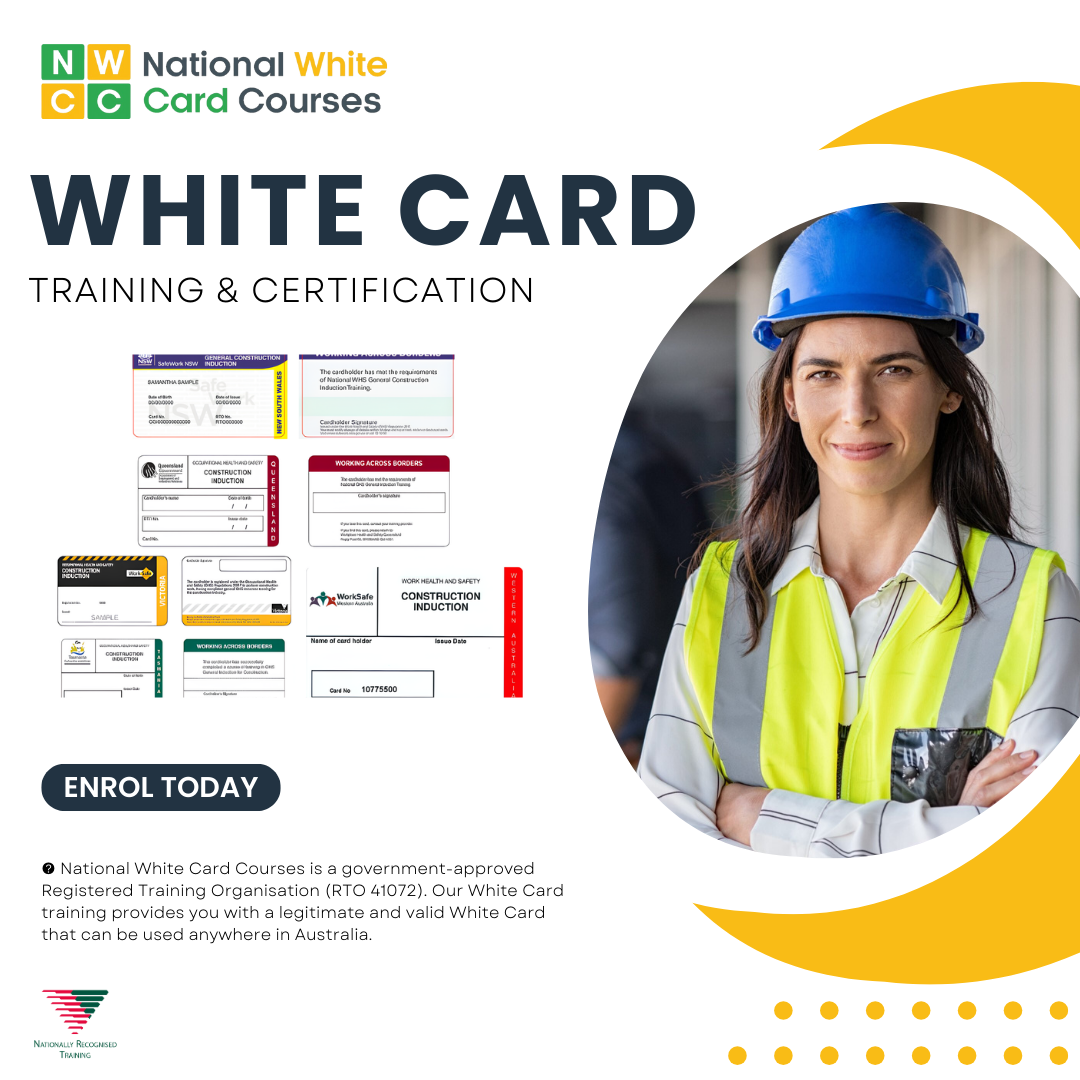
Our White Card training provides you with a legitimate and valid White Card certificate that can be used anywhere in Australia.

Real Stories: From Zero to Six Figures

Hi-vis instructor speaking, worker in massive excavator bucket – Australian mining careers.

The following job titles sound impressive – dump truck driver, field serviceman, geologist assistant. But the people doing these jobs didn’t come from mining backgrounds. They came from hospitality, creative arts, or flat-out unemployment. And every one of them started their FIFO journey the same way: with the right certifications, beginning with a White Card.

Cindy Koopman: From U.S. Nanny to Haul Truck Operator

“Money was quite tight,” Cindy said. “My friend said you need to move to Perth for the mining — you can make so much good money.”

So she did. With no mining experience, Cindy moved to WA and started work as an entry-level geologist assistant — earning $120,000 AUD a year. She got her White Card, completed basic site training, and learned fast.

“I was working alongside drillers learning so much. I had a paint pack on my back spraying out a map the geologists had created for the diggers to know where to dig for gold. It was just so different, and I love a bit of physical work.”

Today, she’s operating 793F haul trucks — with all her flights, food, and accommodation covered — and four months off a year to travel.

Caithilín Hughes: From Irish Videographer to FIFO Dump Truck Driver

Caithilín had a film degree and a few years of videography experience, but no financial stability.

“Like so many others, I packed my bags and moved to Australia,” she told the Derry Journal. “Now I spend my days driving huge machines in the mines of Western Australia, earning in two weeks what would take some people at home nearly two months to earn.”

She spent around $5,000 AUD on essential tickets — including her White Card and HR licence — and got it all back in her first paycheck.

“FIFO mining has become a life-changing option for young Irish, especially Irish women. It’s an industry that doesn’t even exist at home, yet it’s giving people like me the chance to save serious money and come back to Ireland in a much stronger position.”

Cal McIlwaine: From Broke Backpacker to FIFO Serviceman

When Cal arrived in Australia in 2023, he had no job, no savings, and no mining experience.

“I had no experience in mining, I’d never driven a truck or bulldozer. I just knew I wanted to make quick money and travel.”

He borrowed money for training — including his White Card, Working at Heights, CPR, and HR licence — and applied for every job he could find.

“Within a month, I secured a FIFO job.”

Cal now maintains machinery in the Pilbara region, working 12-hour shifts and clearing $5,000+ AUD in some weeks.

“Some weeks I make over $5,000 AUD — that’s about $3,500 USD — and I don’t even work every week. Back home, it would take five weeks to earn that.”

Trainer’s Insight

“People hear these stories and think, ‘Yeah, but that rarely ever happens.’ But I’ve trained plenty of folks just like Cindy, Caithilín and Cal. They showed up unsure, broke, or burnt out — and within weeks they were on-site. They backed themselves and got the right training from day one.”

ENROL IN A WHITE CARD COURSE