In Short
- You can earn a strong income in Australia without a university degree by entering high-demand industries like construction, mining, logistics, and civil works.
- Many of the highest paying entry-level roles require practical licences and tickets rather than formal education, with the White Card often being the first step.
- Jobs such as plant operators, FIFO workers, traffic controllers, and scaffolders can pay $70,000–$120,000+ per year with overtime and allowances.
- Career progression is skill-based, meaning experience, safety compliance, and additional tickets can significantly increase earning potential over time.
Highest Paying Jobs in Australia You Don’t Need a Degree For
Right, let’s get into it. The roles below span construction, trades, logistics, mining, and civil work. Most of them pay well above the national average wage. Some you can walk into with just a White Card and a willingness to work. Others might need a short course or a cert, but nothing close to a four-year degree.
1. Construction Labourer (General Site Worker)
Salary range in Australia: $60,000 – $85,000/year (casual rates approx. $30-$45/hr with penalties)
Construction labourers are the backbone of building sites, assisting trades, moving materials, preparing work areas, and keeping projects running smoothly. It’s physically demanding work, often outdoors and fast-paced.
You’ll need to follow strict safety procedures, and in most cases, a White Card is required before you can even step onto site. Employers value reliability, fitness, and a willingness to learn, and overtime can significantly boost earnings.

2. Traffic Controller
Salary range in Australia: $65,000 – $95,000/year (casual rates approx. $32–$50/hr including penalties)
Traffic controllers manage vehicle and pedestrian flow around roadworks and construction zones. You’ll set up signage, direct traffic, and ensure safety for both workers and the public.
Traffic control requires the applicable road authority’s training and accreditation or authorisation. A White Card covers construction induction only and does not authorise traffic control by itself.

3. FIFO Utility Worker (Mining Camps)
Salary range in Australia: $70,000 – $120,000+/year plus allowances
FIFO (fly-in fly-out) utility workers support mining operations by working in camp maintenance, cleaning, catering, and general site support roles, and a White Card may be required depending on site access and duties.
Some FIFO utility jobs are also available to workers without prior mining experience, making them one of the more accessible entry-level pathways into the resources sector.
4. Civil Construction Worker
Salary range in Australia: $65,000 – $90,000/year
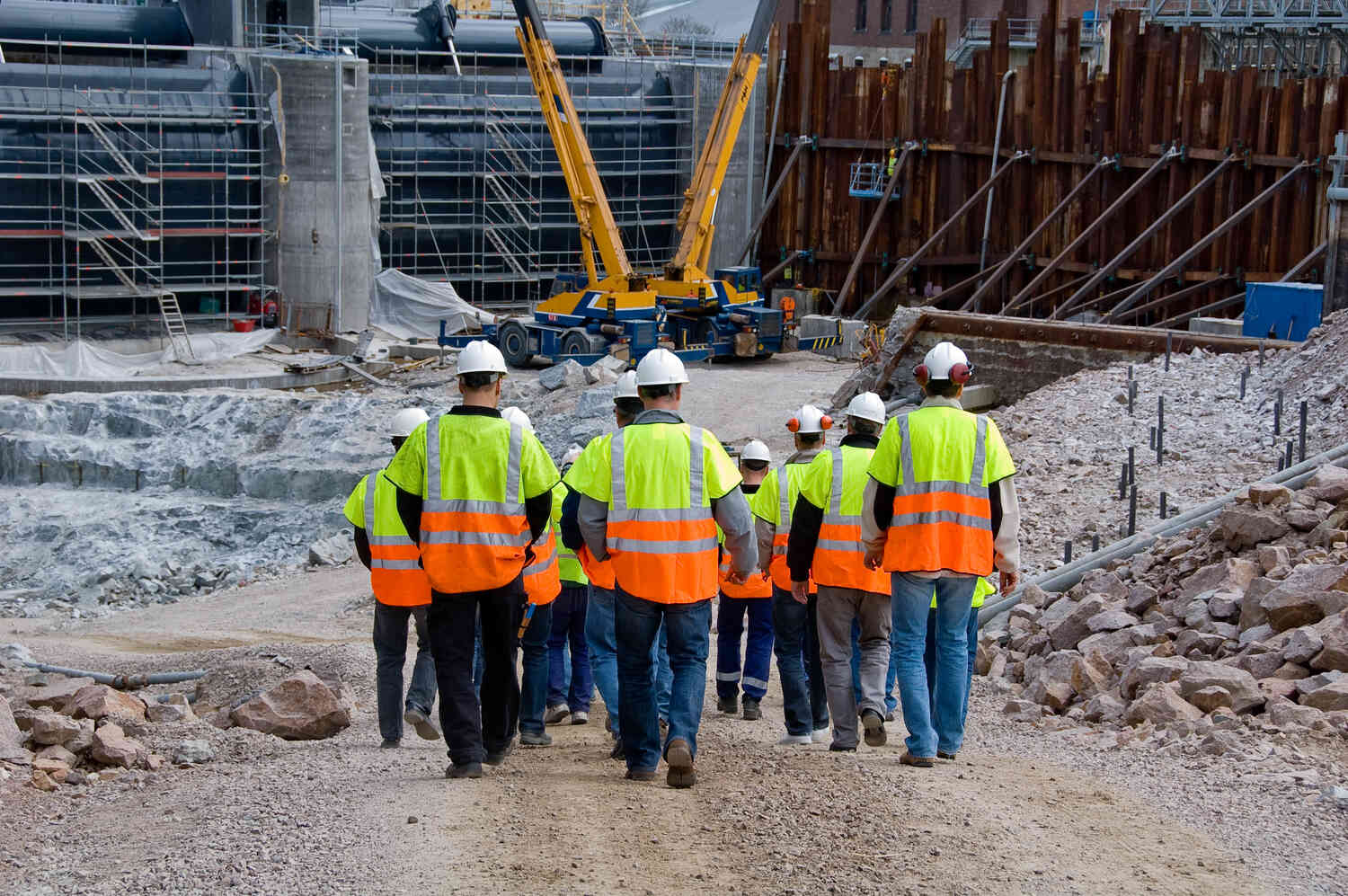
Civil construction workers help build roads, bridges, drainage systems, and large infrastructure projects. Tasks include digging, operating basic machinery, and assisting plant operators.
A White Card is essential for most civil projects. This industry offers strong long-term stability due to ongoing government infrastructure investment.
5. Scaffolder (Entry level)
Salary range in Australia: $70,000 – $110,000/year
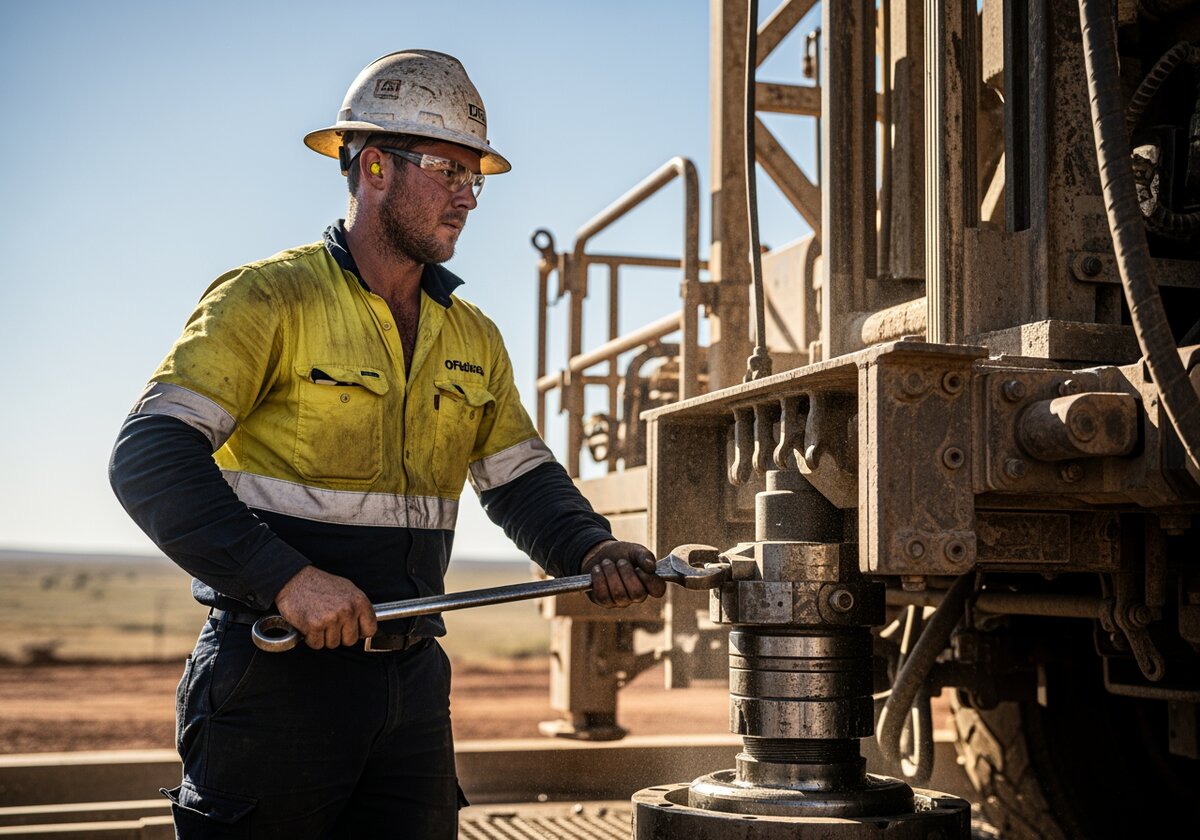
Scaffolders assemble and dismantle temporary structures used on construction sites. Entry-level roles start as labourers assisting qualified scaffolders.
Scaffolding work where a person or object could fall more than four metres requires the appropriate high-risk work licence, subject to lawful training arrangements. General labouring support is different from performing licensed scaffolding work.

6. Forklift Operator
Salary range in Australia: $60,000 – $85,000/year
Forklift operators move goods in warehouses, construction sites, and logistics hubs. You’ll need a forklift licence, but not a degree.
While not always mandatory, a White Card is often required when operating in construction environments or loading materials on site.

7. Warehouse Picker / High-reach operator
Salary range in Australia: $55,000 – $80,000/year
Warehouse workers pick, pack, and organise stock for distribution. High-reach operators use specialised equipment to access tall storage systems.
This role suits people who prefer indoor, structured environments. Pay increases with speed, accuracy, and shift flexibility.

8. Delivery Driver (MR/HR licence)
Salary range in Australia: $60,000 – $95,000/year
Delivery drivers transport goods across cities and regions, often for construction supplies, retail, or logistics companies.
No degree is required, but a clean driving record and relevant truck licence are essential. Some construction deliveries may require White Card compliance when entering sites.
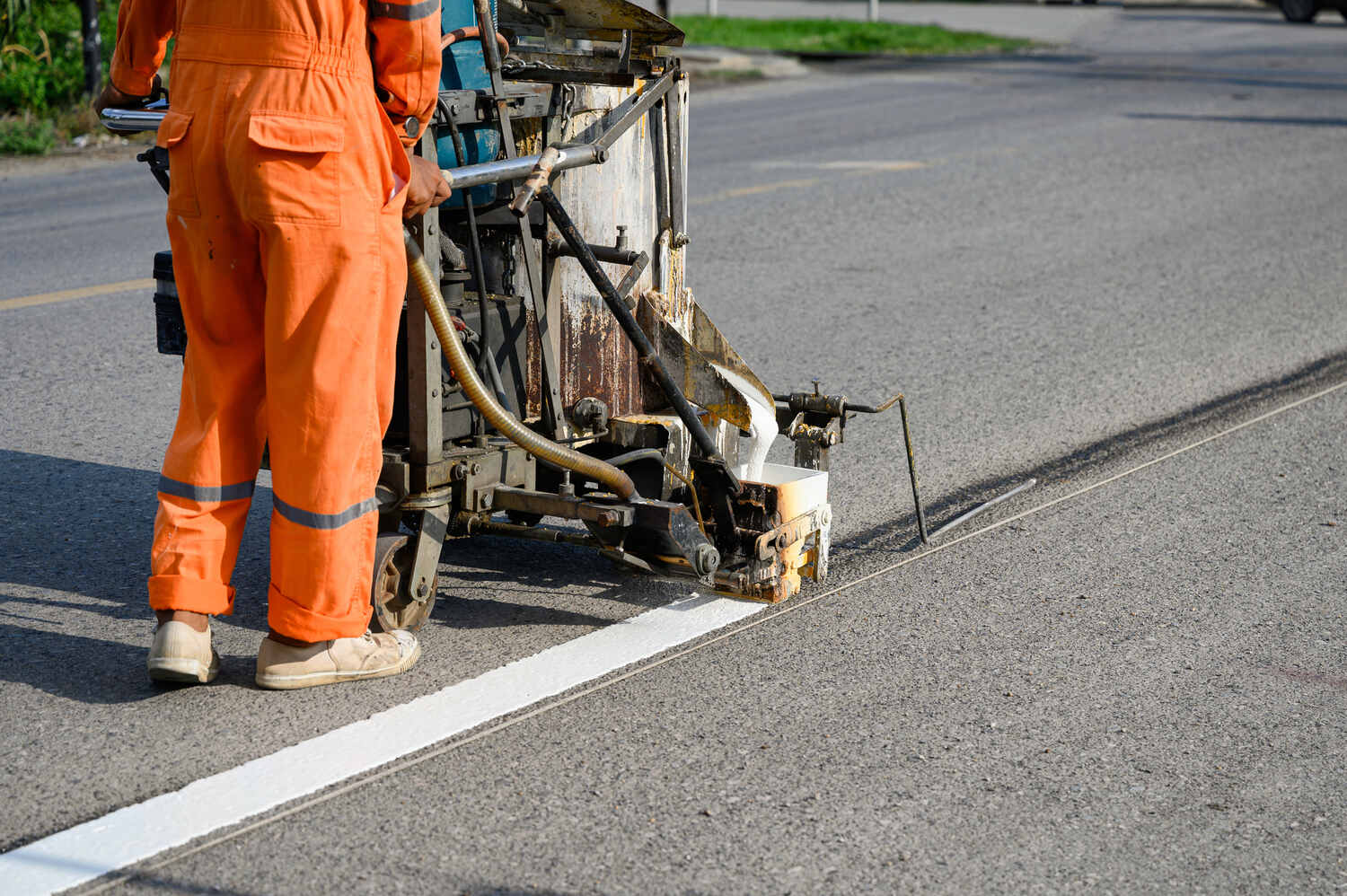
9. Road Construction Worker (Asphalt Crew)
Salary range in Australia: $65,000 – $90,000/year
Road crews lay asphalt, repair roads, and maintain highways. Work is physical and often done at night or in shift rotations.
A White Card is required as work is performed directly on active civil construction sites.
10. Plant Operator (Excavator / Loader / Roller)
Salary range in Australia: $75,000 – $120,000/year
Plant operators run heavy machinery on construction and civil sites. Roles include excavator, bobcat, loader, and roller operators.
Plant operators need demonstrated competence, training and authorisation for the machine. Not all earthmoving plant requires a high-risk work licence. Construction induction and any applicable road or other licence remain separate.
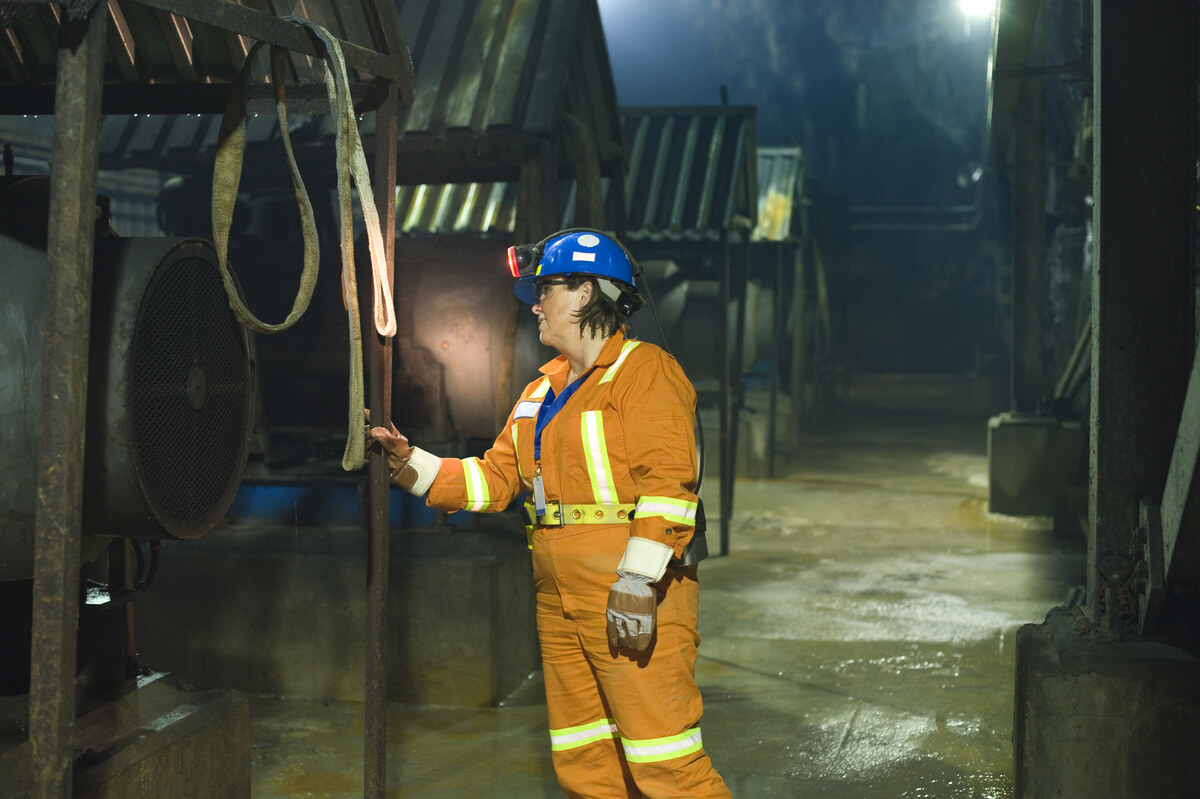
11. Demolition Worker
Salary range in Australia: $70,000 – $110,000/year
Demolition workers tear down structures safely using tools and machinery. It’s high-risk, physically demanding work with strong safety requirements.
A White Card is mandatory due to the hazardous nature of demolition environments.
12. Landscape Construction Worker
Salary range in Australia: $55,000 – $85,000/year
These workers build outdoor spaces such as gardens, retaining walls, pathways, and public parks.
While more creative than traditional construction, many roles still require a White Card when working on larger commercial or civil projects.
13. Event Setup Crew
Salary range in Australia: $55,000 – $80,000/year (casual rates higher with overtime)
Event crew members set up stages, lighting rigs, seating, and temporary structures for concerts, festivals, and exhibitions.
Work is fast-paced and often overnight. A White Card is commonly required for large-scale event infrastructure setups.

14. Film and TV Production Crew (Entry Level)
Salary range in Australia: $60,000 – $100,000/year (varies widely by production)
Entry-level roles include set runner, grip assistant, or production support. You’ll help with equipment, set logistics, and safety compliance on set.
Many production environments require a White Card when sets involve construction-style builds or temporary structures.
15. Hospitality Worker (Supervisor / Licensed Venues)
Salary range in Australia: $55,000 – $75,000/year (plus penalties and tips)
Hospitality roles in licensed venues include bartending, supervising floor staff, and managing service during peak periods.
While not a White Card role, it’s one of the most accessible high-paying industries without a degree. RSA certification is often required when serving alcohol, and penalty rates can significantly increase earnings on weekends and public holidays.

Why These Jobs Pay Well Without a Degree
These roles pay well for a few straightforward reasons. The industries behind them (construction, mining, logistics, civil works, transport) are constantly short on workers. That shortage pushes wages up. Add in the physical demands, shift work, remote locations, and early starts, and employers compensate with higher hourly rates, overtime, penalty rates, and site allowances.
Safety qualifications matter a lot too. Holding a White Card, forklift licence, or traffic management ticket tells employers you can work legally and safely on site, and that alone makes you more hireable than someone who doesn’t.
In these industries, showing up, working safely, and building practical skills will take you further than a degree ever would.
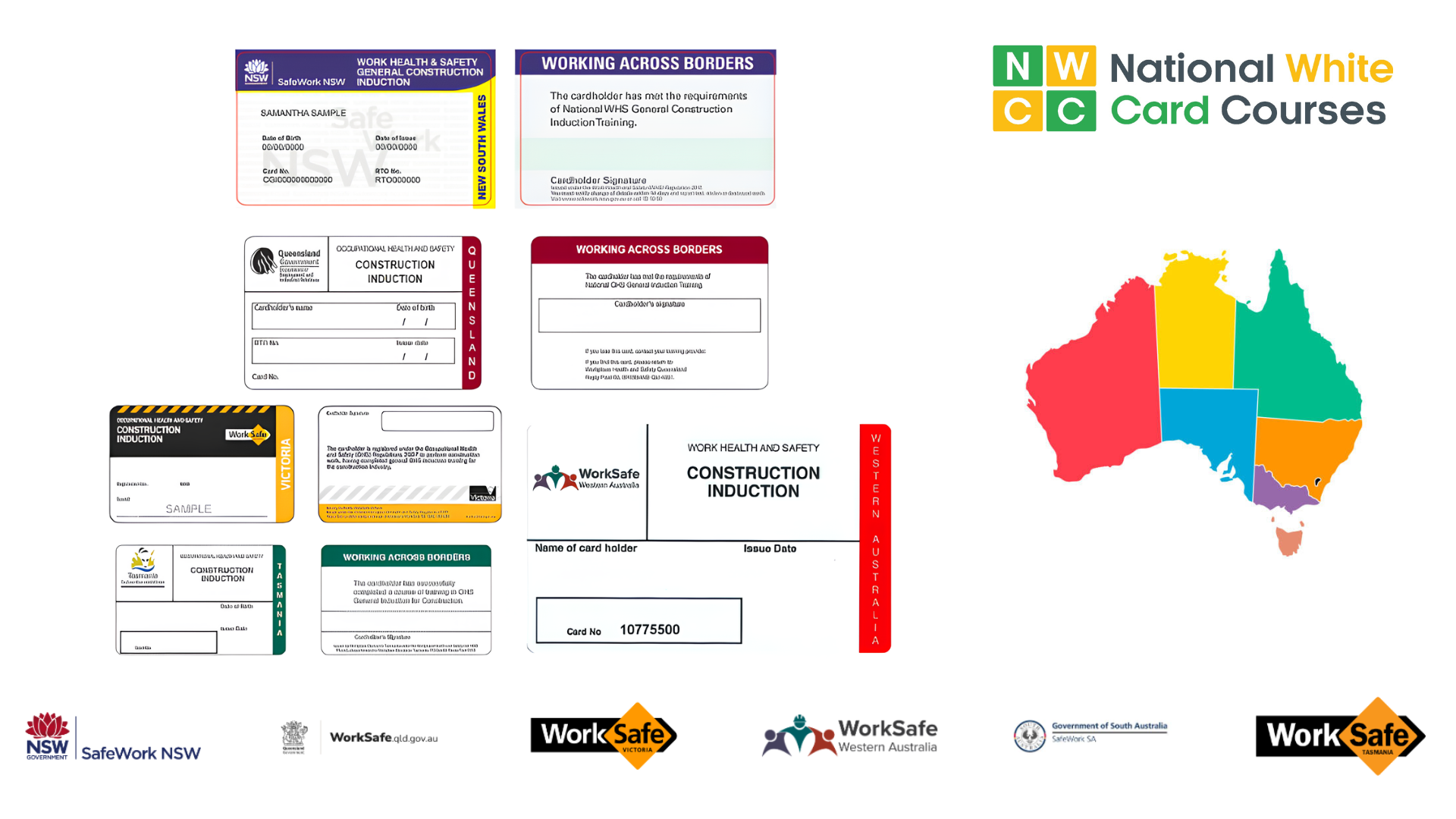
How to Get a White Card in Australia
Getting your White Card is one of the quickest ways to become eligible for construction and site-based work in Australia.
The White Card is a nationally recognised certification that shows you’ve completed general construction induction training and understand basic workplace safety requirements.
To get your White Card, you’ll need to:
- Enrol with a registered training organisation (RTO)
- Complete the CPCWHS1001 – Prepare to Work Safely in the Construction Industry course
- Complete knowledge, communication and observed practical PPE assessment.
- Receive your White Card certification
Depending on your state or territory, training may be completed face-to-face or through live online delivery with a trainer.
Current, valid White Cards are generally recognised interstate. A two-year break from construction can invalidate a card or require retraining. Site induction, work rights and task licences remain separate.
For many workers, especially school leavers, backpackers, and people changing careers, it’s one of the fastest and most affordable ways to access higher-paying work without needing a university degree.
Frequently Asked Questions
Can you earn good money in Australia without university?
Yes. Many Australians build successful careers without attending university, particularly in trades, construction, mining, logistics, transport, and infrastructure industries. Practical experience, licences, and safety certifications are often more valuable to employers than a university qualification.
What jobs pay over $100K without a degree in Australia?
Several jobs can exceed $100,000 per year without a degree, especially with overtime or remote work allowances. Examples include experienced plant operators, scaffolders, FIFO workers, traffic management supervisors, and some mining support roles.
Do you need a White Card for construction jobs in Australia?
Yes. A White Card is legally required for anyone carrying out construction work on an active construction site in Australia. Employers generally will not allow workers onto site without valid White Card certification.
Can backpackers work construction jobs in Australia?
Yes, where their visa permits the work and they meet the role’s requirements. Check current Home Affairs and VEVO conditions, including any same-employer restriction. Construction duties require a White Card, and traffic control or licensed equipment requires separate credentials.
Are FIFO jobs available without experience?
Some FIFO support and utility roles are available to workers without prior experience, particularly in cleaning, kitchen support, housekeeping, and general site services. Having a White Card and additional tickets can improve your chances of securing FIFO work.
What other tickets or licences can increase your pay?
Additional certifications that can improve your earning potential include:
- Forklift licence
- Working at Heights
- Confined Space Entry
- Traffic Control tickets
- Excavator or machinery tickets
- First Aid certification
- Elevated Work Platform (EWP) licence
These qualifications can make you more employable and open the door to higher-paying site roles.
Enrol in a Construction White Card Course Near You