

In Short
- CPCWHS1001 is introductory construction safety training. A White Card is required for construction work and relevant construction-zone access.
- You learn about hazards, risk controls, safety duties, communication, emergency procedures and PPE.
- Assessment includes knowledge questions and observed practical tasks, including correctly fitting the required PPE.
- Course duration and approved delivery vary by state and territory. Check identity, age, location and USI requirements before booking.
- Card issue, temporary evidence and work-history currency rules vary. A White Card does not replace site induction, task training, licences or work rights.
Book your White Card with National White Card Courses
Ready to get started? Choose your state to find available classroom or online options, check the requirements and book your course with our team.
National Courses Pty Ltd · RTO 41072. WA courses are pending approval.
Need a hand choosing? Call 1300 988 181.
What is a White Card Course?
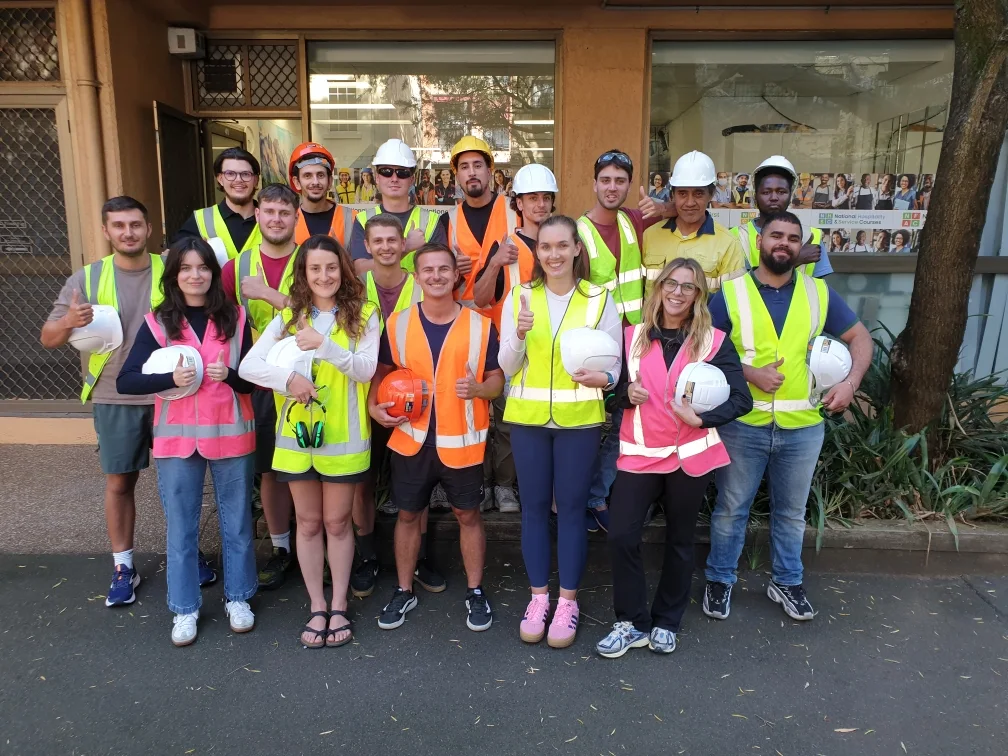
The White Card course, CPCWHS1001 Prepare to work safely in the construction industry, provides general construction induction for people who need it under the applicable state or territory rules.
It’s not just a certificate. It’s practical knowledge that keeps you and your team safe, ensures compliance with workplace health and safety laws, and gives you confidence to handle hazards in real-world situations.
This one-day course covers everything from spotting dangers and managing risks to understanding your legal responsibilities and using protective equipment correctly.
After completing the course and assessment, follow the relevant card process and confirm accepted evidence before work. Site induction, task competence, licences and work rights remain separate requirements.
This guide outlines the key topics you will learn and what to expect in a White Card course delivered by National White Card Courses.
Quick Facts About the White Card
| Fact | Detail |
|---|---|
| Duration | Commonly one day; minimum duration and schedules vary by jurisdiction and provider |
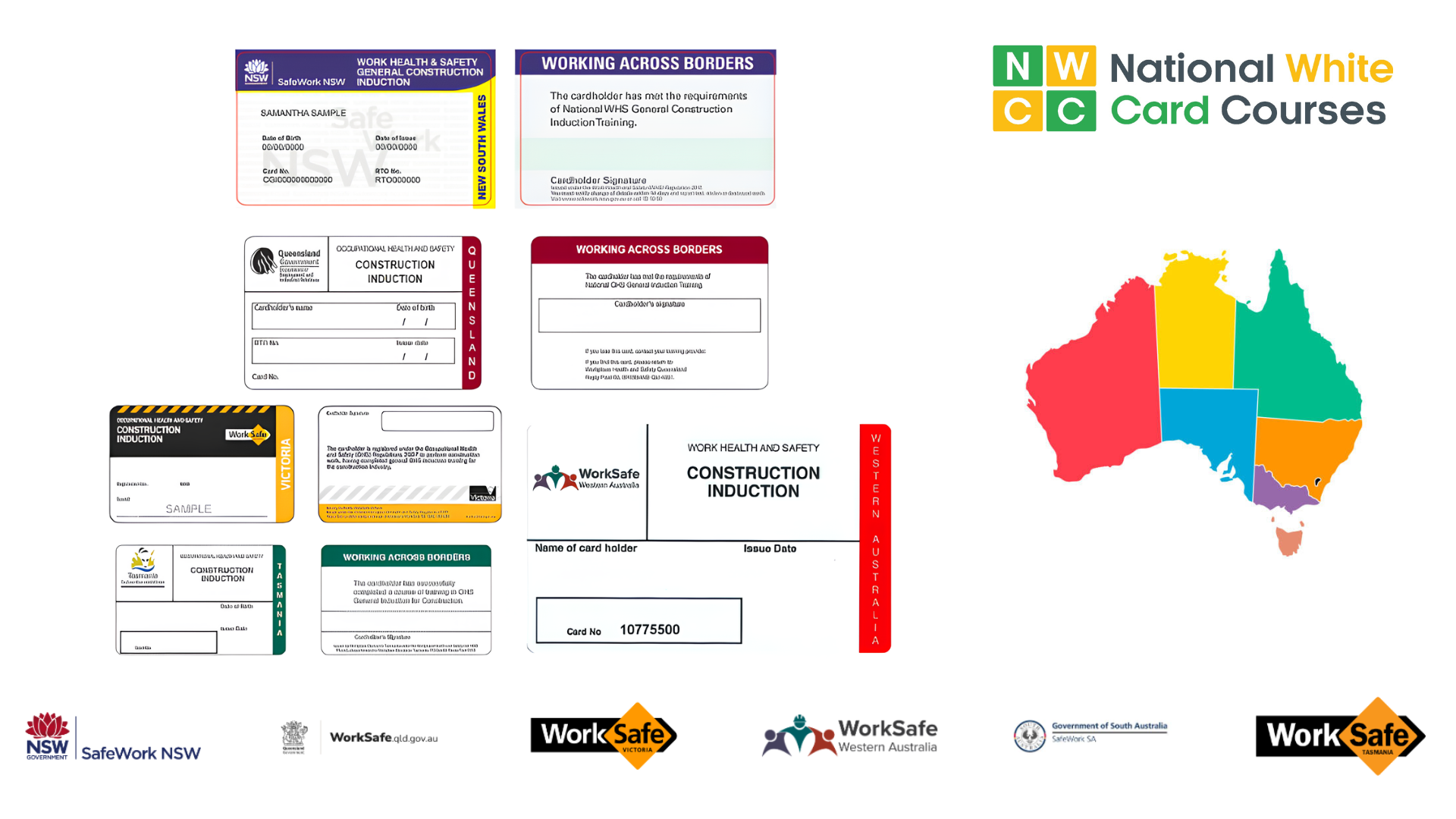
| Validity | No routine printed expiry, but currency and two-year absence rules can require retraining; valid interstate cards are generally recognised |
| Start Work | After you hold the required card or accepted temporary evidence and meet site and role requirements |
| Required For | People carrying out construction work and relevant regular or unaccompanied access to operational construction zones |
| Skills Learned | Hazard identification, risk management, emergency response, PPE use, legal responsibilities |
Important: A White Card is not a universal requirement for every visitor or every high-risk job. Check the work and access arrangements. Supervised visitors and deliveries to safe drop-off areas can be treated differently.
Key Topics You Will Learn About in a White Card Course
A White Card course covers introductory construction safety knowledge and practical skills. It helps you identify common risks and know when to stop and seek help, but does not make you competent for every task.
1. Understand Your Legal Responsibilities


What You Will Learn
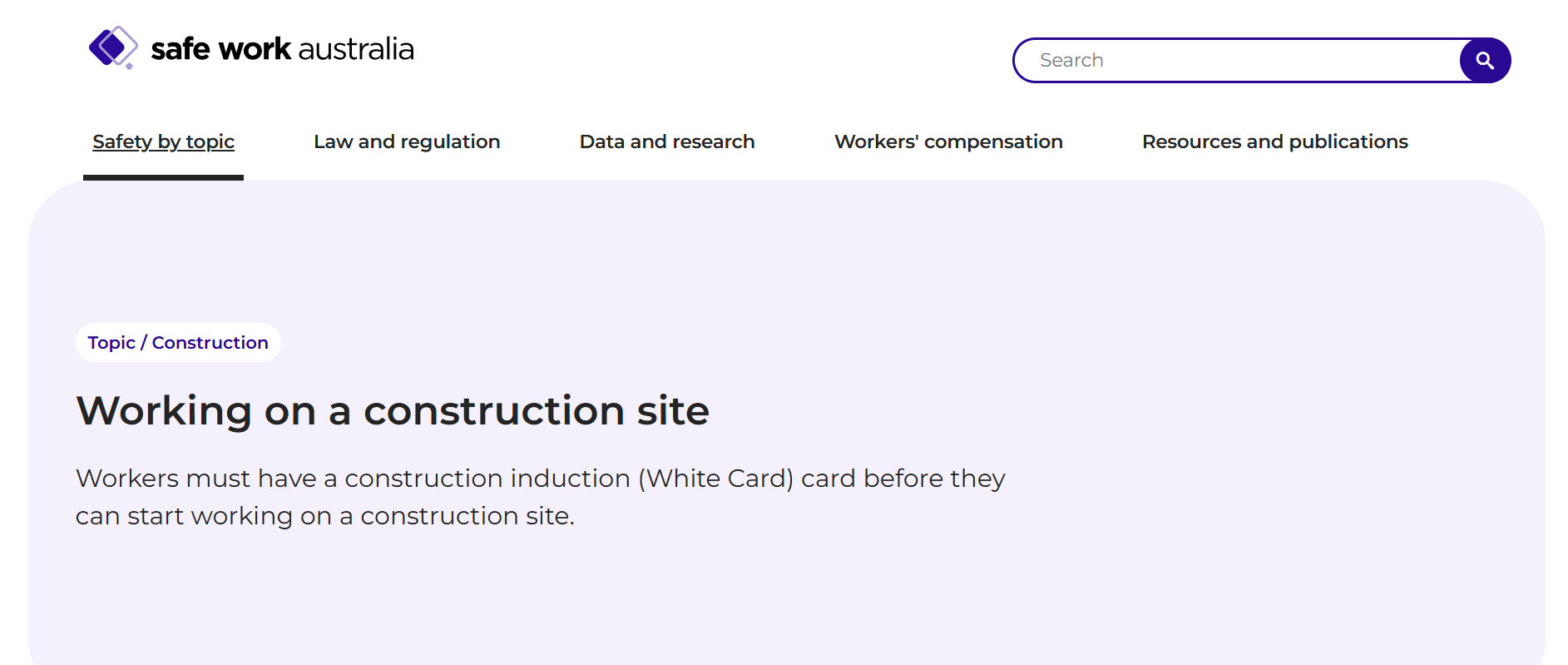
Safety starts with knowing your rights and responsibilities under Work Health and Safety (WHS) laws. In this part of the course, you’ll learn:
- Your worker duties: take reasonable care for your own safety and others, and follow reasonable safety instructions and procedures.
- Your employer’s obligations, including providing a safe workplace and equipment
- How to follow safety rules, procedures, and safe work instructions
- Reporting hazards or unsafe practices to supervisors
Why This Matters
Construction sites can be busy, complex environments. Understanding your legal responsibilities prevents accidents and protects you from liability. This knowledge also builds confidence, you’ll know when to raise concerns and how to follow the correct processes if issues arise.
2. Spotting Hazards on Site

Common Hazards
A critical skill for every worker is the ability to identify hazards before they cause accidents. The course teaches you to recognise dangers across all areas of a construction site.
Common hazards include:
| Hazard Type | Examples | Practical Tip |
|---|---|---|
| Falls | Scaffolding, ladders, elevated platforms | Always check scaffolding and ladders for stability before use |
| Electrical | Power lines, exposed wiring | Keep required clearances, report electrical hazards and use authorised electrical workers. Insulated tools do not make unlicensed electrical work safe or lawful. |
| Vehicles & Machinery | Forklifts, trucks, site vehicles | Stay visible, follow site traffic rules |
| Manual Handling | Lifting heavy items, pushing equipment | Use proper lifting techniques; ask for help |
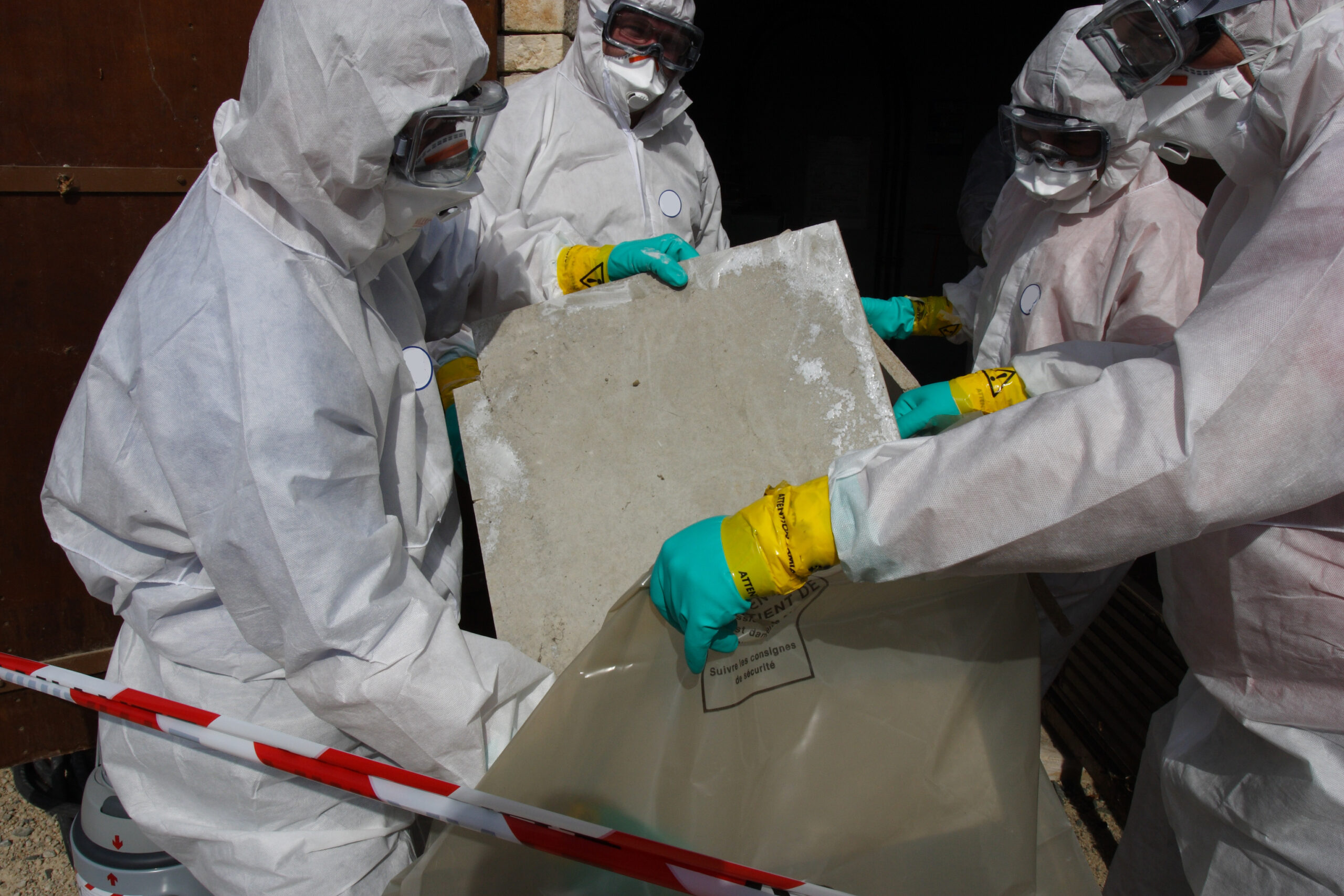
| Hazardous Materials | Asbestos, chemicals, dust | Stop and report suspected asbestos; use authorised controls and trained workers. Follow SDS and silica-control procedures rather than relying on PPE alone. |
| Environmental | Noise, sun exposure, dust | Use hearing protection and sunscreen; stay hydrated |
How You Will Learn
You’ll be trained to inspect your work area systematically, looking up, around, down, and even underground, to ensure no hazard goes unnoticed. Trainers provide real-world examples and scenarios so you can apply your learning on an actual site.
3. Managing Risks Effectively

The 5-Step Risk Control Process
Identifying hazards is only the first step. You’ll also learn how to assess and control risks with a simple, practical method:
- Identify the hazard
- Assess the level of risk (Extreme / High / Moderate / Low)
- Report and discuss with your team or supervisor
- Control or remove the hazard using the best approach
- Check that your solution is effective
Practical Application
This process helps you make real-time decisions on site. For example, if a scaffold is unstable:
- Identify the issue
- Assess the risk, someone could fall
- Report it to your supervisor
- Control by erecting barriers or having a qualified worker fix it
- Check the area is safe before work continues
Learning this process ensures you know when to stop work and when it’s safe to proceed.
4. Applying the Hierarchy of Control
What You Will Learn
The Hierarchy of Control is a practical framework for managing workplace hazards. It ranks control measures from most effective to least effective:
| Control Method | Description | Example |
|---|---|---|
| Eliminate | Remove the hazard completely | Remove a faulty machine instead of using it |
| Substitute | Replace with something safer | Use a safer chemical or material |
| Isolate | Separate workers from the hazard | Fence off dangerous areas |
| Engineering | Use equipment to reduce risk | Guarding on machines |
| Administrative | Rules, procedures, training | Signage, safety instructions, work schedules |
| PPE | Personal protective equipment | Hard hats, gloves, boots, masks |
Tip: While PPE is essential, it’s the last line of defence. Always aim to eliminate or control hazards at the source.
5. Using Personal Protective Equipment (PPE)

What You Will Learn
PPE is the last level in the hierarchy of controls and must be suitable for the hazard. The course introduces:
- Hard hats, safety boots, high-vis vests
- Gloves, eye and ear protection
- Respirators, dust masks
- Sun protection for outdoor work
How You Will Learn
You will learn to inspect and fit PPE and must demonstrate correct fitting of a hard hat, eye protection, hearing protection and high visibility clothing during assessment. Workplace PPE is selected through the task risk assessment, and the responsible business must provide required PPE or make a compliant supply arrangement.
6. Reading and Understanding Safety Signs
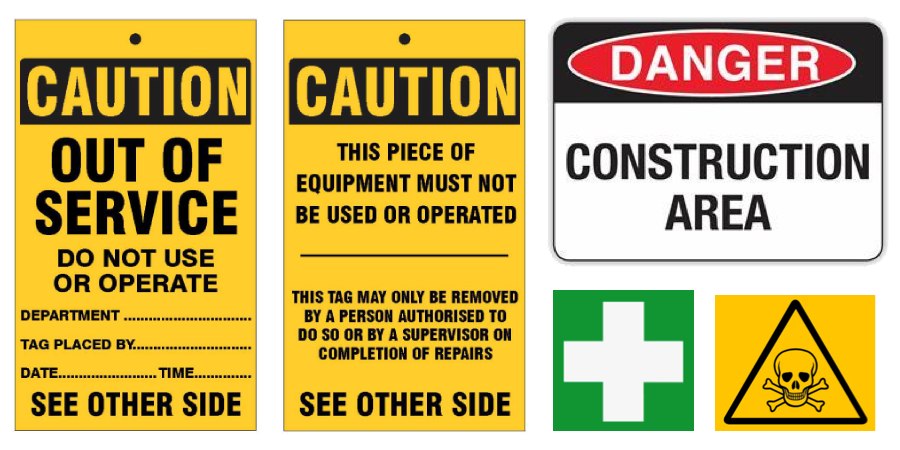
What You Will Learn
Safety signs on construction sites communicate critical information instantly.
You’ll learn to interpret colours, symbols, and messages:
| Colour | Meaning | Example |
|---|---|---|
| Red | Danger / Prohibited | “Do not enter” or “Danger” |
| Yellow | Warning | “Slippery surface” |
| Blue | Mandatory actions | “Wear safety goggles” |
| Green | Emergency information | “Exit” or “First aid” |
Recognising these signs ensures you respond quickly and appropriately to hazards.
7. Emergency Response Skills
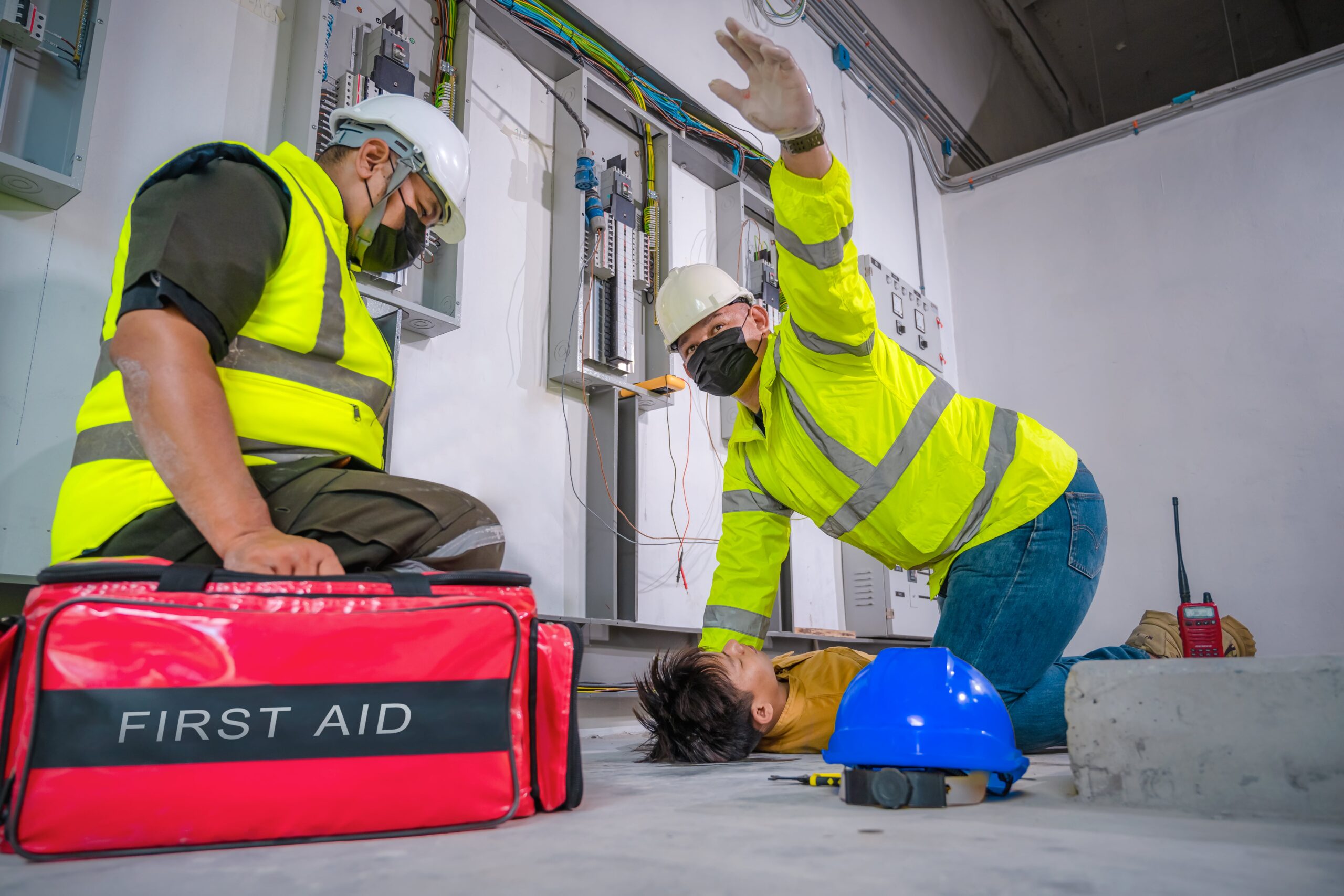
What You Will Learn
Emergencies can happen without warning. The course prepares you to:
- Respond to fires, injuries, or accidents safely
- Call 000 correctly and provide all necessary information
- Recognise when first aid is needed, raise the alarm and seek a trained first aider. This course is not a first aid qualification.
- Recognise fire equipment and follow emergency procedures. Only attempt to use an extinguisher when trained, safe and consistent with the site plan.
Real-Life Application
Knowing how to act in emergencies can save lives. For example, recognising the correct extinguisher for an electrical fire prevents serious injury.
9. Knowing Site Personnel and Getting Help

Who You Will Contact
Construction sites have specific roles for safety and supervision. The course covers:
- Supervisors – provide instructions and daily task guidance
- WHS Representatives – raise safety concerns or report hazards
- First Aid Officers – respond to injuries and emergencies
Why This Matters
Knowing who to approach for different issues ensures problems are addressed quickly, reducing risk for everyone on site.
10. Assessment and Certification
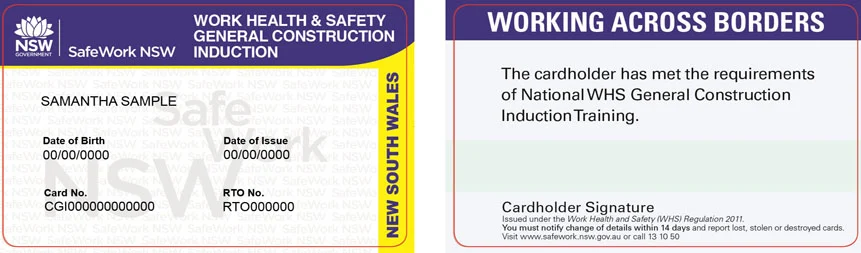
How You Will Be Assessed
Your RTO assesses the required knowledge and practical skills for CPCWHS1001 under the applicable jurisdiction’s rules. The assessment includes observed PPE fitting and communication, not just a quiz. Ask about support or reassessment if you are not yet competent; a pass is not guaranteed.
What You Will Receive
| Stage | Certification |
|---|---|
| After successful assessment and required checks | Statement of Attainment after a competent result and completion of required checks. Whether it is accepted as temporary evidence depends on the jurisdiction. |
| Timing varies | White Card issued through the jurisdiction’s process. A separate application may be needed; confirm the deadline and delivery time. |
USI: A Unique Student Identifier is generally required for nationally recognised training certification unless an approved exemption applies. Create or retrieve yours free at usi.gov.au.
11. After You Complete a White Card Course
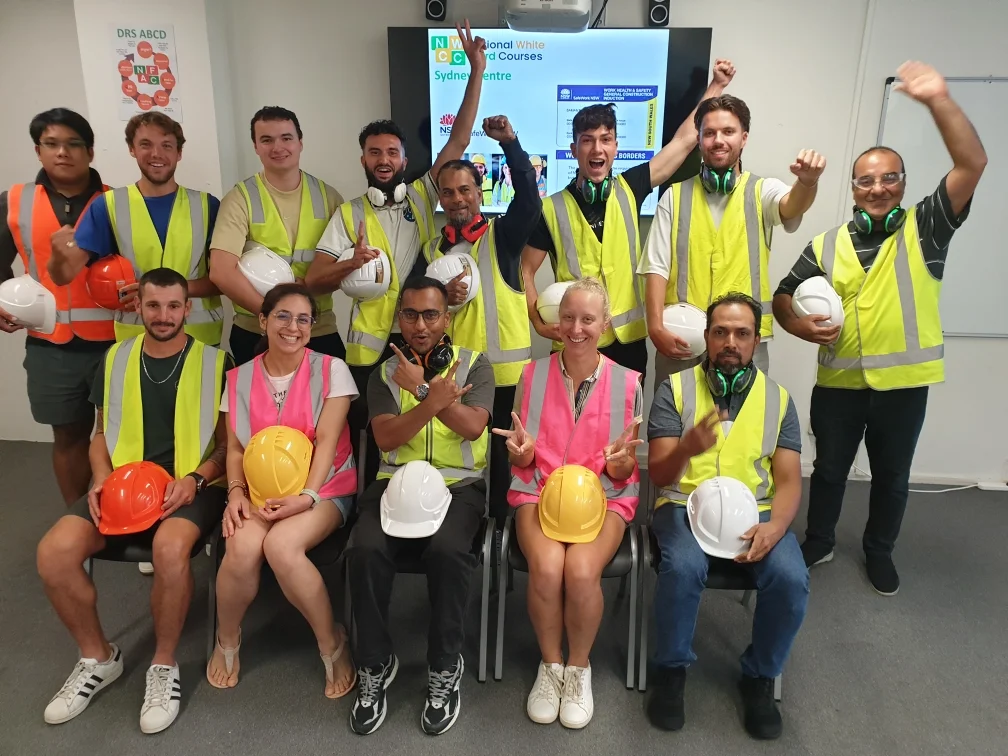
After completing the course, you will be able to:
- Meet the general construction induction requirement with a valid card, while still meeting site, role, licence and work-right requirements.
- Identify hazards before they cause injuries
- Apply risk control measures correctly
- Use PPE effectively
- Respond appropriately to emergencies
- Understand your rights and responsibilities
This course isn’t just about getting a card; it’s training that saves lives. Every hazard you identify or prevent could be the difference between a safe day and an accident.
Get Your Official White Card at a Training Location Near You!
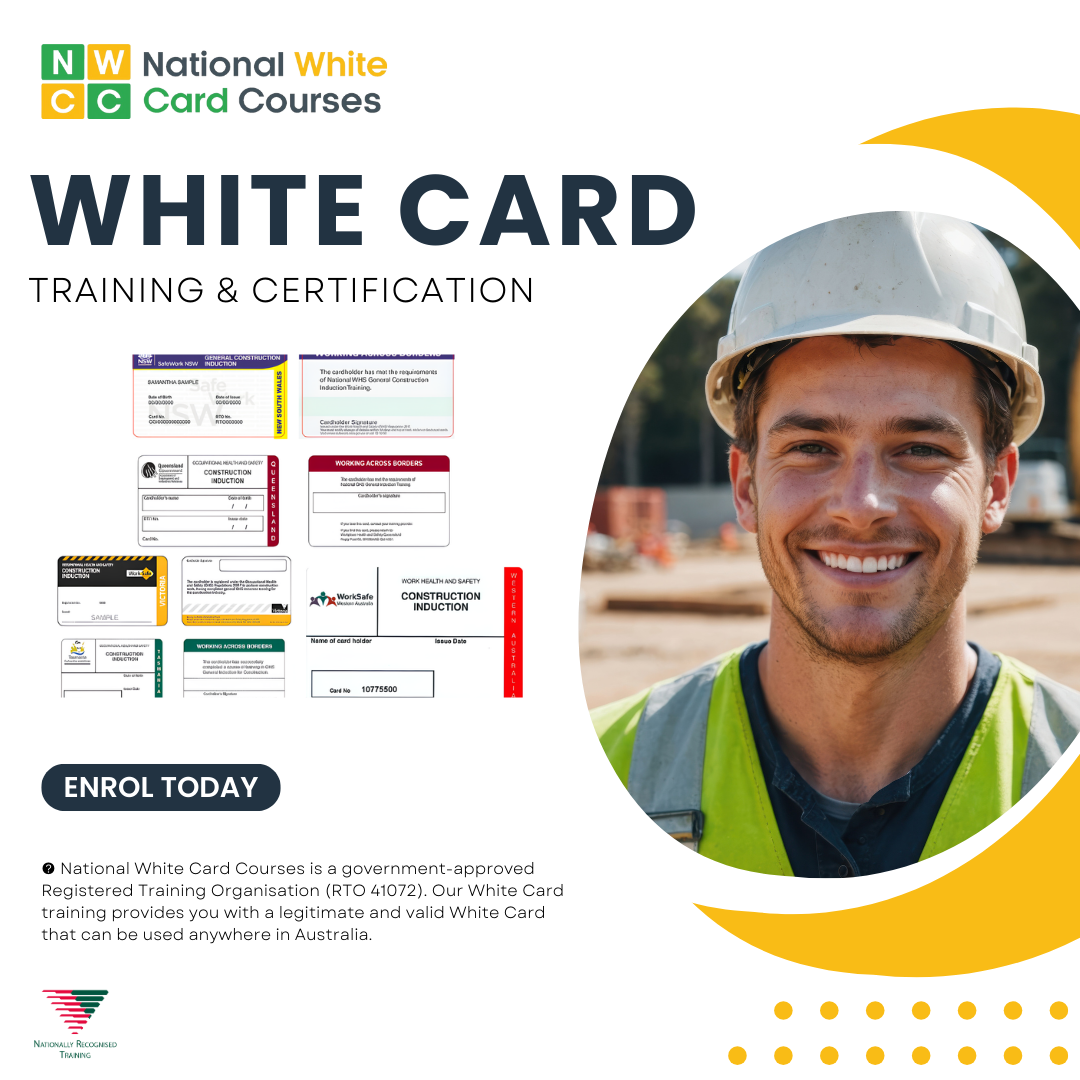
When it comes to your safety and workplace credentials, don’t settle for less, especially considering that the training only lasts a few hours. Plus, remember that the White Card course is relatively easy.
National White Card Courses is an accredited Registered Training Organisation (RTO 41072) providing nationally recognised White Card courses in Australia.
Our courses follow the approval and assessment requirements of the issuing jurisdiction. Contact us to confirm available locations and delivery options.
Our courses include trainer guidance, knowledge assessment and observed practical PPE tasks.
Approved live online options require real-time participation and assessor observation. We explain the identity, location and card requirements before you enrol.
After successful assessment, we issue your training evidence and explain the card process. Current, valid cards are generally recognised interstate; work rights, site induction and task licences remain separate.