
Key Takeaways
- White Card jobs exist across construction, infrastructure, utilities, mining and renewable energy.
- Many entry-level roles accept applicants with little or no experience.
- A White Card helps you become job-ready quickly and start applying for roles immediately.
- Entry-level positions can lead to long-term careers in technical, supervisory and specialised roles.
- Looking beyond construction companies can significantly increase your job opportunities.
Most people think a White Card is just for builders and tradies. It’s not. Thousands of jobs across utilities, civil construction, mining, renewable energy, road maintenance and infrastructure require one. Many with no experience needed and full on-the-job training provided.
Think soil sampling, meter replacement, solar installation, surveying support, road maintenance, telecoms crews or construction materials testing. Different work, same requirement: access to an active construction site means you need a valid White Card.
If you want practical work, solid pay and real career progression without years of study, a White Card is one of the fastest ways in.
Select Your State
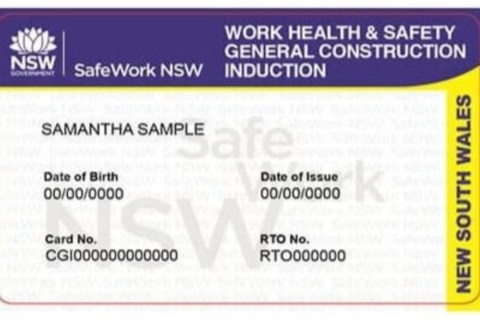
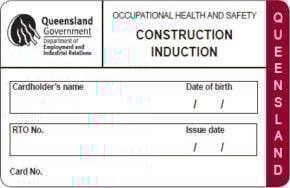
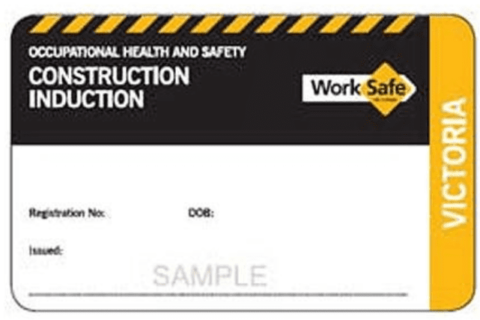
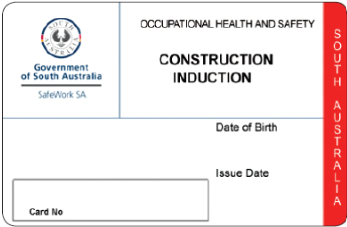
You must complete your White Card course in the state where you live. Please select the state you live in below.
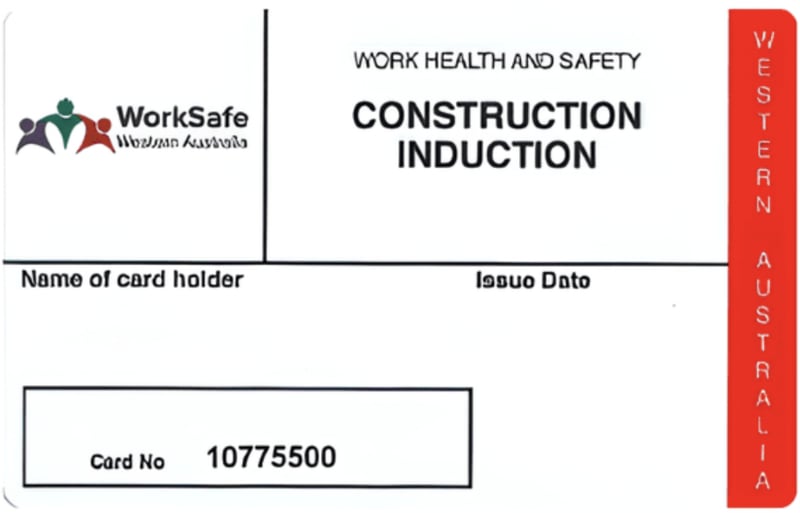
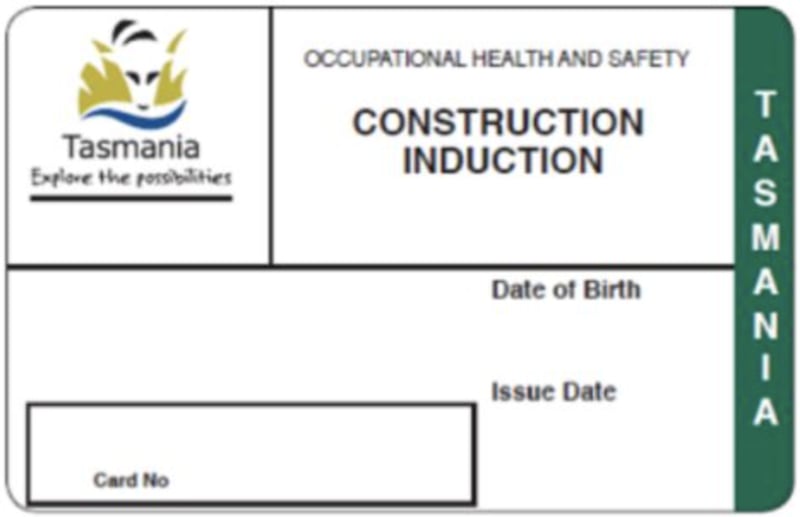


What Can You Do With a White Card?
A Construction Induction White Card tells employers you’ve completed nationally recognised training and understand the basic safety requirements for working on construction sites.
By completing a White Card course, you’ll learn about:
- workplace hazards
- risk management
- personal protective equipment (PPE)
- emergency procedures
- your legal responsibilities on site
- safe work practices
Because construction sites are constantly changing environments, Australian work health and safety laws require workers to complete this training before entering most construction workplaces.
Many of these roles involve entering active construction sites or work zones, so employers may require workers to hold a valid White Card before they start.

How Quickly Can you Get a Job With a White Card?
One of the biggest advantages of getting your White Card is how quickly you can become job-ready. Most people complete the course in less than a day, and depending on the state and training provider, it generally costs between $89 and $150.
For many people, that’s an investment they recover during their very first shift. Unlike lengthy qualifications, a White Card allows you to start applying for entry-level roles almost immediately while gaining valuable workplace experience.
20 Jobs You Can Get With a White Card
A White Card can help you qualify for far more than traditional construction labouring roles. The following entry-level jobs may involve construction sites, infrastructure projects or active work zones, although some employers may require additional licences, training or experience.
1. Civil Construction Labourer
Civil construction labourers help build the infrastructure Australians rely on every day, including roads, bridges, drainage systems, rail projects and subdivisions. Tasks may include preparing worksites, moving materials, assisting trades and operating basic tools and equipment.
Typical earnings: Entry-level civil construction labourers commonly earn around $60,000–$75,000 per year, but salaries vary from state to state and increase with experience.
2. Traffic Controller
Traffic controllers help keep workers, motorists and pedestrians safe around roadworks, construction projects and maintenance sites. The role involves directing traffic, setting up work zones and following approved traffic management plans.
Typical earnings: Traffic controllers often earn around $65,000–$85,000 per year, with overtime, night work and weekend shifts potentially increasing total earnings.

3. Water Meter Technician
Water meter technicians install, replace, inspect and record water meters at residential and commercial properties. The role combines practical work, customer interaction and technology, with many technicians working independently across different locations.
Typical earnings: Entry-level water meter technicians often earn around $60,000–$80,000 per year, with experienced technicians and team leaders potentially earning more.
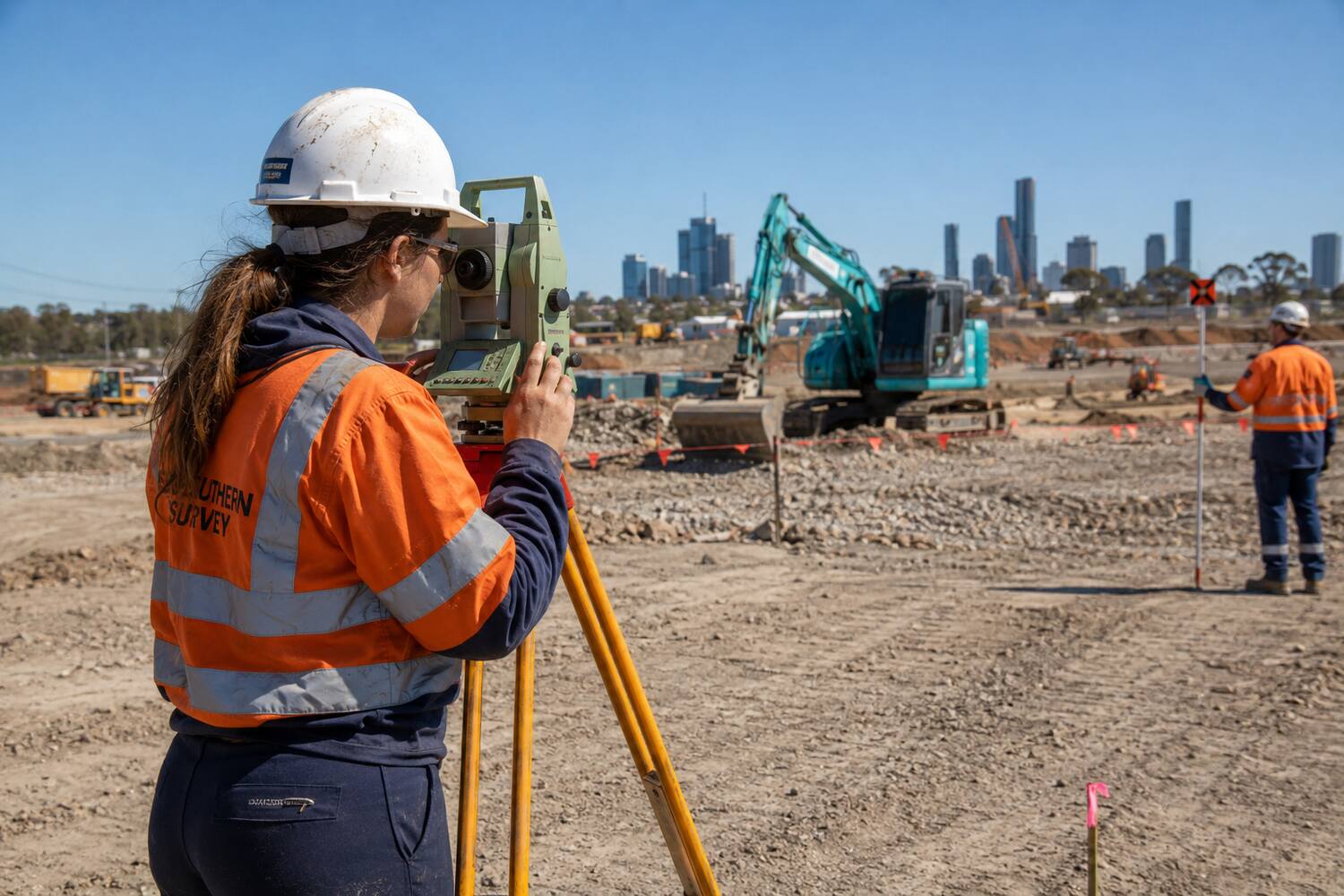
4. Survey Assistant
Survey assistants support surveyors by collecting measurements, marking locations and gathering site information using equipment such as GPS technology, lasers and drones. Their work helps engineers and construction teams accurately plan projects.
Typical earnings: Survey assistants typically earn around $60,000–$80,000 per year, with earnings increasing as workers gain experience and progress towards surveying qualifications.
5. Soil Technician Trainee
Soil technicians collect and test samples from construction sites, roads and infrastructure projects to help determine whether ground conditions meet engineering requirements. The role often combines outdoor fieldwork with laboratory testing.
Typical earnings: Trainee soil technicians generally start around $60,000–$75,000 per year, with experienced technicians and specialists able to earn higher rates.
6. Laboratory Technician Trainee
Construction laboratory technicians test materials such as soil, concrete, asphalt and aggregates to ensure they meet quality and safety standards. They may work in laboratories and visit construction sites to collect samples.
Typical earnings: Entry-level laboratory technicians often earn around $60,000–$75,000 per year.
7. Solar Installer Assistant
Solar installer assistants support qualified installers by preparing equipment, handling materials and helping install solar panels on residential and commercial buildings. The role provides exposure to the growing renewable energy sector.
Typical earnings: Solar installation assistants commonly earn around $60,000–$80,000 per year, with pay increasing as workers gain experience or additional electrical qualifications.
8. Telecommunications Field Worker
Telecommunications field workers install and maintain infrastructure such as fibre optic networks, underground cables and communications equipment. They often work alongside experienced crews on residential, commercial and infrastructure projects.
Typical earnings: Entry-level telecommunications workers often earn around $65,000–$80,000 per year.
9. Utility Locator
Utility locators use specialised equipment to identify underground services such as water pipes, electrical cables and telecommunications infrastructure before excavation begins. Their work helps prevent damage and improves site safety.
Typical earnings: Utility locators commonly earn around $65,000–$85,000 per year, with experienced workers and those with specialist skills often earning higher rates.
10. Landscaping Labourer
Landscape construction workers help create outdoor spaces for housing developments, schools, parks and commercial projects. Tasks may include installing paving, retaining walls, irrigation systems, gardens and outdoor structures.
Typical earnings: Entry-level landscape construction workers often earn around $60,000–$75,000 per year, with experienced workers and qualified tradespeople earning more.

11. Site maintenance Worker
Site maintenance workers help keep construction projects safe, organised and running efficiently. Duties may include maintaining site amenities, managing materials, installing signage and supporting general site operations.
Typical earnings: Entry-level site maintenance roles generally pay around $55,000–$70,000 per year, with opportunities to progress into site coordination and supervisory positions.
12. Rail Maintenance Assistant
Rail maintenance assistants support teams responsible for repairing and maintaining railway networks. Work may include preparing sites, maintaining rail corridors and assisting with infrastructure upgrades.
Typical earnings: Rail maintenance assistants often earn around $70,000–$90,000 per year, with shift work, overtime and allowances potentially increasing total earnings.
13. Demolition Labourer
Demolition labourers assist with preparing buildings for redevelopment. Tasks may include removing materials, sorting waste, using tools and supporting experienced demolition crews.
Typical earnings: Entry-level demolition workers commonly earn around $65,000–$80,000 per year, with earnings varying depending on experience, licences and the type of work involved.
14. Driller’s Offsider
Driller’s offsiders work alongside drilling crews in mining, exploration and geotechnical projects. They assist with equipment preparation, site setup and general drilling operations.
Typical earnings: Driller’s offsider roles can offer some of the higher entry-level earnings, with many positions starting around $90,000+ per year, particularly in FIFO mining environments where rosters, allowances and overtime apply.

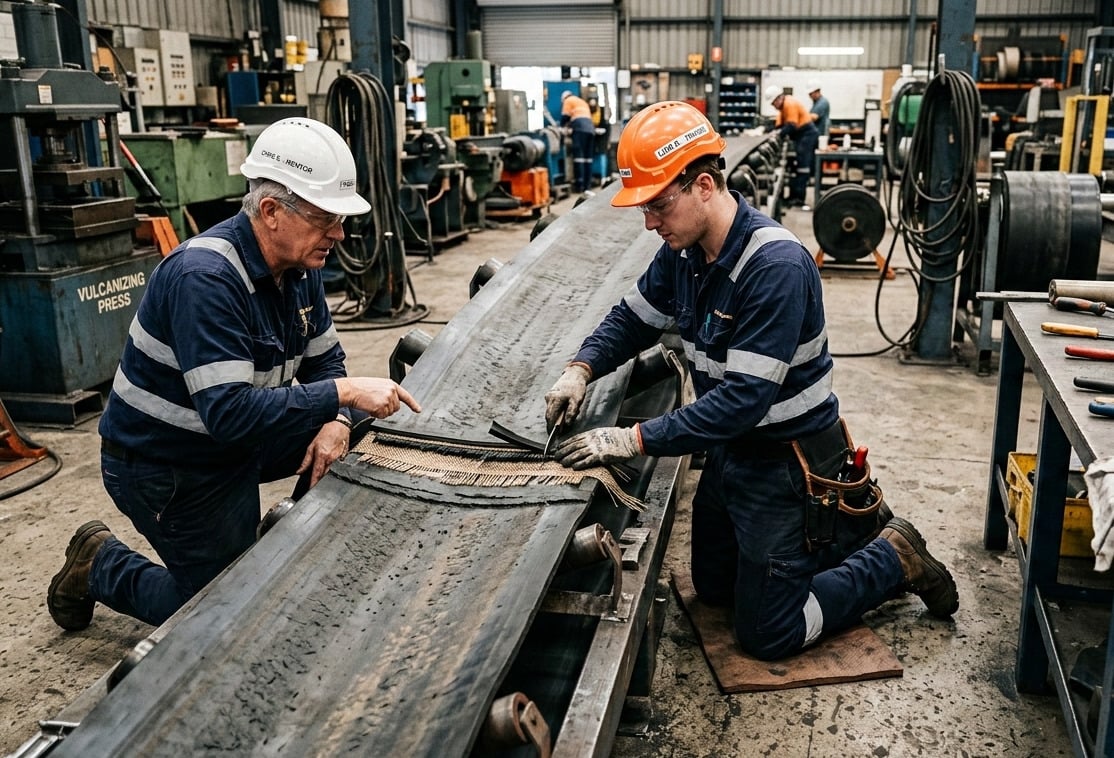
15. Conveyor Belt Splicer Trainee
Conveyor belt splicers install, repair and maintain conveyor systems used in mining, ports, warehouses and industrial facilities. Trainees learn specialised skills while working alongside experienced technicians.
Typical earnings: Trainee positions may start around $70,000–$90,000 per year, with experienced specialists in mining and heavy industry often earning significantly more.
16. Construction Site Cleaner
Construction site cleaners prepare newly completed homes, offices and commercial buildings before handover. They remove dust and debris, clean surfaces and help ensure sites are safe and presentable.
Typical earnings: Construction cleaning roles often pay around $55,000–$70,000 per year, although rates vary depending on whether work is casual, contracted or permanent.
17. Stone Benchtop Fabricator Assistant
Stone benchtop fabricators manufacture and install stone surfaces for kitchens, bathrooms and commercial projects. They learn workshop skills, measuring techniques and installation processes.
Typical earnings: Entry-level fabricator assistants commonly earn around $60,000–$75,000 per year, with skilled fabricators often earning more as they gain experience.
18. Cemetery Maintenance Worker
Cemetery maintenance workers care for grounds, prepare sites and help maintain community facilities. The work requires attention to detail, professionalism and the ability to work outdoors.
Typical earnings: Cemetery and grounds maintenance roles often pay around $60,000–$75,000 per year, depending on employer, location and responsibilities.

19. Asbestos Removal Assistant
Asbestos removal assistants support licensed removalists by preparing work areas, following strict safety procedures and assisting with controlled removal activities.
Typical earnings: Entry-level asbestos removal roles often start around $75,000–$95,000 per year, with higher earnings possible for workers who gain additional licences and experience.
20. Environmental Field Worker
Environmental field workers collect samples, monitor sites and assist with environmental assessments on construction, infrastructure and development projects. The role may involve soil, water and ecological testing.
Typical earnings: Entry-level environmental field workers commonly earn around $60,000–$75,000 per year, with qualifications and specialist experience increasing earning potential.
Industries that Hire Workers with a White Card
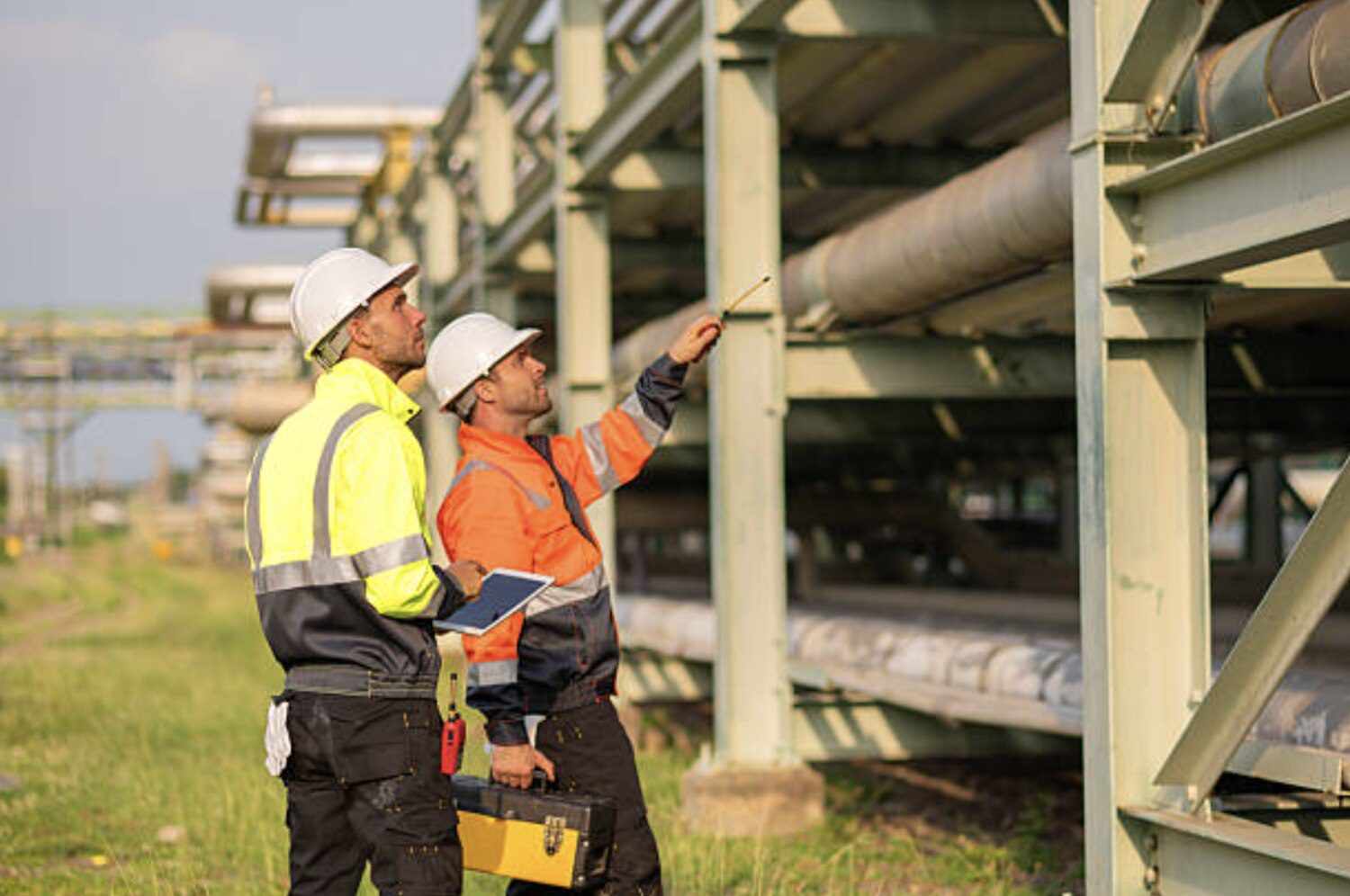
While construction companies are obvious employers, they’re far from the only organisations looking for White Card holders.
You may find opportunities in:
- residential construction
- commercial construction
- civil construction
- road maintenance
- utilities
- rail
- mining
- renewable energy
- telecommunications
- demolition
- landscaping
- local councils
- government infrastructure projects
- and more
This variety means you don’t have to become a traditional tradesperson to enjoy the benefits of holding a White Card.
Where to Find White Card Jobs
Once you’ve completed your White Card course, there are hundreds of vacancies advertised across Australia every day. While large job boards such as SEEK, Jora, Indeed and Workforce Australia are great places to start your search, don’t overlook labour hire companies, local councils, civil construction contractors, traffic management businesses, utility providers and mining companies.
Many employers recruit directly through their own websites or work with specialist recruitment agencies to fill entry-level positions.
When searching online, try using a variety of terms rather than just ‘White Card jobs’. Searches such as ‘White Card required’, ‘White Card essential’, ‘civil labourer’, ‘construction labourer’, ‘site assistant’, ‘utilities worker’ and ‘traffic control’ can uncover opportunities that might not otherwise appear in your results. These roles are advertised everywhere from Sydney to regional towns.
It’s also worth remembering that not every employer includes the words ‘construction’ or ‘White Card’ in the job title. Roles in industries such as utilities, telecommunications, road maintenance and renewable energy may still require a valid White Card because you’ll be working on active construction sites or alongside construction crews. Broadening your search can significantly increase the number of opportunities you find.
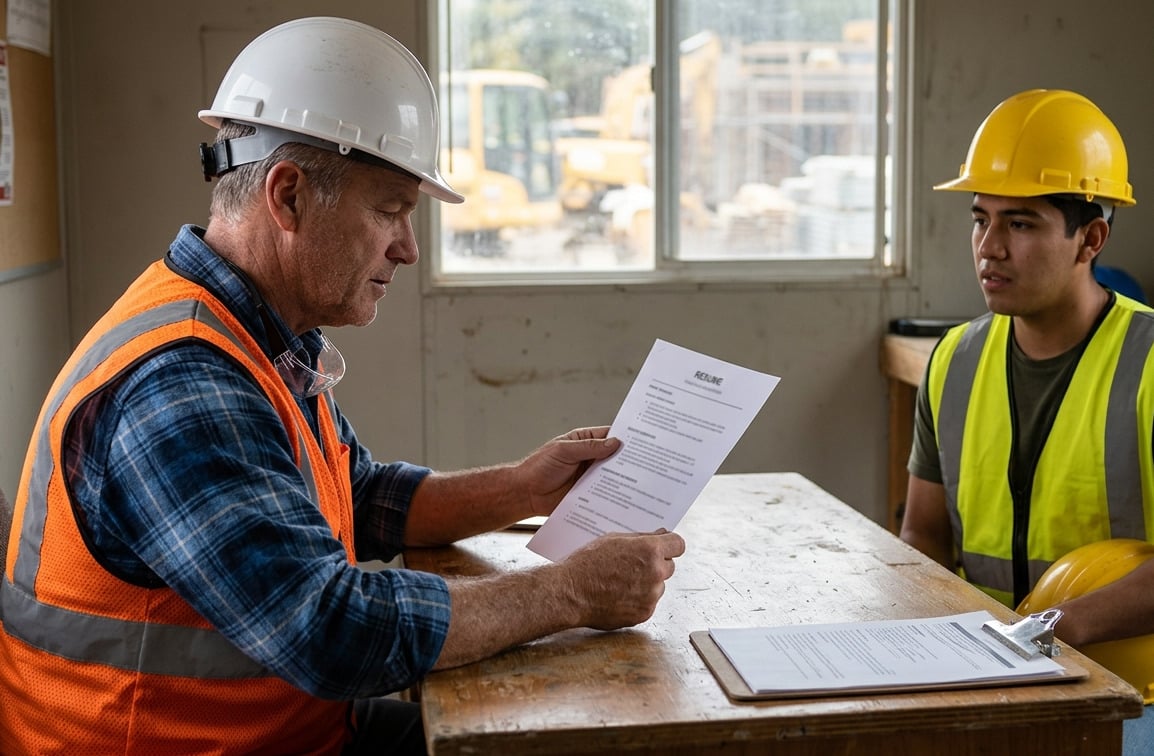
Be sure to list your White Card prominently on your resume, either in a Licences and Certifications section near the top or alongside your qualifications.
Enrol in a Construction White Card Course Near You
When it comes to your safety and workplace credentials, don’t settle for less. National White Card Courses is an accredited Registered Training Organisation (RTO 41072) providing nationally recognised White Card courses in Australia.
Our White Card training and certification is approved by all relevant government bodies, including SafeWork NSW, WorkSafe QLD, WorkSafe VIC, WorkSafe WA, SafeWork SA, and WorkSafe Tasmania.
We ensure you receive comprehensive, hands-on instruction that online courses simply can’t match.
By choosing National White Card Courses, you’re protecting yourself from the risks associated with online training, like potential scams, unrecognised certifications, and inadequate preparation for real-world scenarios.
Our White Card training provides you with a legitimate and valid White Card certificate that can be used anywhere in Australia.