In Short
- FIFO is a work arrangement, not a White Card category. You need a White Card for construction work and relevant access to active construction zones. Other mine and camp roles depend on the duties and site rules.
- Construction training does not replace mine induction. Check the job requirements for trade licences, high risk work licences, task training and medical checks.
- Training is commonly completed in one day. Duration and approved delivery depend on the issuing jurisdiction and include knowledge assessment and observed practical tasks.
- Plan the card process before mobilisation. Card applications, delivery and temporary evidence differ between states and territories.
- A White Card does not guarantee a FIFO job. Match your training and experience to the role you want.
Book your White Card with National White Card Courses
Ready to get started? Choose your state to find available classroom or online options, check the requirements and book your course with our team.
National Courses Pty Ltd · RTO 41072. WA courses are pending approval.
Need a hand choosing? Call 1300 988 181.
Australia’s FIFO (Fly-In Fly-Out) industry offers some of the highest-paying jobs in the country. For thousands of Australians looking to break into this kind of work, FIFO arrangements give you a real shot at earning strong wages while still living in a major city.
A White Card is an essential credential for FIFO construction work. FIFO mining production, hospitality and camp roles do not automatically need one simply because the work is remote.
Also known as a General Construction Induction Card, it confirms completion of introductory construction safety training. It does not qualify you to operate machinery, perform licensed trades or enter a mine without the required site induction.
Start with the job description and site requirements, then choose the training and licences that match your duties.
White Card for FIFO Jobs - Overview
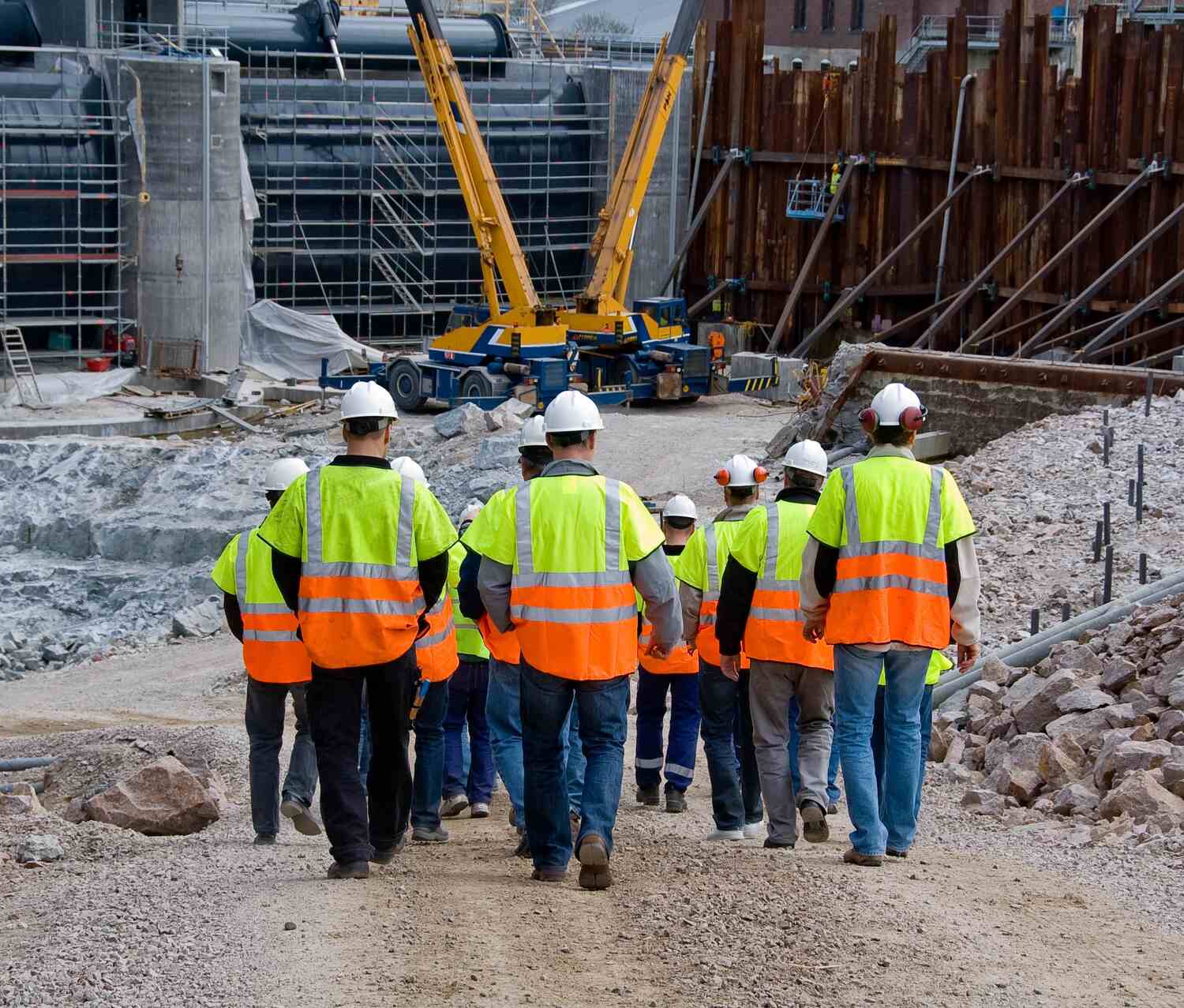
Why FIFO Jobs Require a White Card?
FIFO construction workers need general construction induction as well as the site-specific training required for their work.
Why? Because mining operations frequently involve ongoing construction and infrastructure development. On any mine site, workers may encounter:
- Earthworks
- Structural construction
- Maintenance projects
- Heavy machinery operations
- Industrial installations
The legal requirement depends on the actual construction activity and access arrangements. Employers may also set a White Card requirement for particular mine roles, but it is not a universal licence for every FIFO worker.
This White Card certification ensures workers understand:
- Workplace hazard identification
- Risk management procedures
- Safe work practices
- Personal protective equipment (PPE)
- Emergency response procedures
Check the employer’s induction requirements before travelling. A White Card does not replace mining induction, including relevant Queensland coal industry training.
FIFO Jobs that Require a White Card
FIFO sites are busy, high-pressure environments. Whether you’re working on an oil and gas project, a large construction development, or a resources operation, these are complex workplaces where heavy machinery, hazardous activities, and tight deadlines all come together.
Every worker needs to understand the risks and know how to manage them. That’s why a wide range of FIFO roles require a White Card, covering both trade and non-trade positions.
Here’s a look at which jobs typically need one before you start.
Trades and Technical Roles
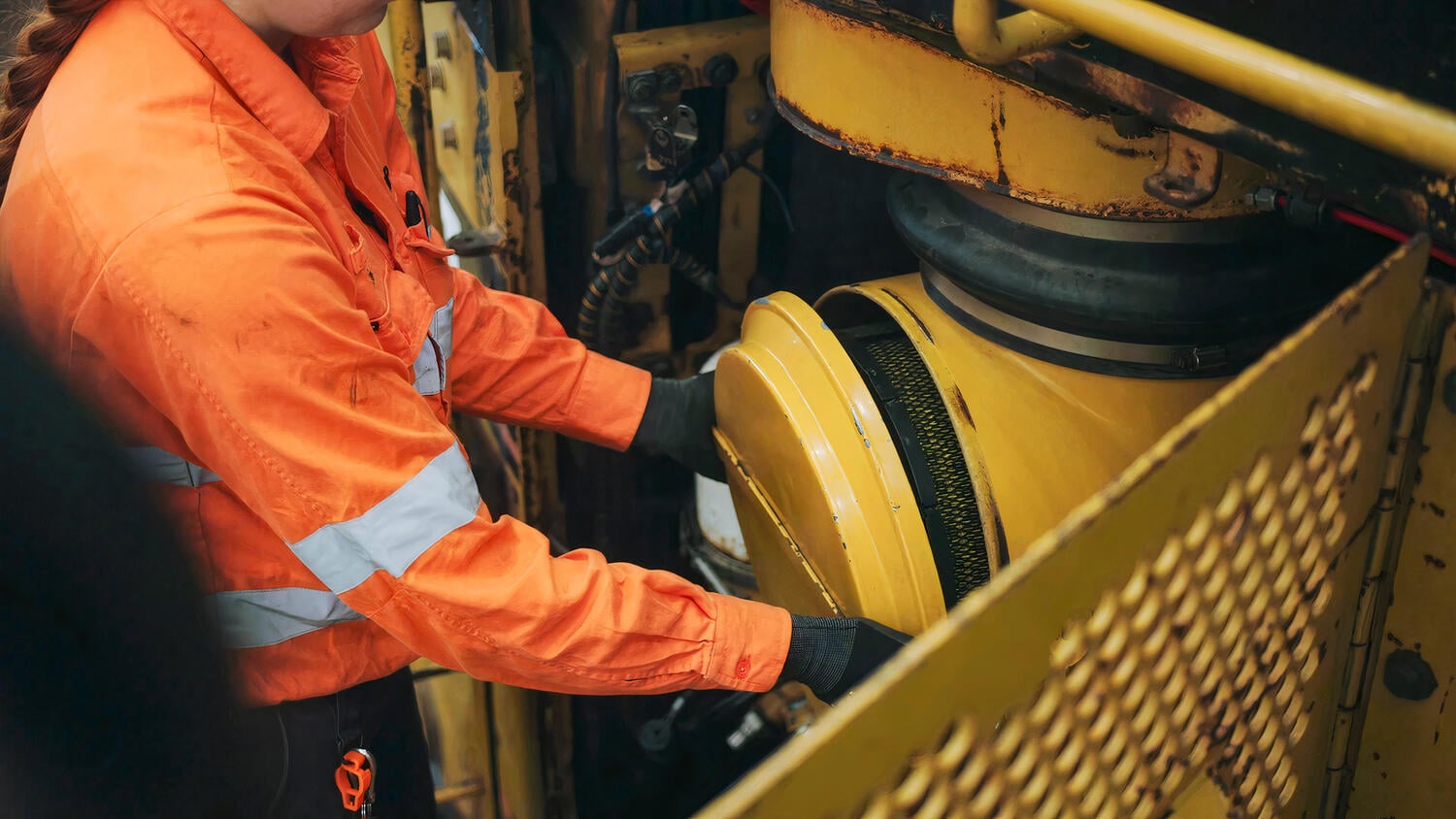
Trade and technical workers are the backbone of most FIFO projects, keeping machinery, facilities, and infrastructure running. Common roles include:
- Electricians
- Boilermakers
- Fitters and mechanics
- Diesel technicians
Construction and Maintenance Workers
Large-scale FIFO projects are constantly moving. New structures go up, existing ones get upgraded, and something always needs repairing. Construction and maintenance work is a constant on most sites, which means a White Card is almost always a requirement for access.
Roles that typically need one include:
- Civil construction workers
- Scaffolders
- Pipefitters
- Steel fixers
Operational and Support Staff
Some support workers need a White Card because they routinely enter active construction zones or work there without supervision. Camp-only catering and housekeeping roles do not automatically fall into this category. Follow the site’s access arrangements.
Support roles that commonly require one include:
- Utility workers
- Delivery drivers
- Maintenance assistants
- Safety officers
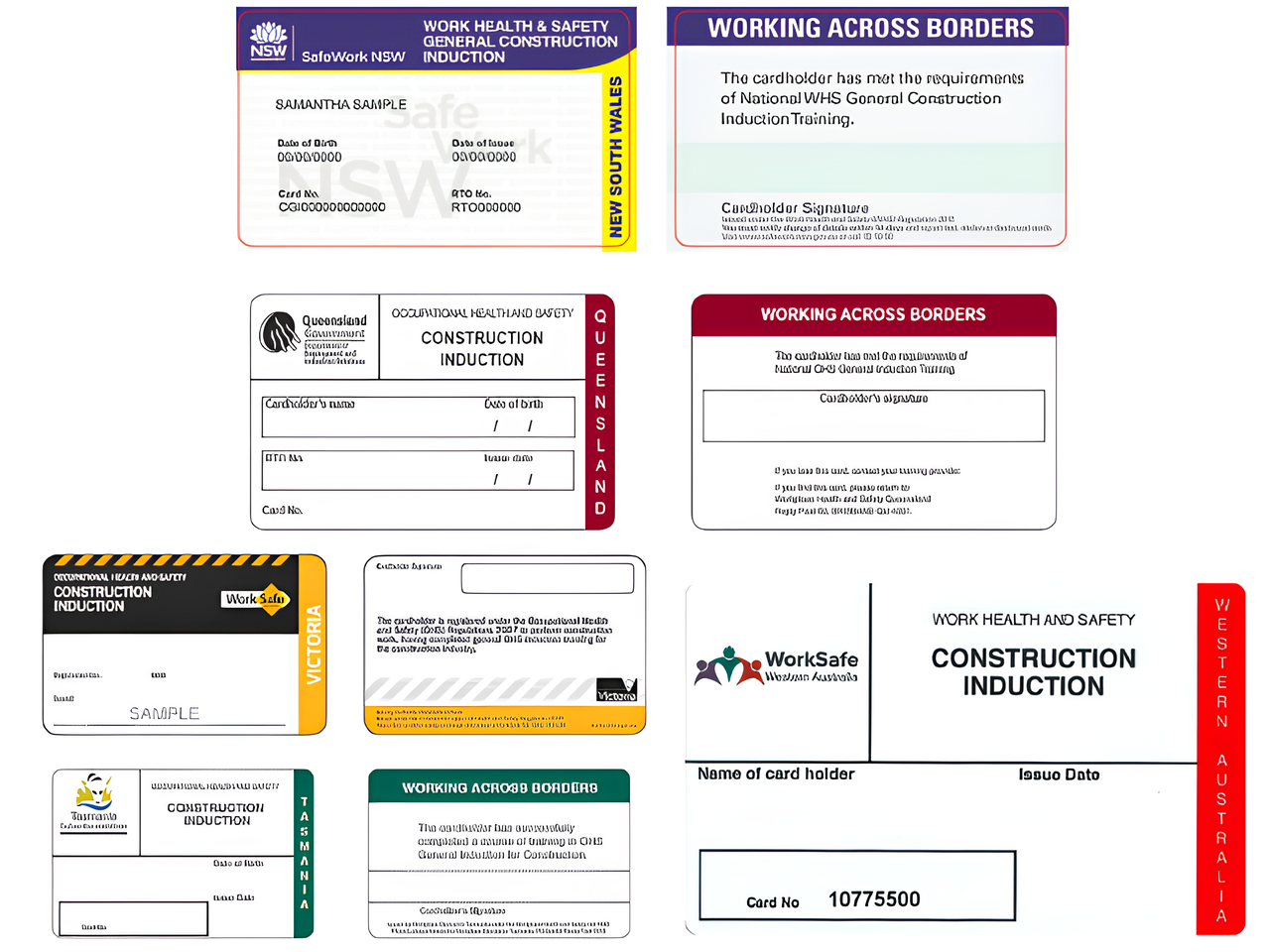
How to Get a White Card in Australia
For workers entering FIFO construction, completing White Card training is a common entry requirement.
The process of acquiring a White Card in Australia is straightforward, taking as little as a day to complete the training.
Step 1: Enrol in a White Card course
First, you must complete the nationally recognised course: CPCWHS1001 – Prepare to Work Safely in the Construction Industry.
Recognised courses are available through approved training providers, such as National White Card Courses and may be delivered:
- Face-to-face
- Online with live assessment (depending on state regulations)
Step 2: Complete the Training
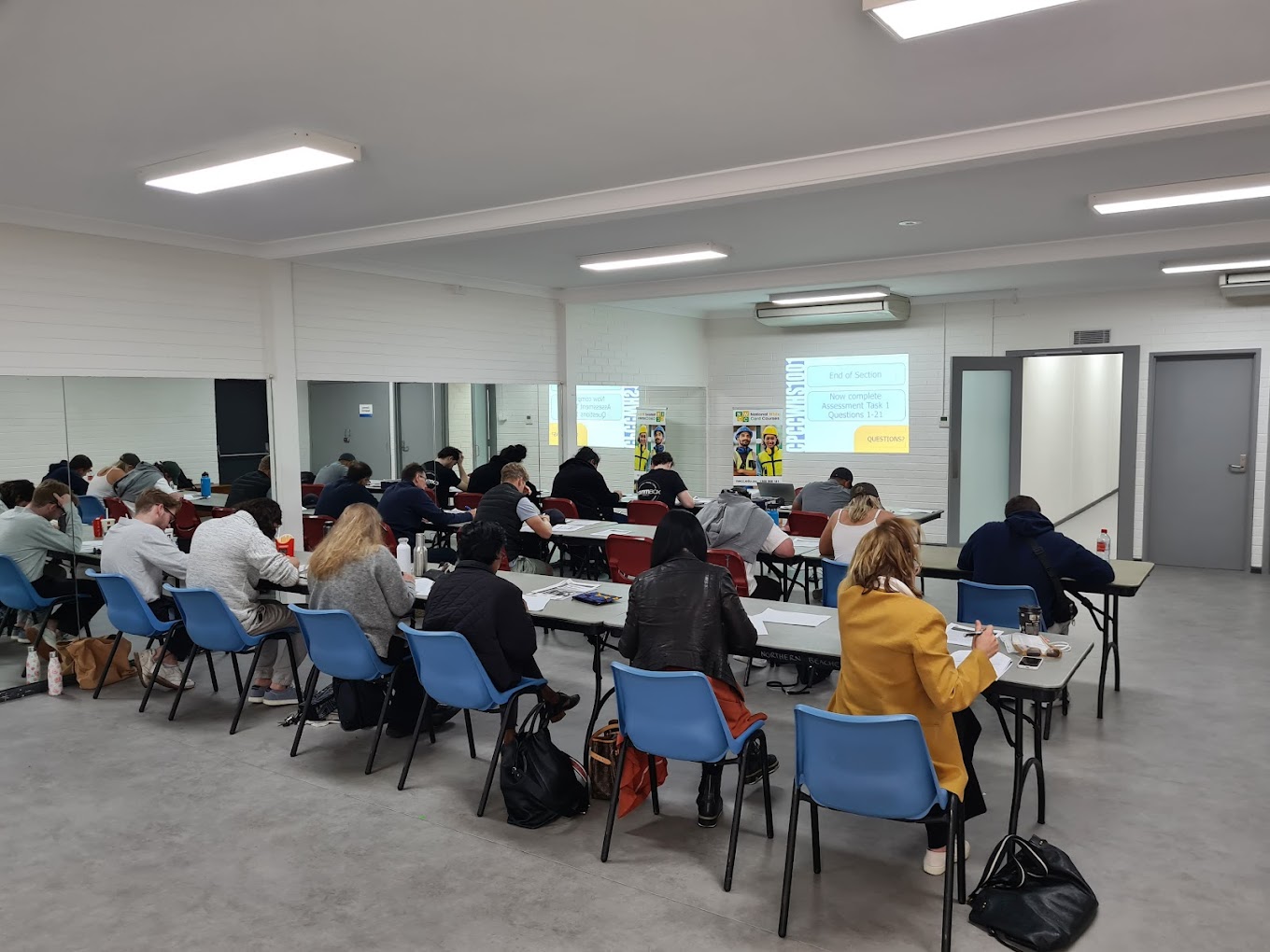
Courses are commonly completed in one day, but minimum duration and delivery rules vary. Queensland requires at least 4.5 hours, while Victorian construction induction training requires at least six hours. Check our current course details before booking.
Training covers key safety topics including:
- Workplace hazards
- Risk control measures
- Personal protective equipment
- Safety legislation
- Emergency procedures
You can learn more about what’s involved in the course in our handy White Card Learning Guide.
Step 3: Pass the Assessment
Assessment covers safety knowledge and observed practical tasks, including correctly fitting a hard hat, eye protection, hearing protection and high visibility clothing. A short online quiz alone is not enough.
Our assessment preparation guide explains how to prepare. After a competent result, the following evidence and card process apply:
- A Statement of Attainment for CPCWHS1001, subject to the applicable USI requirements or an approved exemption
- A White Card issued through the jurisdiction’s process. Some jurisdictions require a separate application; physical delivery is not necessarily immediate
Additional Tickets Needed for FIFO Jobs
Alongside a White Card where required, employers may require additional task training and licences. Check the role before buying extra courses.
Common tickets include:
Completing these certifications alongside a White Card course can significantly improve your chances of securing a FIFO role.

Why FIFO Mining Jobs are so Popular
With approximately 100,000 people employed in FIFO jobs around the country, FIFO work has become one of the most attractive employment options in Australia’s resource sector.
And much of the appeal comes down to the fact it’s a work arrangement that offers employees the chance to earn high salaries while maintaining a home base in a major city or regional area.
High salaries
Mining jobs offer significantly higher pay than many other industries.
The average mining salary in Australia is currently between $105,000 and $125,000, according to Seek, with skilled positions and experienced personnel commanding annual salaries above $150,000.
There may also be annual bonuses on top of the annual salary while FIFO positions often include extras such as food, accommodation, gym access and transport while you are on site.
Flexible work schedules
FIFO rosters allow workers to take extended breaks between shifts.
For example, a two-week-on / two-week-off roster means workers may spend roughly half the year at home.
Career progression
Workers who begin in entry-level roles can progress into specialised positions such as:
- Equipment operators
- Site supervisors
- Safety officers
- Project managers
Completing a White Card training course is often the first step in this career pathway.
Check your card before mobilisation
A valid interstate White Card is generally recognised, but site induction, task competence and any required licences remain separate. A card is not necessarily valid for life: a two-year absence from construction can require retraining under the applicable jurisdiction’s rules. Confirm accepted temporary evidence while a card is being issued.
Frequently Asked Questions
Do you need a White Card for FIFO jobs?
You need one for FIFO construction work and relevant access to active construction zones. Mining production, catering and camp-only roles do not automatically require it, although employers may set additional entry requirements.
Can you get a FIFO job without a White Card?
Yes, some FIFO roles do not involve construction or construction-zone access. Read the job requirements. You can also apply for a construction role before training if the employer allows it, but must meet the applicable requirements before starting that work.
How long does it take to get a White Card?
Training is commonly completed in one day, with duration depending on the jurisdiction and course. Assessment includes knowledge and observed practical tasks. Card applications and delivery may take longer, so confirm the accepted temporary evidence before travelling to site.
Is a White Card valid across Australia?
A current, valid interstate White Card is generally recognised across Australia. Currency rules, site induction, task-specific training and licensing still apply. Check the issuing jurisdiction’s requirements if you have been out of construction for two years or more.
Where can you get a White Card?
Choose a registered training organisation approved to deliver the course under the issuing jurisdiction’s rules. Our courses follow the approvals and delivery methods shown on our current state course pages. Check location, ID, minimum age and USI requirements before booking.
Conclusion
A White Card is an important first step for FIFO construction roles. It confirms introductory construction safety training and helps you meet the relevant entry requirements.
Check the job’s duties, site induction, licences and work rights before booking training or travelling. Our courses can help you prepare for construction work, but a White Card alone does not qualify you for every mining or FIFO role.
Enrol in a Legitimate White Card Course