In Short
- FIFO jobs in WA can pay between $75,000 and $220,000+ per year.
- Popular roles include machinery operators, electricians, boilermakers and driller’s offsiders.
- Many entry-level FIFO jobs require little or no mining experience.
- A White Card is required for construction duties; other mining and FIFO roles depend on the work and employer requirements.
- Additional tickets such as Working at Heights can improve your chances of employment.
Book your White Card with National White Card Courses
Ready to get started? Choose your state to find available classroom or online options, check the requirements and book your course with our team.
National Courses Pty Ltd · RTO 41072. WA courses are pending approval.
Need a hand choosing? Call 1300 988 181.
FIFO jobs in WA are among the highest-paying mining and construction jobs in Australia, with salaries ranging from $75,000 to over $220,000+ depending on experience and qualifications.
After all, Western Australia is home to some of the biggest mining, construction and resource projects in the country. From the iron ore operations of the Pilbara to major energy and infrastructure developments, demand for skilled workers remains strong across a wide range of FIFO jobs in WA.
FIFO (Fly-In Fly-Out) allows workers to travel to remote worksites for a set roster before returning home for scheduled time off. For many Australians, FIFO work offers an attractive combination of high earning potential, career progression and the opportunity to work on some of the nation’s largest projects.
Here are 10 of the most popular FIFO jobs in WA and how you can position yourself to secure one.
What are FIFO jobs?
FIFO jobs involve workers being flown to remote mining, construction, oil and gas, or infrastructure sites where they work for a rostered period before flying home for their break.
Accommodation and meals are typically provided by employers, and salaries are often higher than equivalent metropolitan roles to compensate for the remote nature of the work. FIFO remains a critical workforce model across Western Australia, with tens of thousands of workers supporting the state’s mining and resource industries.

10 FIFO Roles to Explore
The beauty of FIFO work is that there isn’t a single pathway into the industry. Many people immediately think of miners and machine operators, but modern FIFO operations rely on hundreds of different professionals to keep sites running safely and efficiently.
The resources sector has room for pretty much everyone. There’s a good chance your skills fit somewhere, no matter where you’re at in your career. Tradies, equipment operators, safety professionals, environmental specialists, camp staff, and more.
If you’re exploring FIFO jobs in WA, here are 10 of the most popular roles employers are regularly recruiting for.
1. Heavy Machinery Operator
Average FIFO salary: $110,000-$180,000+ per year
Heavy machinery operators are among the most sought-after FIFO workers in Western Australia. These professionals operate equipment such as:
- Excavators
- Loaders
- Graders
- Bulldozers
- Haul trucks
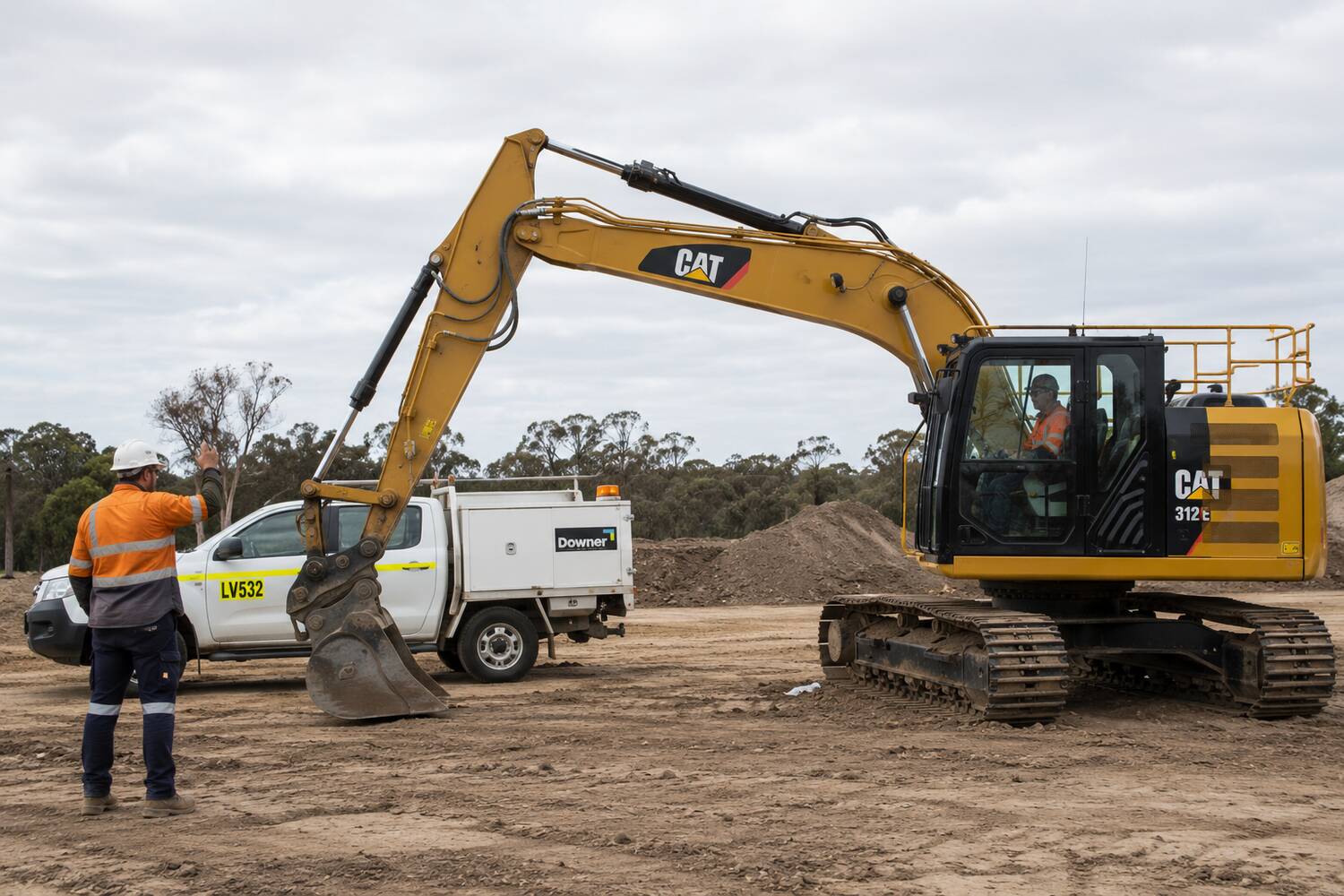
Mining companies rely on experienced operators to keep production moving safely and efficiently. Operators can work across iron ore, gold, lithium and construction projects. Many operators begin in entry-level mining roles before progressing into specialised equipment operation positions.
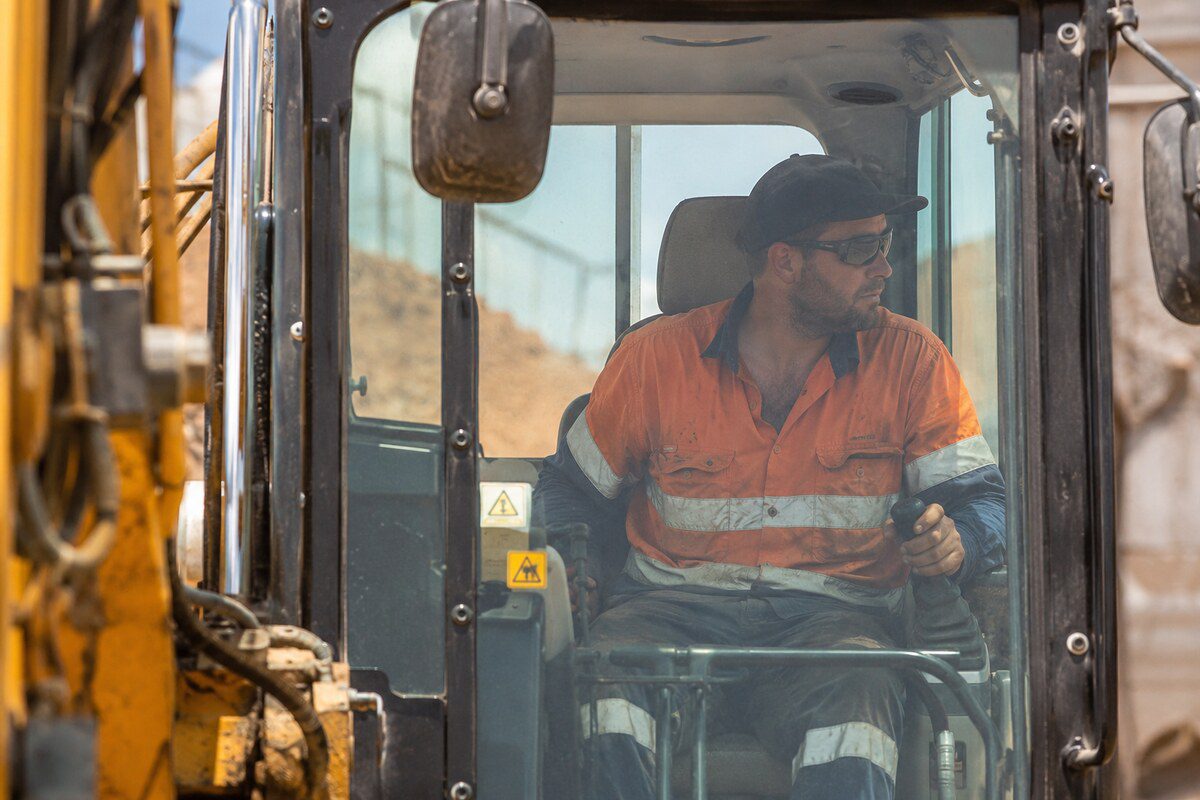
Not every excavator, loader, grader, dozer or haul truck requires a high-risk work licence. Operators must be competent and authorised for the equipment, with any applicable road or other licence. Forklifts and specified cranes are examples of plant that require a relevant high-risk work licence.
2. Heavy Diesel Mechanic
Average FIFO salary: $140,000-$220,000+ per year
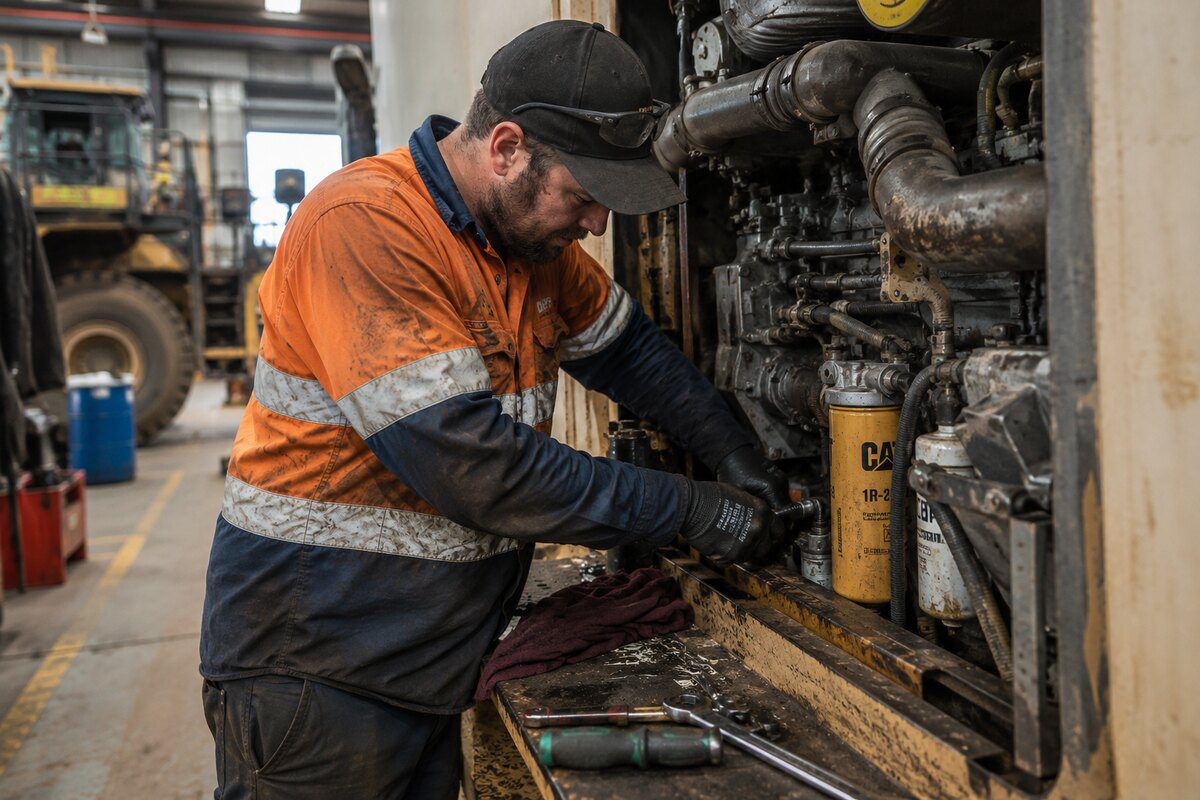
Heavy diesel mechanics play a vital role in maintaining the massive fleets of machinery used across WA mining operations. Responsibilities often include:
- Diagnosing mechanical faults
- Conducting preventative maintenance
- Repairing heavy mobile equipment
- Servicing trucks and earthmoving machinery
With mining companies operating around the clock, skilled diesel mechanics are consistently in demand. You’ll need a Certificate III in Heavy Commercial Vehicle Mechanical Technology or a similar trade qualification to get started.
Experience with specific OEM equipment like Cat, Komatsu, or Liebherr is a big plus and can push your salary toward the higher end of the range. If you have your trade certificate and a few years of experience under your belt, getting hired in this field is one of the more straightforward paths into FIFO work.
3. Electrician
Average FIFO salary: $130,000-$210,000+ per year
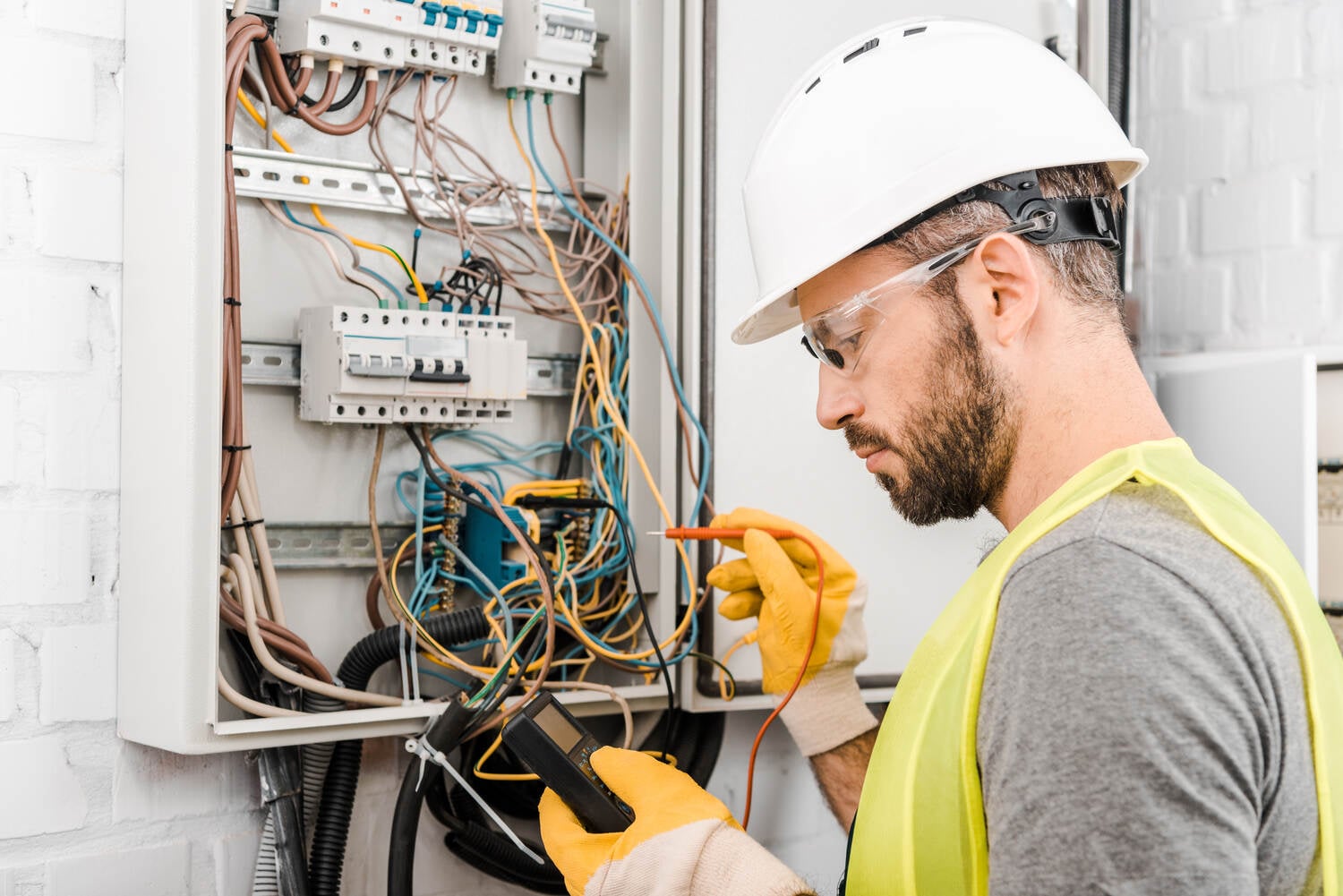
Electricians remain one of the most popular FIFO jobs in WA due to their versatility across mining, energy and construction projects. FIFO electricians may work on:
- Fixed plant equipment
- Processing facilities
- Camp infrastructure
- Power generation systems
- High-voltage installations
Many employers offer attractive salaries and roster arrangements for qualified electricians willing to work in remote locations. Recent WA FIFO vacancies continue to show strong demand for electrical trades.
Electrical work requires the appropriate WA electrical worker’s licence for the duties. High-voltage work may require additional competence, training and site authorisation; do not assume a generic high-voltage licence replaces these requirements.
A restricted electrical licence permits only its specified limited tasks. It does not qualify a person for general electrician work or installation and alteration of fixed wiring.
4. Boilermaker
Average FIFO salary: $140,000-$220,000+ per year
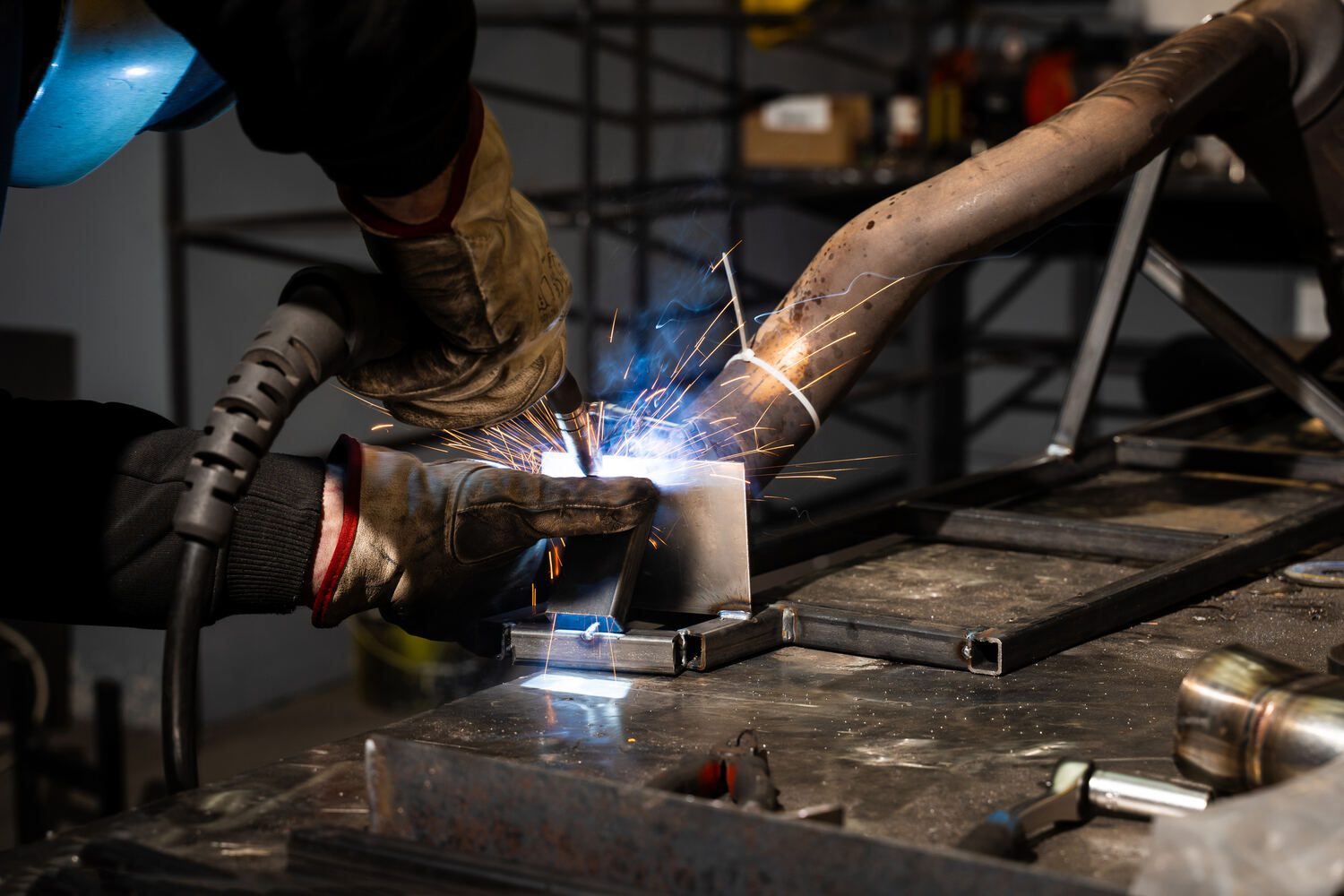
Boilermakers are essential to maintaining and constructing mining infrastructure. Their duties may include:
- Fabrication work
- Structural repairs
- Welding and metalwork
- Shutdown maintenance projects
Because many sites operate large processing plants and heavy equipment, boilermakers remain highly valued across the FIFO sector. Shutdown work is where boilermakers can really rack up the hours and push into the higher salary brackets, since shutdowns often involve overtime and penalty rates on top of your base.
A Certificate III in Engineering (Fabrication Trade) is the standard entry requirement, and having multiple welding tickets adds real value to your resume. If you can handle working in confined spaces and at heights, make sure those tickets are current too since most sites will ask for them.
5. Trades Assistant
Average FIFO salary: $85,000-$130,000 per year
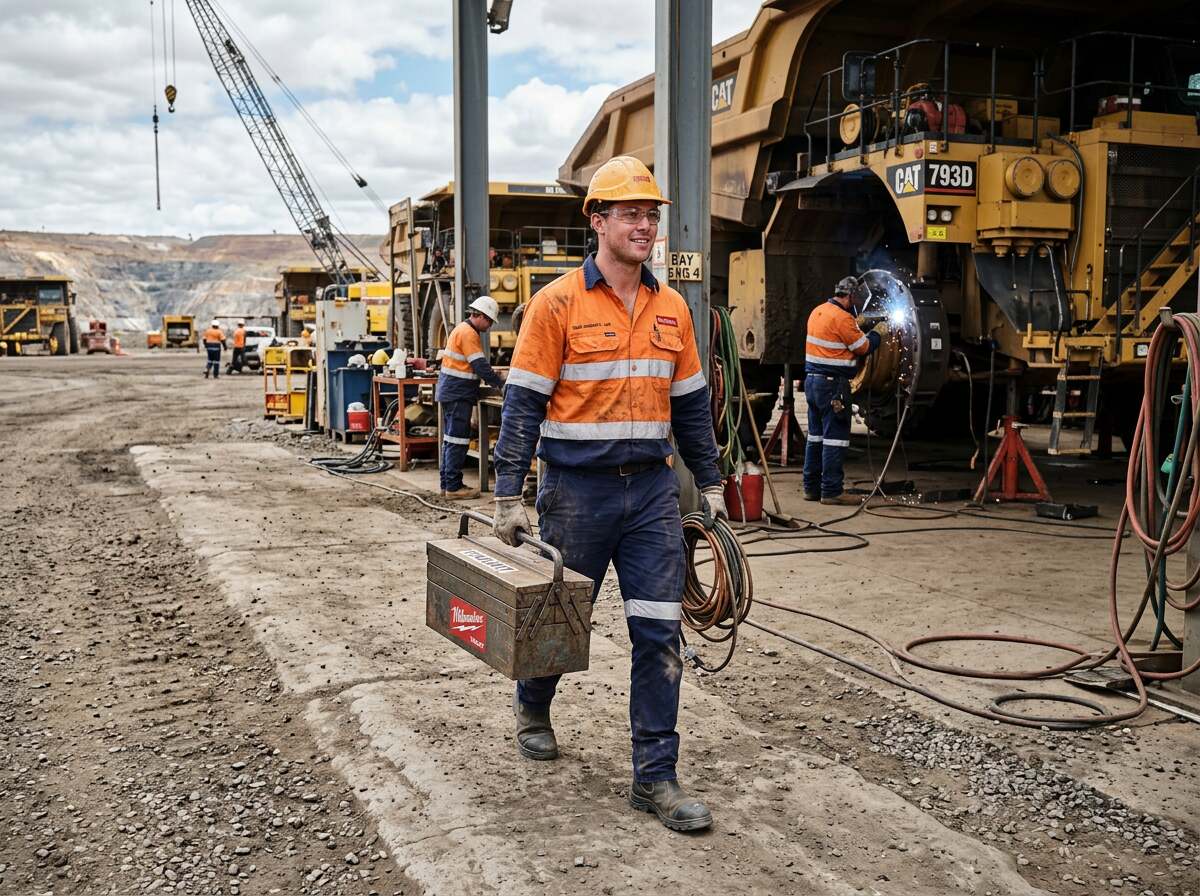
For workers looking to enter the industry, trades assistant roles can provide an excellent starting point. Trades assistants support qualified workers by:
- Preparing tools and equipment
- Assisting with maintenance tasks
- Cleaning work areas
- Handling materials
Many FIFO workers have used trades assistant positions as a pathway into apprenticeships or specialised trade careers. You don’t need formal trade qualifications to get started, which makes this one of the most accessible entry points into FIFO work.
A White Card, valid driver’s licence, and a solid work ethic are usually enough to get your foot in the door. Once you’re on site and proving yourself, it’s not uncommon to get sponsored into an apprenticeship or move into a more specialised role within a year or two.
6. Utility Worker
Average FIFO salary: $75,000-$110,000 per year
Utility workers help keep remote mining camps operating smoothly. Typical duties can include:
- Housekeeping
- Kitchen support
- Laundry services
- Cleaning and maintenance
While not directly involved in mining operations, utility workers are crucial to site operations and often provide one of the most accessible entry points into FIFO employment. Utility positions are regularly advertised across WA mining camps.
No prior mining experience is needed, which makes this a solid option if you’re trying to break into the FIFO lifestyle for the first time. The real advantage here is that you’re living on site and getting a firsthand look at how mining operations work, which can help you figure out which direction you want to take your career from there.
Many people who started in utility roles have gone on to move into trades assistant or operator positions once they got some time on site.
7. Environmental Advisor
Average FIFO salary: $120,000-$180,000 per year
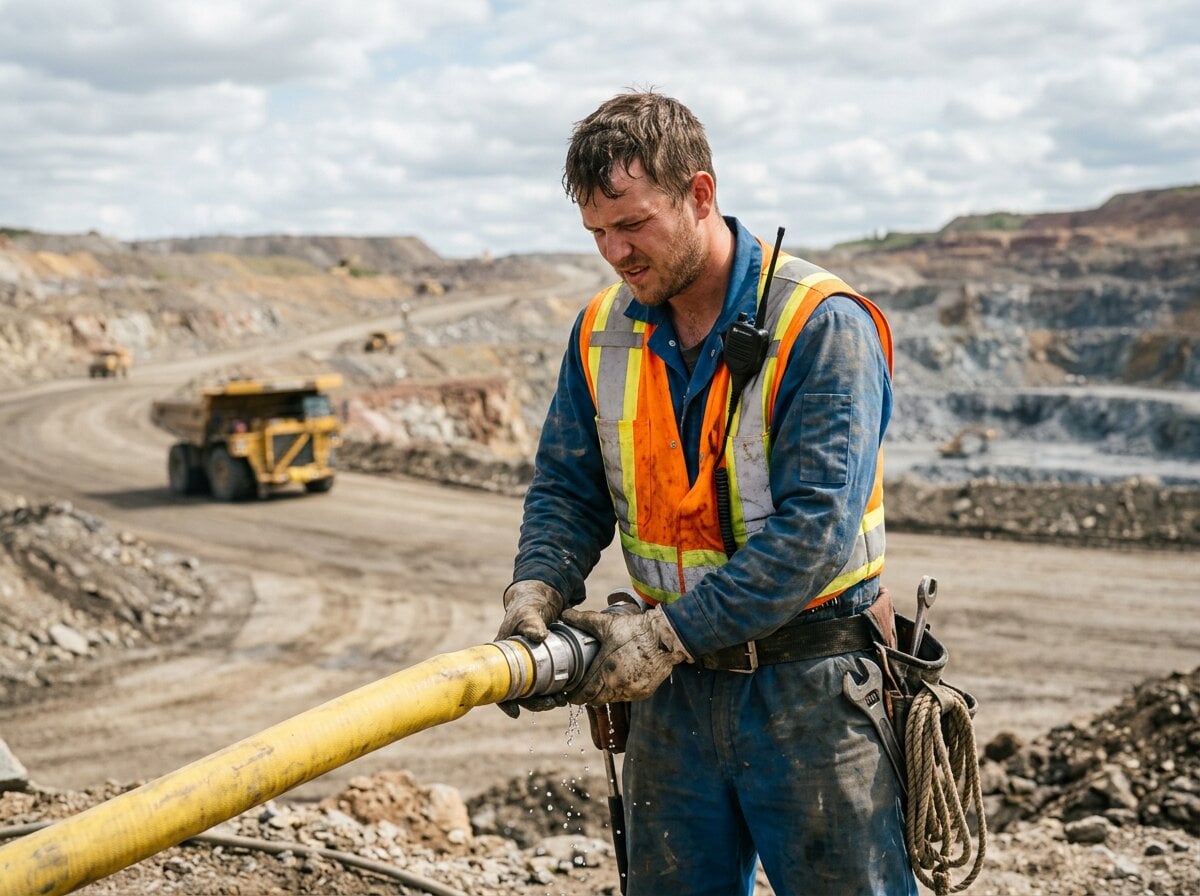
As environmental compliance requirements continue to grow, environmental advisors have become increasingly important across mining and energy projects. Their responsibilities often include:
- Environmental monitoring
- Regulatory compliance
- Site inspections
- Rehabilitation planning
- Sustainability initiatives
These roles suit professionals with environmental science or related qualifications who want to work in the resources sector. A degree in environmental science, environmental management, or a related field is pretty much the baseline for getting hired here.
Most companies also want to see some hands-on experience with regulatory reporting and an understanding of state environmental legislation, particularly around land and water management. As WA’s mining sector faces increasing scrutiny around its environmental footprint, demand for qualified advisors is only going to keep growing.
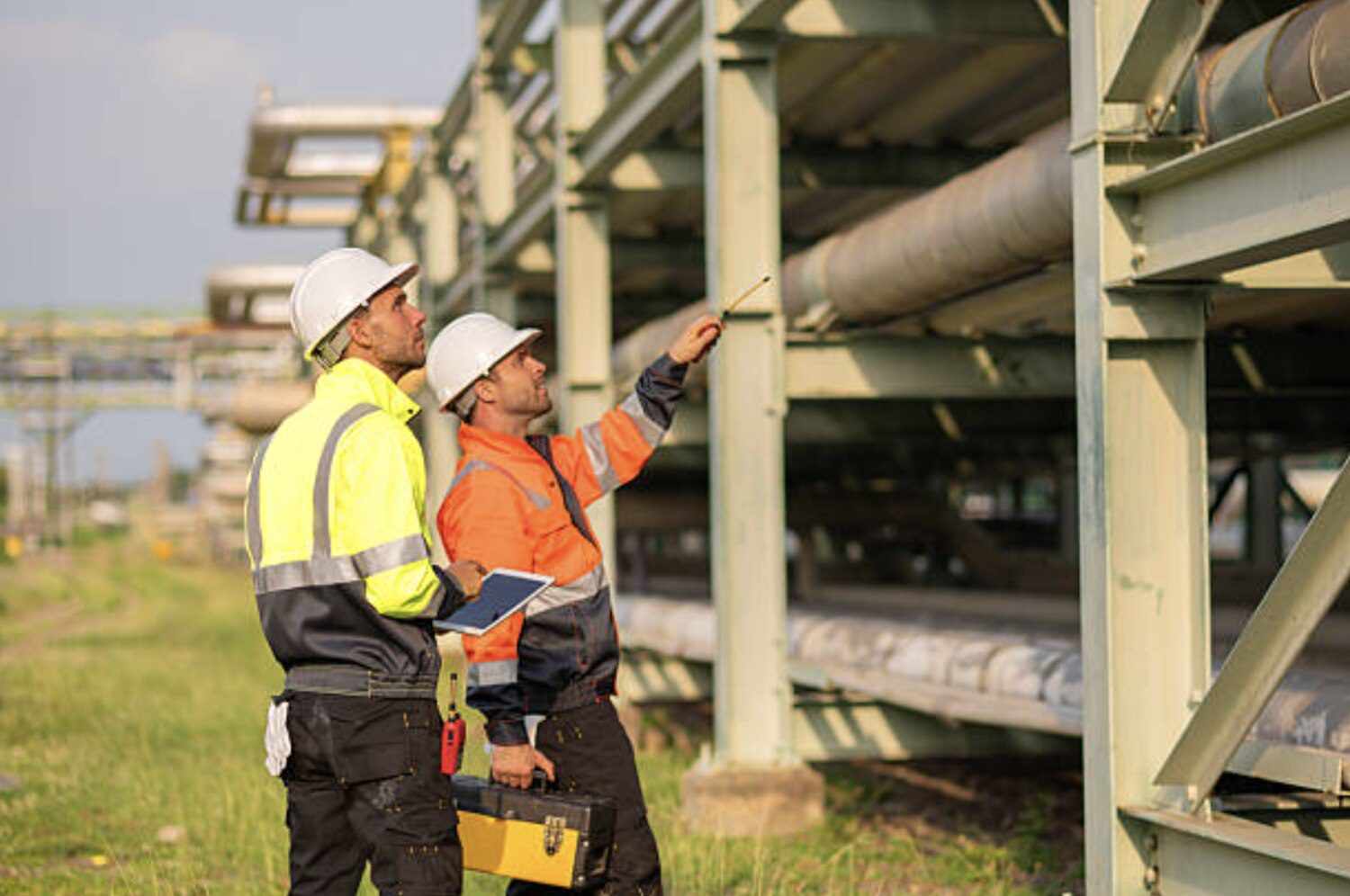
8. Surveyor
Average FIFO salary: $120,000-$190,000 per year
Surveyors help mining companies accurately map and measure mine sites. Their work supports:
- Mine planning
- Resource extraction
- Infrastructure development
- Site expansion projects
Advances in technology, including drone surveying and GPS systems, have made surveying one of the more specialised and rewarding FIFO career paths. You’ll generally need a degree in surveying or spatial science, along with registration as a licensed surveyor in WA for certain work.
Getting comfortable with software like Leica Geo Office or AutoCAD is pretty much a given in this field. If you can add drone operation and photogrammetry skills to your resume, you’ll stand out in a field that’s moving fast toward tech-driven solutions.

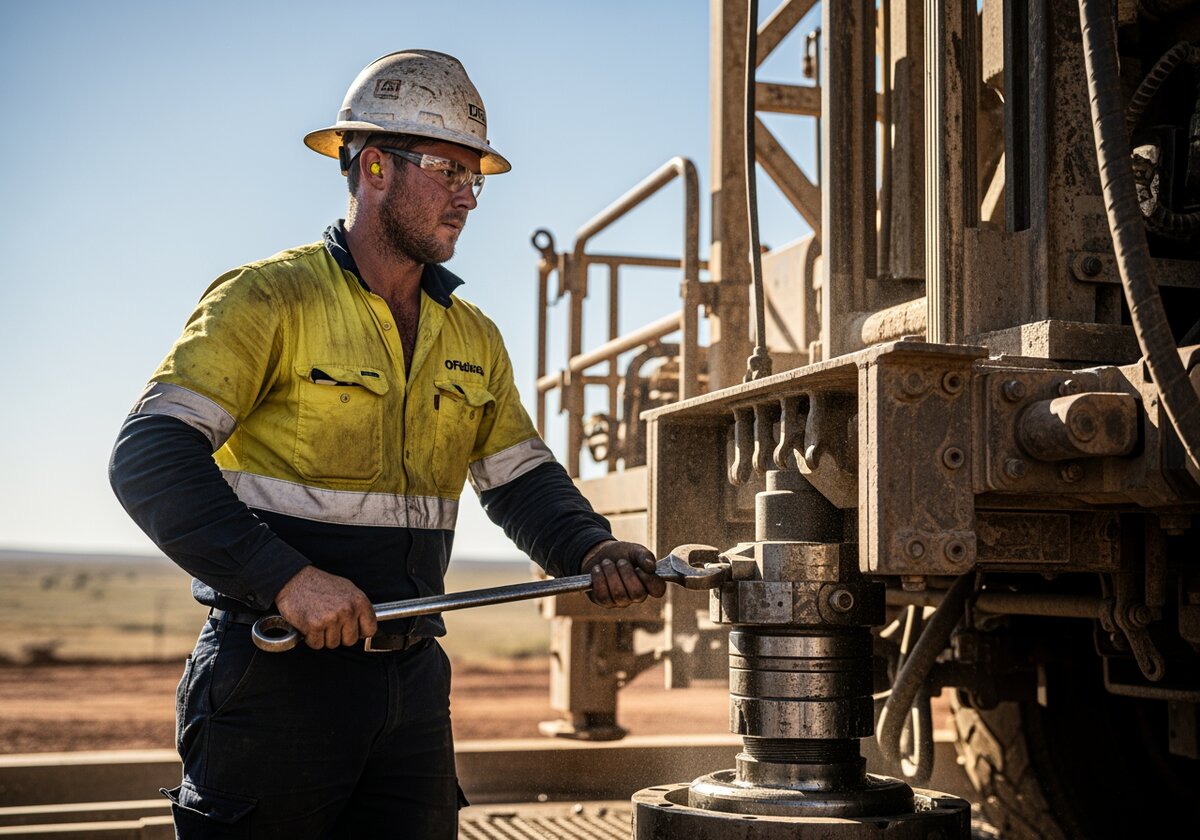
9. Driller’s Offsider
Average FIFO salary: $100,000-$140,000 per year
Driller’s offsider roles are often promoted as one of the most common entry-level FIFO jobs in WA. The role typically involves:
- Assisting drill operators
- Handling drilling equipment
- Conducting maintenance
- Supporting exploration activities
The work is physically demanding, but it can provide an excellent introduction to the mining industry and often leads to advancement opportunities. This is one of the few FIFO roles where you can genuinely start with no experience and work your way up quickly.
Most employers just want to see a valid driver’s licence, a White Card, and proof you can handle hard physical work. Put in the time as an offsider, show you’re reliable, and most drill companies will put you through your driller’s ticket within a couple of years.
10. Safety Advisor
Average FIFO salary: $130,000–$200,000+ per year
Workplace safety is a major focus across all resource and construction projects. Safety advisors help ensure sites comply with workplace health and safety requirements by:
- Conducting inspections
- Delivering safety training
- Investigating incidents
- Monitoring compliance
For individuals with WHS qualifications and industry experience, FIFO safety roles can offer excellent career opportunities. A Certificate IV in Work Health and Safety is the minimum most employers look for, though a Diploma of WHS will give you access to senior roles and push you toward the top of the salary range.
Hands-on experience in a high-risk industry like construction or mining carries a lot of weight here, since employers want someone who actually knows what site work looks like, not just the theory behind it. If you’re currently working in construction and thinking about a career shift, transitioning into a safety role is one of the more natural moves you can make.

Why FIFO jobs in WA Are Popular
FIFO careers pull in workers from all over Australia. You see, the money is good, the lifestyle suits a lot of people, and the work keeps coming.
The pay is the obvious advantage. Even entry-level camp and support roles can crack six figures once you factor in the roster and conditions. Experienced tradies and operators often earn well above what they’d make doing the same work in the city.
And here’s the part people don’t always think about upfront: most employers cover your flights, accommodation, meals, and site transport. Your biggest day-to-day expenses are basically gone while you’re on rotation, so a huge chunk of what you earn actually stays in your pocket.
Beyond the money, a lot of people use FIFO as a stepping stone. You get on site, prove yourself, and the doors to higher-paying trades, supervisor roles, and specialist positions start opening up pretty quickly. It’s one of the faster ways to move up in a trade career if you’re willing to put in the time away from home.
The demand side of things helps too. WA’s resources sector is one of the biggest employers in the country and it’s not slowing down. Iron ore, gold, lithium, energy projects, there’s always something going on, and that means the need for skilled workers stays strong across both mining and construction.
How to Get a FIFO Job in WA
Breaking into FIFO work is often easier when you focus on obtaining the right qualifications and demonstrating a strong commitment to safety.
1. Get your White Card
A White Card is required for construction work, including construction activities at a mine. It is not a universal legal requirement for all mining, camp or FIFO roles. Confirm the duties and employer’s induction requirements.
Many FIFO employers either require or strongly prefer applicants who already hold a White Card.
2. Build Relevant Skills
The more tickets you hold, the better your chances. Depending on the role you’re going for, qualifications like Working at Heights, Confined Space Entry, a Forklift Licence, Heavy Vehicle Licences, or a trade cert can make a real difference when employers are comparing applicants.
Even one or two extra tickets on top of your White Card can set you apart from the competition.
3. Gain Transferable Experience
You don’t need a mining background to land your first FIFO role. Employers regularly hire people coming out of construction, transport, manufacturing, warehousing, agriculture, and defence.
If you’ve worked in any of these fields, you’ve likely picked up skills that translate well to site work. Lead with those when you apply and make it easy for the hiring manager to see why you’re a good fit.
4. Apply Through Major Employers and Recruiters
Many FIFO jobs in WA are advertised through mining companies, labour hire firms, specialist recruitment agencies and dedicated resource sector job boards.
It’s worth checking multiple sources regularly, as new opportunities can appear daily and competition for entry-level roles is often strong.
Persistence pays off, and many successful FIFO workers secure their first role after applying for several positions and building up the right qualifications and tickets.
5. Demonstrate a Strong Safety Mindset
FIFO employers place a strong emphasis on safety and want workers who can follow procedures, communicate clearly, work effectively as part of a team and recognise potential workplace hazards.
Demonstrating a proactive approach to safety through relevant training and certifications can give you an advantage when applying for FIFO roles and help you stand out from other candidates.
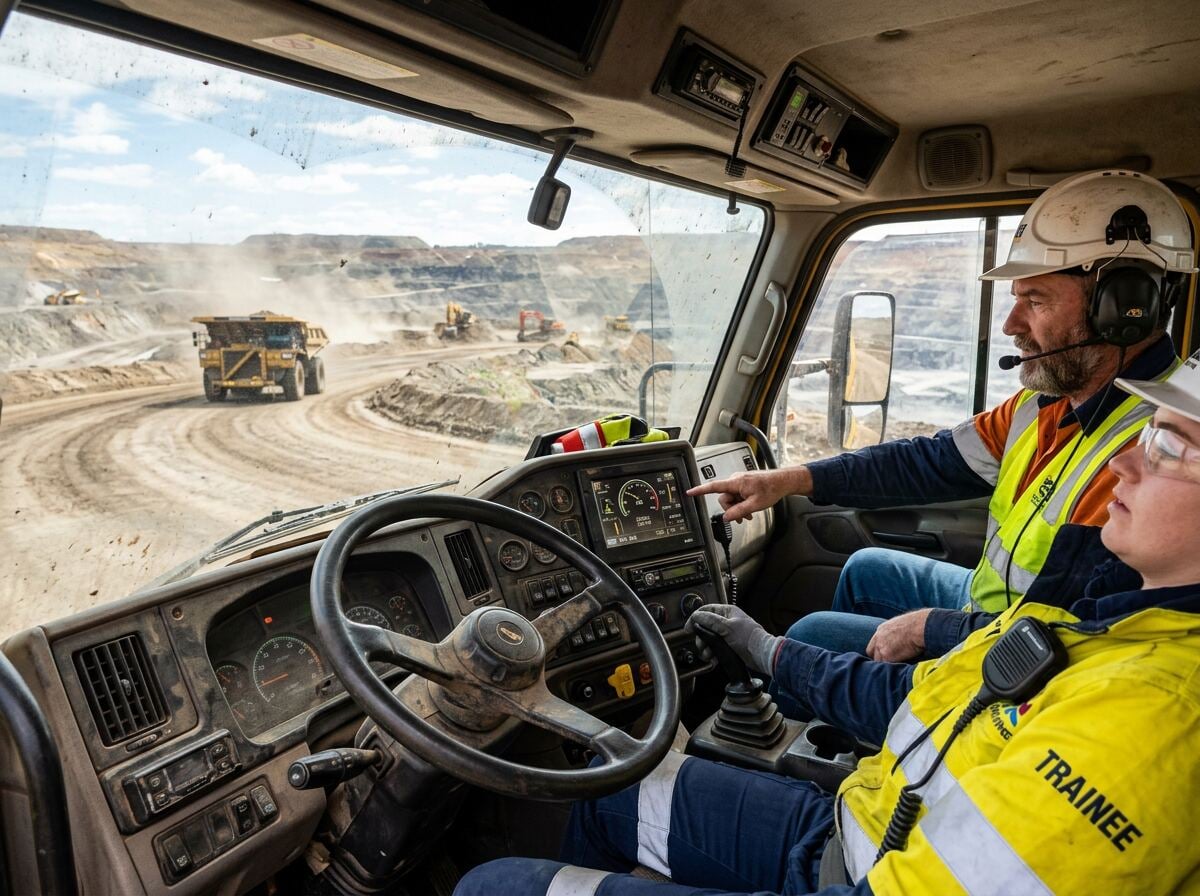
Is FIFO Work Right for You?
While FIFO work offers many advantages, it’s important to understand that the lifestyle comes with its own challenges.
Workers are often required to complete long shifts in remote locations and spend significant time away from home.
However, for people who enjoy structured routines, challenging work and the opportunity to earn a strong income while building a long-term career, FIFO jobs in WA can be both financially and professionally rewarding.
Note that FIFO roles are just as common flying out of Queensland, so do compare options there too.
Frequently Asked Questions
What does a typical FIFO roster look like?
Rosters vary depending on the employer and the site, but the most common setup in WA is 2 weeks on, 1 week off. Some roles run on longer rotations like 4 weeks on, 1 week off, particularly for remote or offshore projects.
The roster you end up on usually depends on the type of role and how far the site is from the nearest major city. It’s worth asking about roster arrangements before you accept any offer, since it directly affects your time at home.
Do FIFO workers get taxed differently?
FIFO work does not automatically create a special tax rate or entitlement to the Zone Tax Offset. The offset generally depends on your usual residence being in an eligible zone and meeting the other rules. Working temporarily in a remote zone while living elsewhere generally does not qualify. Check ATO guidance or a registered tax agent for your circumstances.
Is drug and alcohol testing common on FIFO sites?
Yes, and it’s taken seriously. Most WA mining and construction sites have strict drug and alcohol policies and conduct both random and pre-employment testing. Some sites use zero-tolerance policies, meaning any positive test result can get you stood down or dismissed on the spot. If you’re planning to go for FIFO work, it’s something to be aware of well before your start date.
Can you get FIFO work if you're not an Australian citizen or permanent resident?
Potentially, if your visa permits the work and you meet the role’s requirements. Check VEVO and Home Affairs. Working holiday visas generally have a six-month same-employer limit unless an exemption or permission applies; student visas can have fortnightly work-hour limits. These are different conditions. A White Card does not grant work rights.
What's the difference between working directly for a mining company versus going through a labour hire firm?
Direct employment usually comes with better job security, more consistent rosters, and access to company benefits like training programs and career pathways. Labour hire means you’re employed by a recruitment agency and placed on site, which can be easier to break into but sometimes comes with less stability and fewer entitlements.
For most people trying to get their first FIFO role, labour hire is often the faster way in. Once you’ve got some site experience behind you, moving into a direct role becomes a lot easier.
Enrol in a Legitimate White Card Course