
Key Takeaways
- Most plumbers need a White Card before working on Australian construction sites.
- Plumbing apprentices are expected to complete White Card training before starting work.
- A White Card covers construction safety awareness rather than plumbing skills.
- The training can usually be completed in a single day through a recognised training provider.
- Holding a White Card gives plumbers access to a broader range of employment opportunities across the construction industry.
If you’re a qualified plumber, apprentice, gas fitter or drain specialist, a White Card is a legal requirement before you can enter most Australian construction sites. It shows that you know how to work safely around common site hazards, and that helps to protect both yourself and those working around you.
Many people entering the plumbing industry aren’t sure about White Card requirements, particularly if they’re starting an apprenticeship, moving into commercial construction or changing employers.
In most cases, anyone carrying out plumbing work on an active construction site in Australia must hold a valid White Card before they can begin work, including plumbers. Here’s everything you need to know.
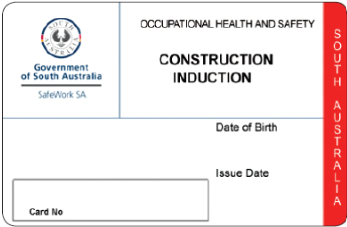
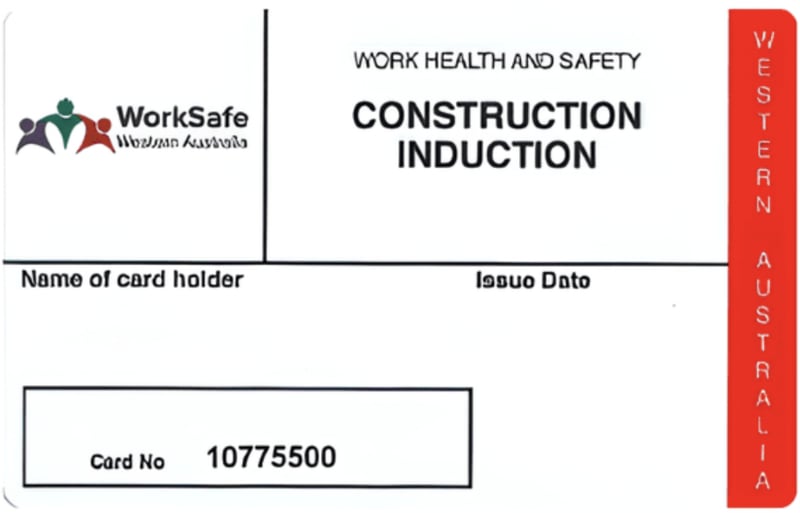
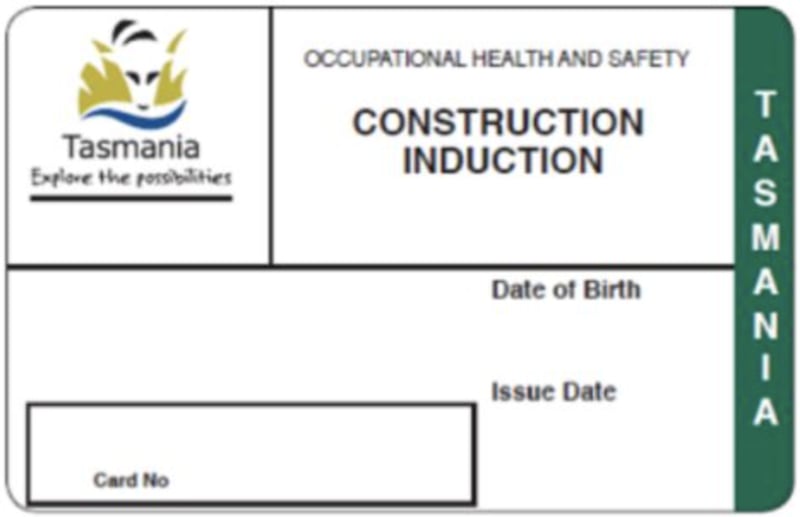
Select Your State
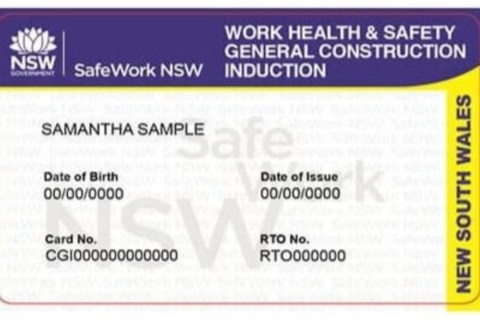
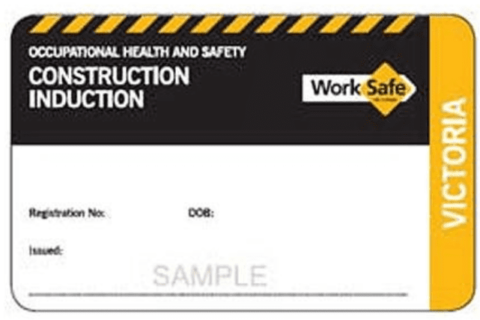
You must complete your White Card course in the state where you live. Please select the state you live in below.


Why Do Plumbers Need a White Card?
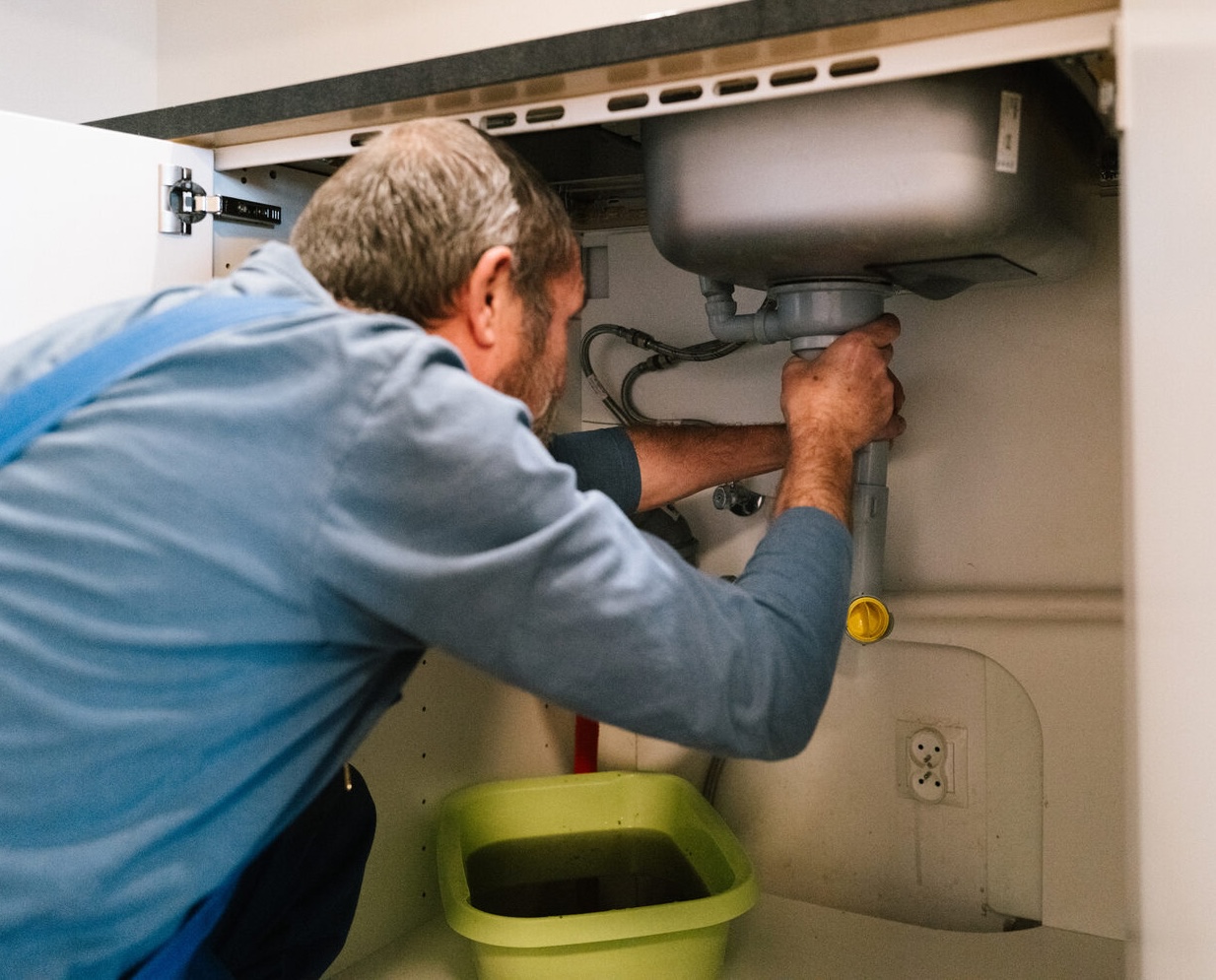
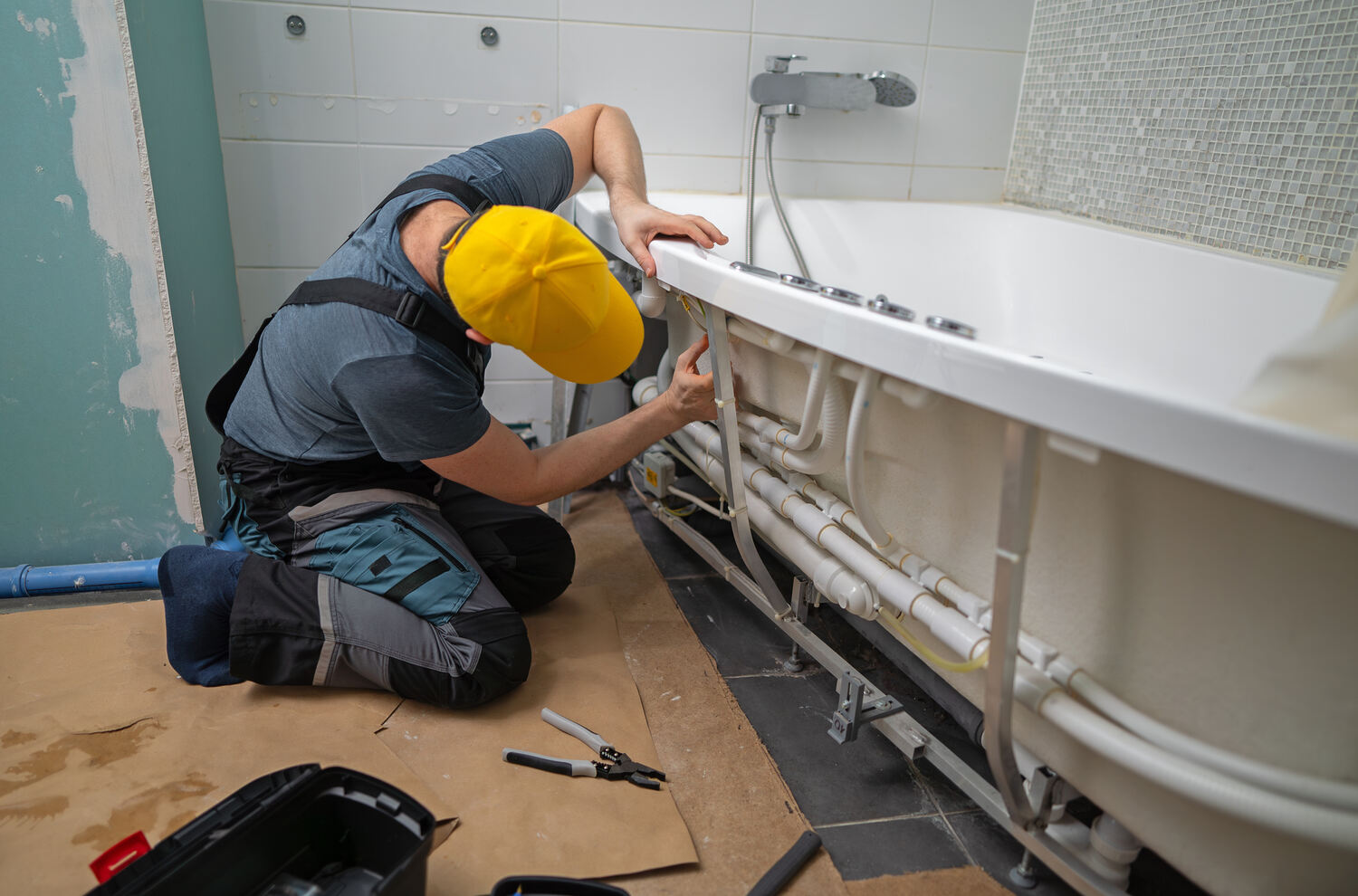
Plumbers are among the many tradespeople working throughout Australia’s construction industry, regularly attending active construction sites during residential, commercial and civil projects.
These environments present a wide range of hazards, from moving machinery and electrical risks to working at heights, excavations and hazardous materials. Before anyone can access these sites, they need to understand the basic health and safety principles that help keep everyone safe.
A White Card provides that foundation. It demonstrates you’ve completed nationally recognised construction induction training and understand your responsibilities under Australian workplace health and safety laws.
For builders and principal contractors, checking that workers hold a valid White Card is an important part of meeting their legal obligations.
When is a White Card Required?
Whether you need a White Card depends less on your occupation and more on where you’re working.
If you’re carrying out plumbing work on an active construction site, you’ll almost certainly need one. This includes work on new residential homes, commercial developments, industrial projects, civil construction and major renovations where building work is taking place.
If you’re only undertaking maintenance or repair work in existing homes or businesses where there is no construction activity, a White Card may not be legally required. However, many plumbing companies encourage all employees to obtain one so they can work across a wider variety of jobs without restrictions.
Do Plumbing Apprentices Need a White Card?
Yes. In fact, obtaining a White Card is often one of the first steps for someone starting a plumbing apprenticeship.
Most employers will expect apprentices to have completed White Card training before attending their first construction site. Having your White Card means you can begin gaining valuable on-site experience straight away while meeting workplace safety requirements.

What Do Plumbers Learn During White Card Training?
A White Card course doesn’t teach plumbing skills. Instead, it focuses on the safety knowledge needed by everyone working in the construction industry.
During the course, participants learn how to identify common construction hazards, manage risks, use personal protective equipment correctly and follow safe work practices. The training also covers workplace health and safety responsibilities, emergency procedures and how to report hazards or unsafe behaviour on site.
These skills help reduce workplace injuries and ensure every worker understands how to contribute to a safer construction environment.
Can Plumbers Work Without a White Card?
No, you normally can’t work without one. Without a valid White Card, you may be refused entry to site by the principal contractor or employer. This can delay projects, affect your employment opportunities and place employers at risk of breaching workplace health and safety obligations.
For anyone planning a long-term career in plumbing, obtaining a White Card is a straightforward way to ensure you’re ready to work wherever there’s an opportunity.

How Long Does it Take to Get a White Card?
One of the advantages of White Card training is that it can usually be completed in a single day. Most courses take between five and eight hours, although the delivery method varies between states and territories.
After successfully completing the course, you’ll receive documentation confirming you’ve met the training requirements before your official White Card is issued.
Is a White Card Valid Throughout Australia?
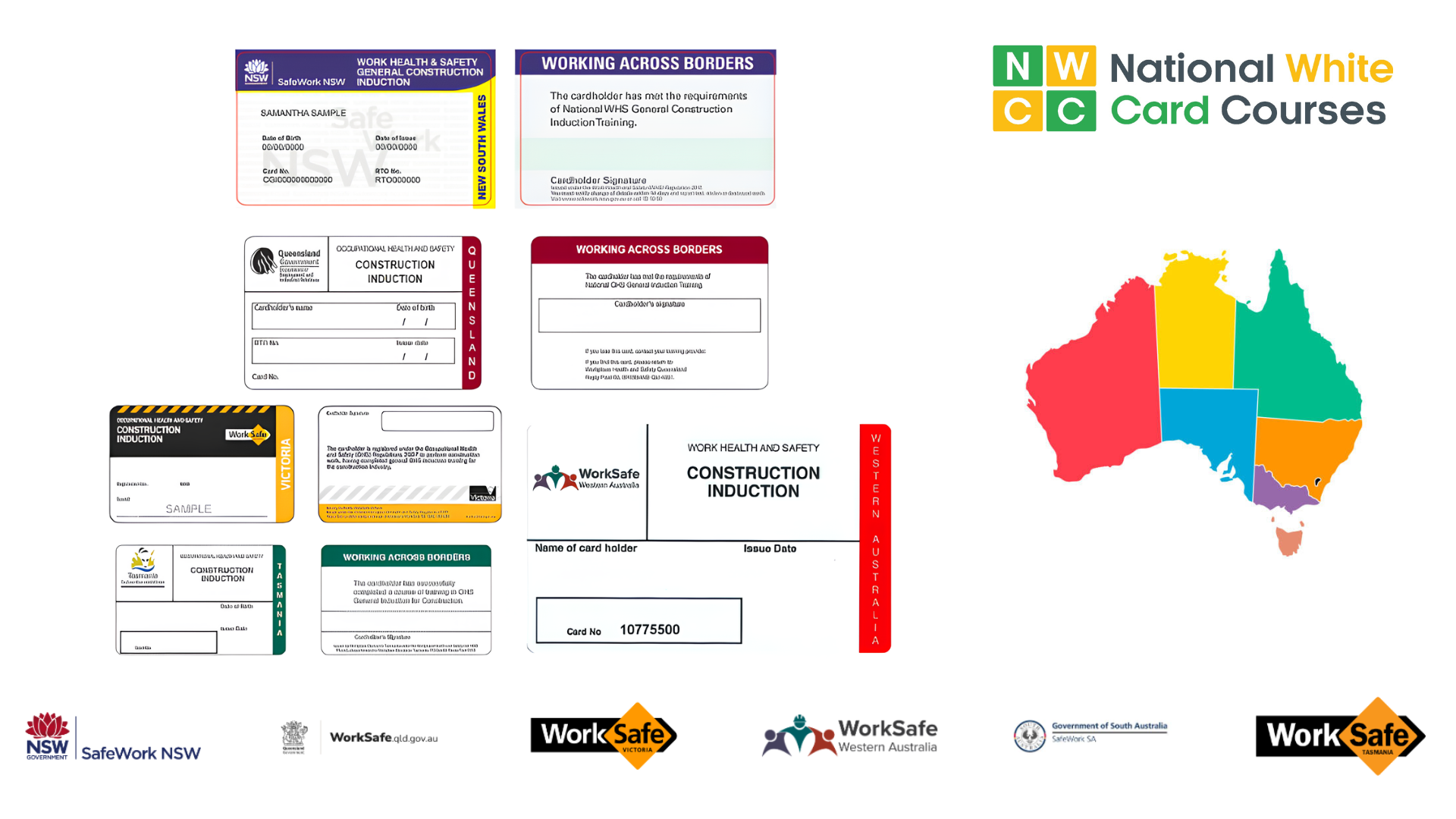
In most cases, yes. A White Card issued by a recognised Registered Training Organisation (RTO) is accepted across Australia, making it easier for plumbers who move interstate for work.
However, each state and territory sets its own rules about how White Card training can be delivered. Some jurisdictions allow online training, while others require face-to-face attendance, so it’s important to choose a course that complies with the requirements in your state.
What Other Qualifications do Plumbers Need?
A White Card is only one part of working as a plumber. Depending on your role, you may also need plumbing registration or licensing, gas fitting accreditation, confined space or working at heights training, and first aid certification.
The specific qualifications required will depend on the type of plumbing work you perform and the regulations in your state or territory.
Frequently Asked Questions
Does a White Card need to be renewed for plumbers?
No. Unlike a plumbing licence or first aid certificate, a White Card doesn’t expire and doesn’t need to be renewed. Once you’ve completed the training and received your card, it’s valid for life. The only reason you’d need to do anything further is if you lost the card and needed a replacement, which you’d apply for through the relevant state regulator.
Can a plumber be fined for entering a construction site without a White Card?
Yes. Under WHS legislation, entering an active construction site without a White Card can result in fines for both the worker and the employer. Principal contractors who allow workers onto site without the required induction training also face penalties, which can be significant. The exact amounts vary by state, but the consequences for employers are generally more serious than for individual workers.
Does a White Card cover plumbers working in confined spaces?
No. A White Card covers general construction site safety but doesn’t include confined space training.
Plumbers who regularly work in confined spaces, such as sewers, tanks or underground pits, need to complete a separate confined spaces course. Both qualifications are often required at the same time for plumbers working on civil or infrastructure projects.
How does a plumber replace a lost or damaged White Card?
The process varies slightly by state, but generally you’ll need to contact the regulator in the state where you completed your original training. In most cases you can apply for a replacement online by providing proof of identity and your original training details. Some states charge a small replacement fee. If you can’t remember which RTO issued your card, your training records may be accessible through the national training system via your USI account.
Do overseas plumbers working in Australia need a White Card?
Yes. A White Card is required regardless of where you trained or where you’re from. International plumbers working in Australia on any type of visa need to complete Australian White Card training through a registered RTO before entering a construction site. Overseas construction safety qualifications aren’t recognised as an equivalent. The good news is the course can usually be completed in a single day, so it’s one of the quickest boxes to tick when getting set up to work in Australia.
Enrol in a Construction White Card Course Near You
