Key Takeaways
- In many cases, you do need a White Card for traffic control work, particularly when working on road construction, civil works, infrastructure projects, or active construction sites.
- A White Card helps traffic controllers understand construction site safety, workplace hazards, PPE requirements, emergency procedures, and WHS responsibilities.
- Many employers advertising White Card traffic control jobs require both traffic management qualifications and a valid White Card before allowing workers onto site.
- Traffic control work conducted outside construction environments, such as school crossings or event traffic management, may not legally require a White Card, although employers often still prefer applicants who hold one.
If you want to work in traffic control, you might not realise getting a job often involves more than simply completing a traffic control course. While traffic management training is essential, many employers also require additional certifications before allowing workers onto roadwork, civil construction, or infrastructure sites.
And one of the most commonly requested qualifications is a White Card. In many cases, traffic controllers work in active construction environments, meaning employers need workers who understand construction site safety, workplace hazards, and WHS responsibilities.
In this article, we look at when a White Card is required for traffic control work, why employers often ask for one, and how holding a White Card can open the door to a wider range of traffic control employment opportunities across Australia.
Select Your State
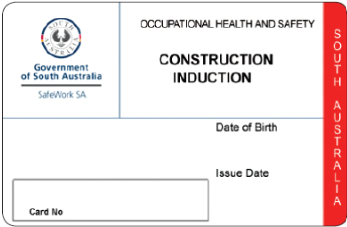
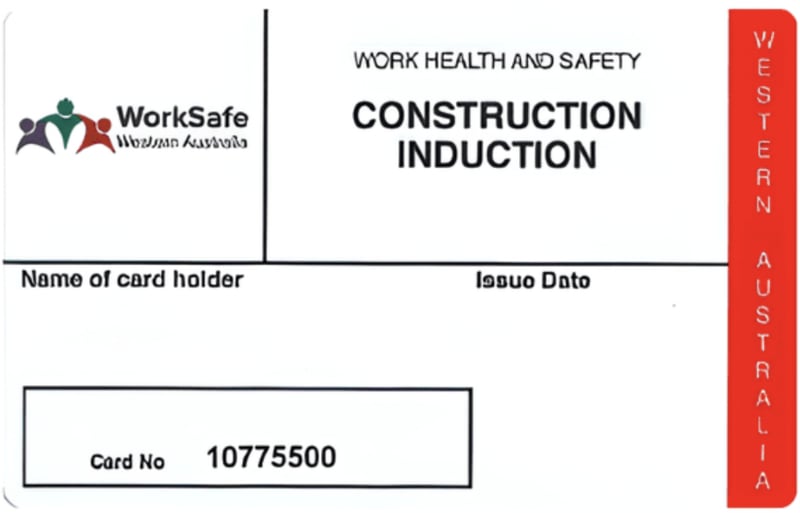
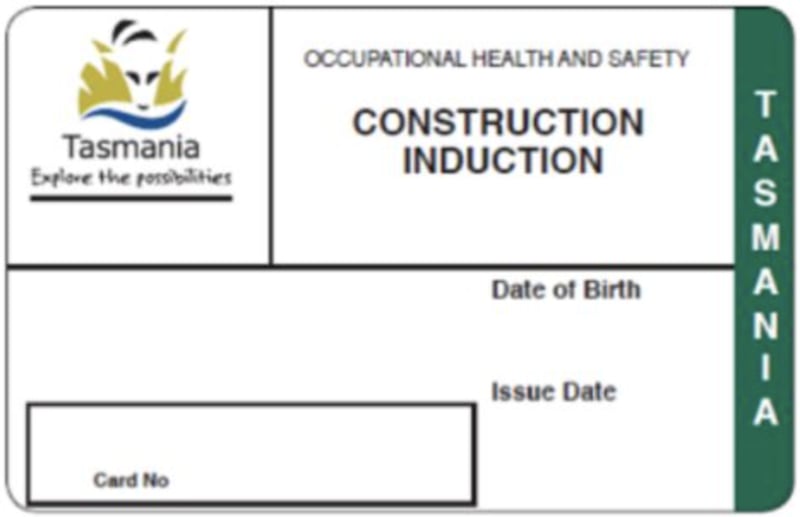
You must complete your White Card course in the state where you live. Please select the state you live in below.


Is a White Card Legally Required for Traffic Control?
Whether or not a White Card is legally required depends on the type of traffic control work you’re doing.
It also depends on the level of risk involved in the job, the specific site conditions you’re operating in, and where you’re working, as different states, councils, and work environments may have their own requirements, standards, and compliance expectations.
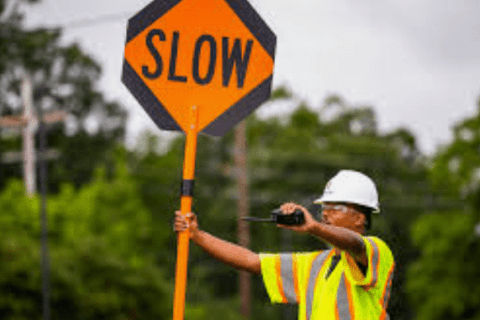
Situations Where you Need a White Card
You will generally need a White Card if:
- you work on road construction projects
- you enter active civil construction sites
- you work around construction workers or heavy plant
- you access operational work zones
- you direct vehicles entering or leaving construction areas
If the traffic control role involves entering a construction site, the White Card requirement usually applies.
Situations Where You May Not Need One
There are some traffic control roles outside construction environments where a White Card may not be mandatory.
For example:
- school crossings
- event traffic management
- private venue traffic marshalling
- car park management
However, many employers still prefer applicants who already hold a White Card because it demonstrates basic WHS knowledge and broadens where you can legally work.
Why Do You Need a White Card for Traffic Control?
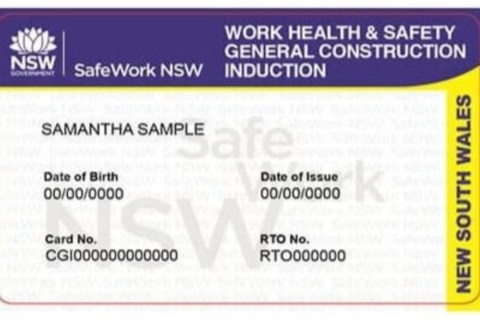
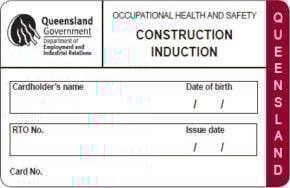
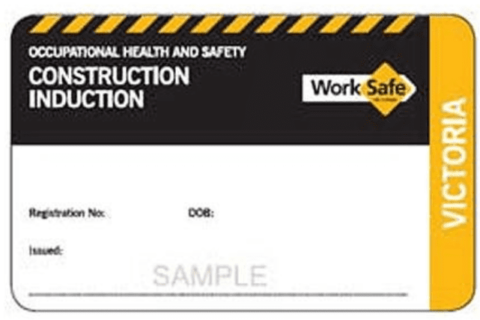
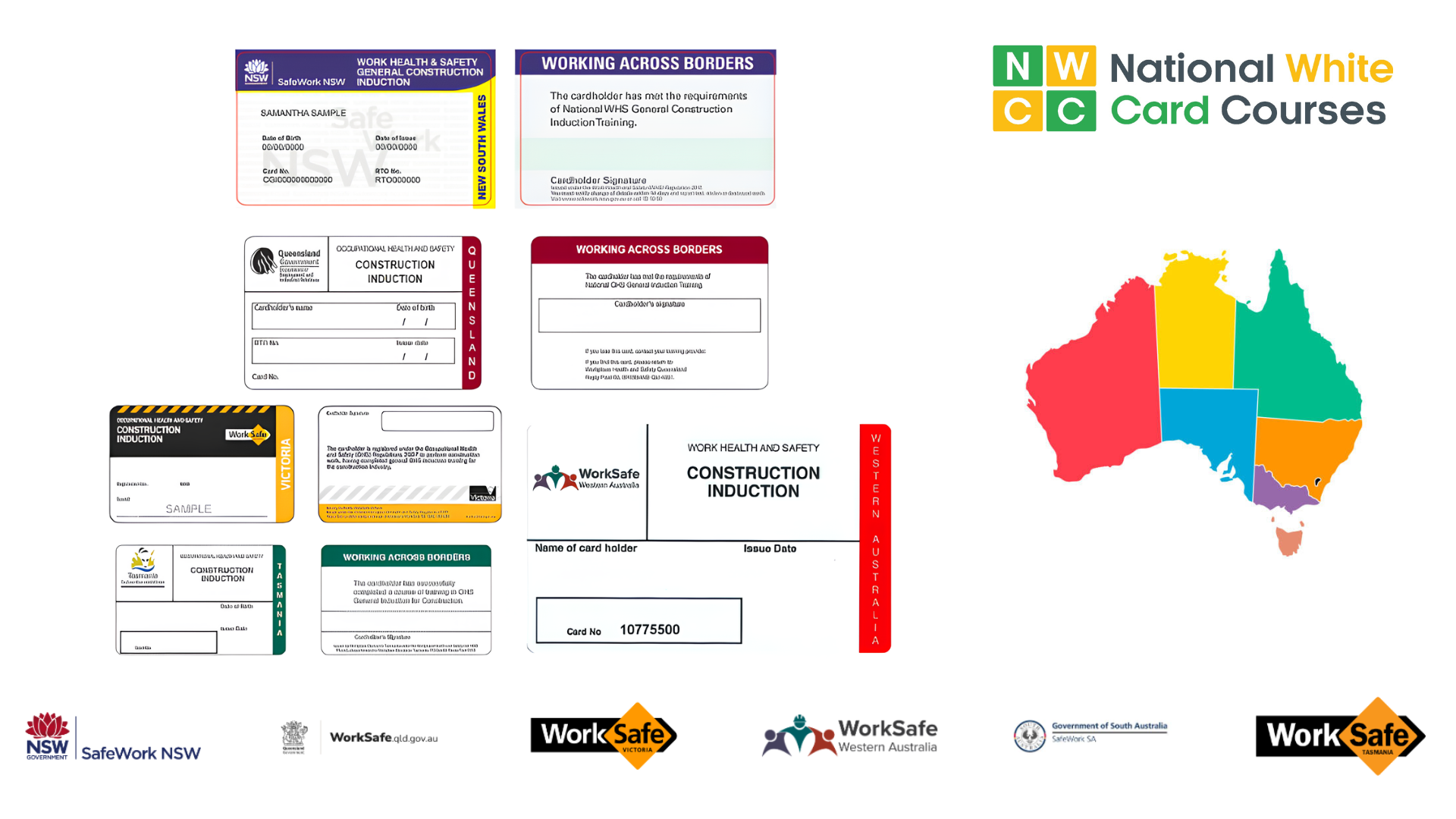
A White Card, officially known as a General Construction Induction Card, is a nationally recognised certification required for workers entering Australian construction sites. While many people associate the White Card with builders and tradies, it is also commonly required for traffic controllers because of the environments they work in every day.
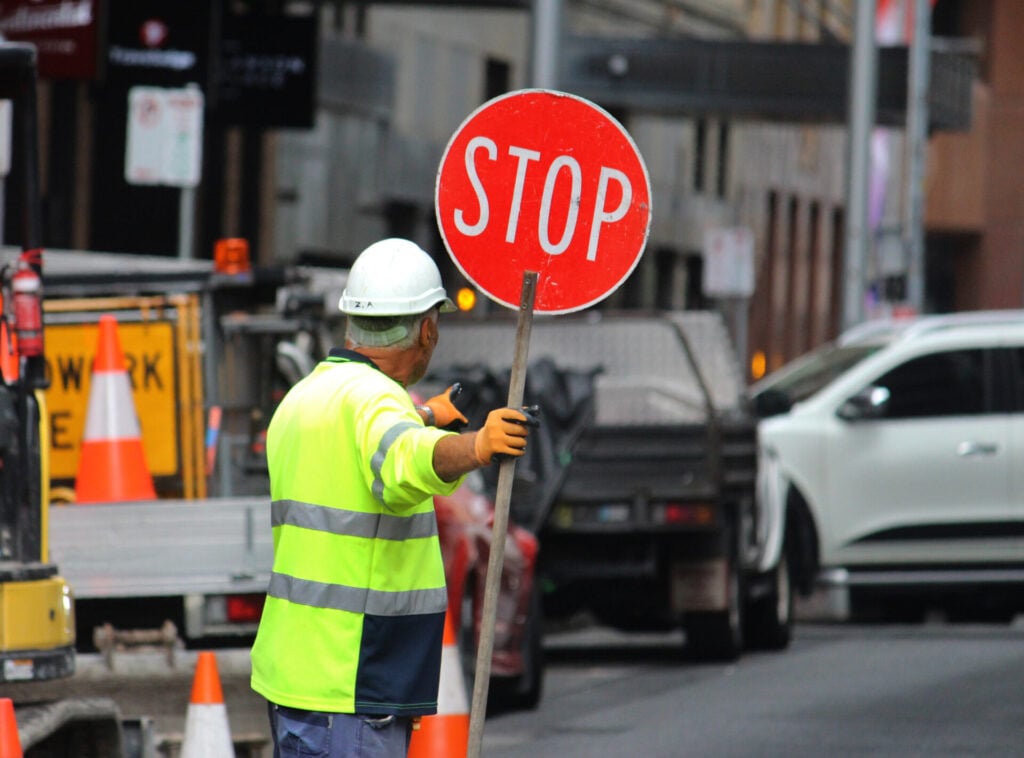
Traffic controllers commonly work around roadworks, civil construction sites, excavation zones, infrastructure upgrades, and heavy machinery. Because these environments are often classified as active construction workplaces, workers are typically expected to have completed construction induction training.
As a result, many labour hire companies, civil contractors, and roadwork employers now list the White Card as a mandatory requirement for traffic control jobs, even when applicants already hold separate traffic management qualifications.
What Other Qualifications Do Traffic Controllers Need?
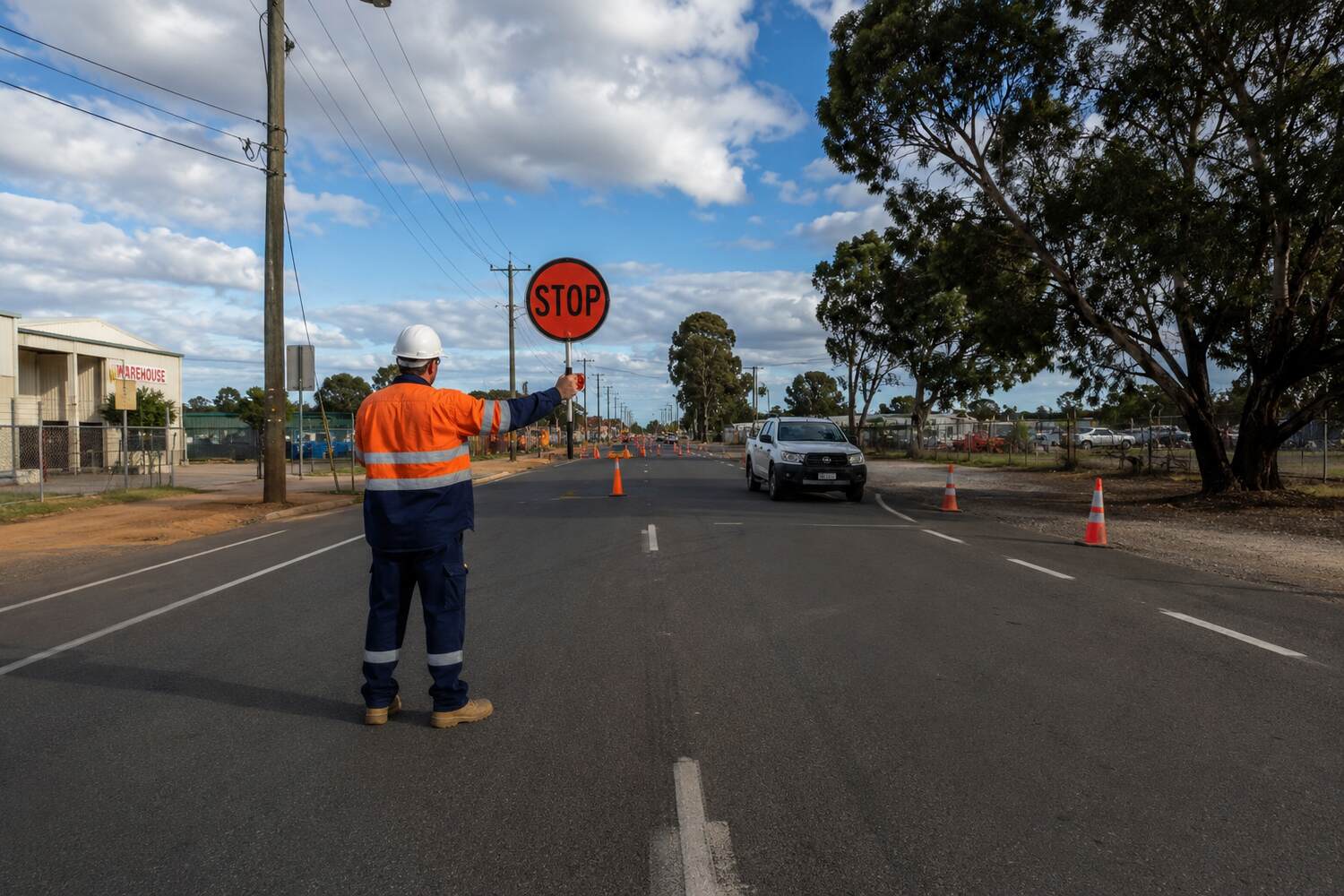
A White Card alone does not qualify someone to work in traffic control.
Traffic controllers must also complete specific traffic management training courses approved in their state or territory.
Depending on the state, these may include units such as:
- traffic controller
- implement traffic management plans
- traffic management designer
- prepare work zone traffic management plans
In NSW, workers must hold a SafeWork NSW Traffic Control Work Training Card to legally perform traffic control duties on or adjacent to public roads, particularly since most roadworks are in Sydney CBD.
Other states have similar requirements administered through state safety authorities or approved registered training organisations (RTOs).
How Much Does a White Card Cost?
White Card course costs vary depending on the provider and the state where you complete the training.
In 2026, most White Card courses in Australia generally range between $80 and $150. These are the average prices per state:
- Queensland – $99
- New South Wales – $99-$150
- Victoria – $99-$140
- Western Australia – $90-$100
- South Australia – $89-$120
- Tasmania – $99-$130
Pricing differences are usually influenced by:
- state regulations
- whether training is online or face-to-face
- provider fees
- included support services
- card processing fees
Some states, including NSW and Victoria, have stricter face-to-face training requirements, which can increase costs slightly.
How Long Does it Take to Get a White Card?
Most White Card courses take between six and eight hours to complete, and many people complete the training in a single day.
After successful completion, students are typically issued with a Statement of Training or interim certificate while waiting for the physical White Card to arrive.
In the interim, applicants can usually use their statement temporarily until the official card is issued.
How Long Does Traffic Control Training Take?
Traffic control training usually takes longer than the White Card course itself.
Depending on the state and qualification level, traffic management training may take anywhere from two days to one week, especially when practical assessments and supervised workplace components are included.
Some courses also require post-course workplace logbooks or supervised hours before full certification is granted.

Is Traffic Control a Good Career Option?
Traffic control can provide a pathway into the construction and civil industries, particularly for people seeking entry-level work.
The industry often appeals to:
- school leavers
- career changers
- travellers
- construction newcomers
- workers seeking casual or flexible shifts
Traffic controllers are commonly employed on:
- road upgrades
- rail projects
- infrastructure works
- utility maintenance
- large construction projects
Shift work, night work, and weekend work are also common.
While experiences vary, many workers use traffic control as a stepping stone into broader construction, civil, or infrastructure careers.
How to Get Started in Traffic Control
For most people, the process usually looks like this:
- Obtain a White Card
- Complete traffic control training
- Apply for required state traffic control licences or cards
- Gain practical experience
- Apply for traffic control jobs through labour hire companies or contractors
Starting with a White Card is often the easiest first move because it opens the door to both construction labouring and traffic control opportunities.
How White Card Training Helps Traffic Controllers
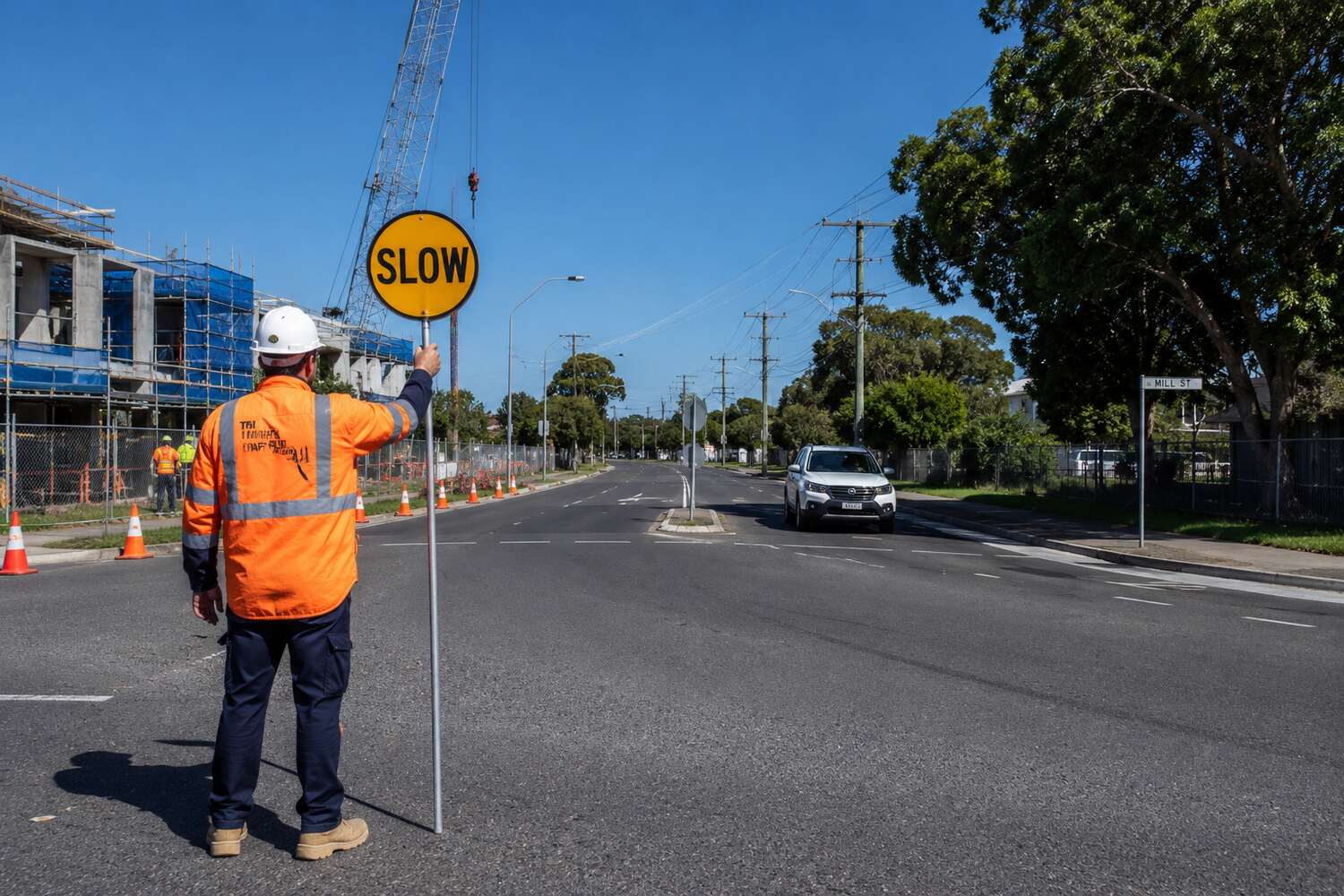
White Card training is designed to prepare workers for the hazards and safety risks commonly found on construction and civil works sites. This is particularly important for traffic controllers, who often work close to moving vehicles, machinery, excavation zones, and live work areas.
The course covers topics such as:
- construction site hazards
- PPE and safety equipment
- emergency procedures
- risk management
- workplace health and safety responsibilities
- incident reporting
- safe work practices
The nationally recognised unit completed during training is CPCWHS1001 – Prepare to work safely in the construction industry, and once issued, the White Card is generally recognised across Australia.
Frequently Asked Questions
Do you need a White Card for traffic control in Australia?
In many cases, yes. Traffic controllers working on road construction, civil works, infrastructure projects, or active construction sites will often need a White Card in addition to traffic management qualifications.
Can you work in traffic control without a White Card?
Some traffic control roles outside construction environments, such as school crossings, event traffic management, or private venue marshalling, may not legally require a White Card. However, many employers still prefer workers who hold one.
Is a White Card legally required for traffic control?
A White Card is generally required whenever traffic control work takes place within an active construction environment. Requirements can vary depending on the state, employer, council regulations, and the type of work being performed.
Can you complete a White Card online?
Online White Card training is permitted in some Australian states. However, the rules vary depending on where you live. In states like Queensland and Western Australia, online delivery is accepted as long as it’s through a registered provider.
Other states may require face-to-face or live trainer-led delivery to meet compliance standards. Before you book, it’s worth checking what your state requires. Not all online courses are created equal, and completing one that isn’t recognised in your state is a waste of time and money.
What jobs can you get with a White Card?
A White Card is your entry point into one of Australia’s biggest industries. Once you have it, you can work across a wide range of construction and civil roles. From general labouring and site assistance to traffic control, roadwork support, and infrastructure projects. It’s also required for roles like scaffolding, demolition, concreting, and formwork. Basically, if the job puts you on or near a construction site, you’ll need one.
Enrol in a White Card Course Near You