


In Short
- High paying construction jobs don’t always require a trade. Many roles in the construction industry are accessible with just a White Card and short tickets, no four-year apprenticeship needed.
-
Entry-level opportunities pay well: From labourers to forklift operators and site admin, you can earn $28–$55/hr starting on site.
- Fast career progression is possible: Completing short courses and additional tickets can quickly move you into higher-paying or supervisory roles.
- White Card training meets one requirement: You must also meet work-rights, site-induction, task-training and licence requirements before starting.
If you’re looking to secure a high paying construction job, chances are you think the only way into the industry is through a trade, where you start as an apprentice, do your four years, and maybe one day you’ll be earning some decent money.
But that’s not the full story.
Our courses provide general construction induction. Some entry-level jobs do not need an apprenticeship, but each role has its own qualifications and employer requirements. We do not guarantee employment or a particular wage.
Plenty of our students start out in entry-level positions and move up fast. They complete some short courses, obtain a few more tickets, and before long are in roles that pay better than some traditional trades, without spending years getting there.
If you’re ready to work, but not sold on the idea of four years as an apprentice, there’s another way in. So let’s look at 15 high paying construction jobs that don’t require a trade, including what each job involves and the current pay rate on offer.
15 High Paying Construction Jobs in Australia With No Trades
A quick search on job sites like SEEK, Indeed, or Jora reveals thousands of listings for construction roles across Australia. And the good news? Many of these jobs don’t require a four-year trade. From entry-level labourers to site admin and equipment operators, there are real opportunities to start earning solid money on day one.
The following roles have different entry requirements. Some involve licensed work or additional qualifications, so a White Card alone is not enough for every job listed.
Each role includes the current pay range and a brief description to help you figure out where you might fit on site.
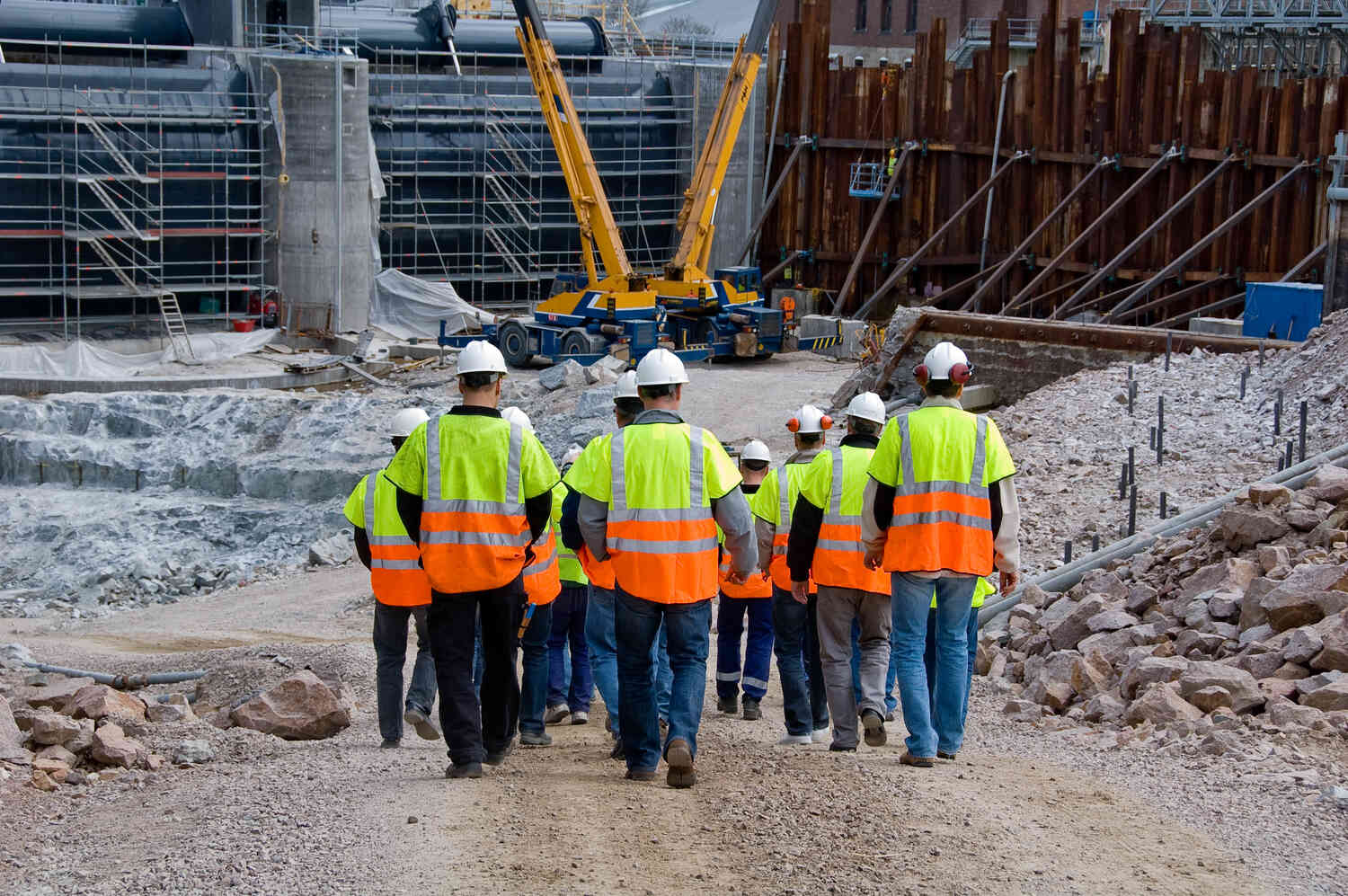
Labourer (General) – $28-$40/hr
As a general labourer, you’ll be involved in a wide range of site tasks like digging, loading, carrying, and cleaning up work areas.
This role is physically active and gives you an essential foothold on construction sites. It’s ideal for those who are fit, reliable, and ready to learn while earning from day one. The experience gained here can help you move into specialised roles or supervisory positions later.
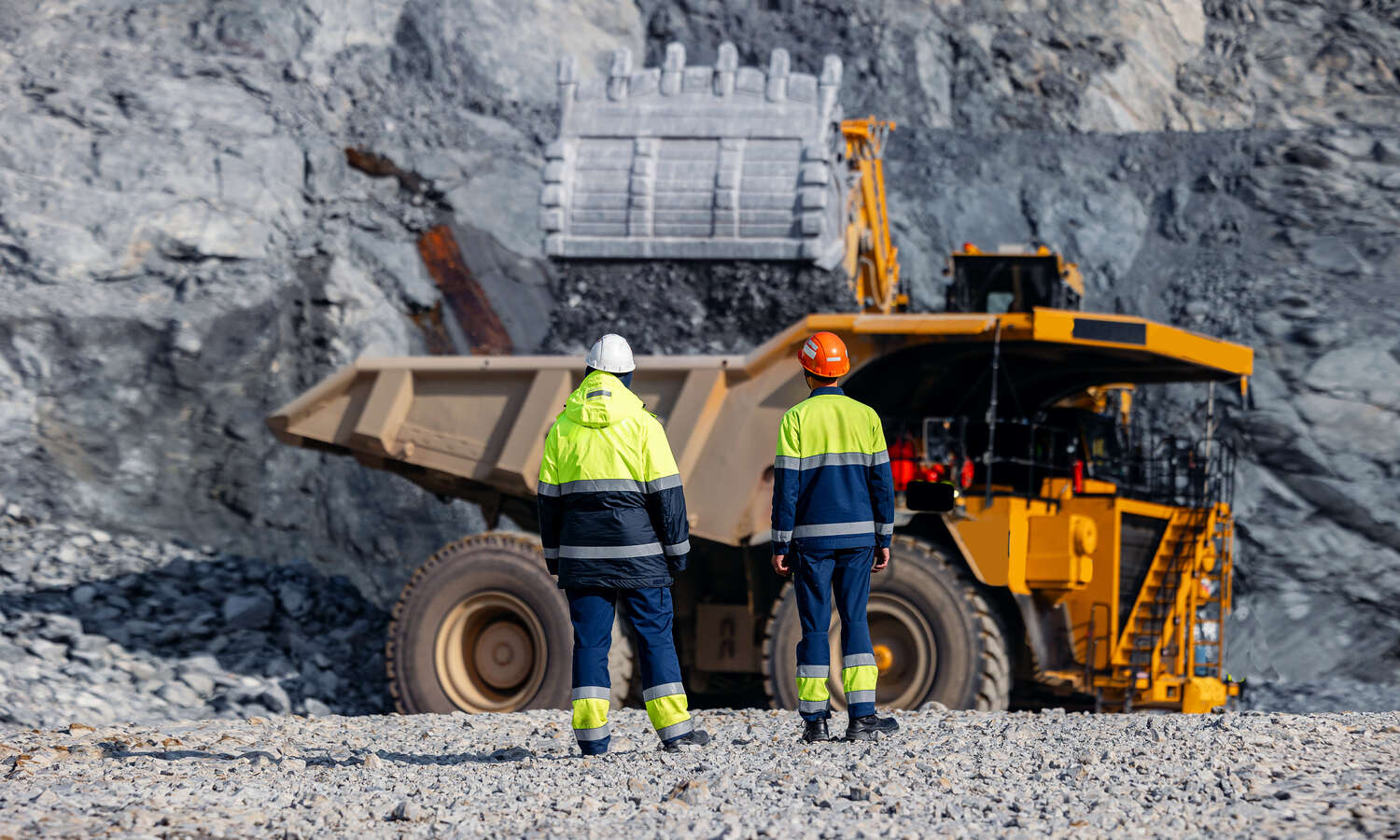
Traffic Controller – $32-$45/hr
Traffic controllers manage vehicle and pedestrian movement around worksites using stop/slow signs and clear communication.
This role is less physically demanding but requires focus, alertness, and responsibility. You’ll often work on early starts and enjoy a steady pay rate.
With a Traffic Control ticket and White Card, it’s a solid choice for someone looking for high-paying, entry-level construction work that isn’t heavily manual.
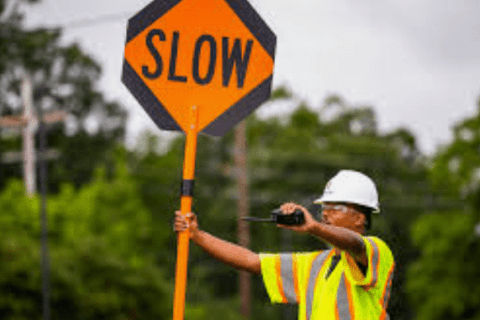
Forklift Operator – $32-$48/hr
Forklift operators are responsible for moving materials around sites, loading and unloading trucks, and assisting with logistics.
This role is in high demand, especially on larger projects, and can be a stepping stone to supervisory or logistics positions. A Forklift ticket plus your White Card allows you to work safely and efficiently, earning a strong hourly rate while developing a versatile skill that’s always sought after.

Demolition Labourer – $30-$45/hr
Demolition labourers carry out strip-outs, wall removal, and debris clearing on construction sites. It’s fast-paced, often short-term work, and requires physical stamina. As you gain experience, you can move into specialised demolition roles.
Demolition requires suitable training, supervision and controls. Asbestos awareness is not a qualification for licensed asbestos removal; relevant removal training and licensed-business arrangements are separate.

Shutdown Labourer – $35-$55/hr
Shutdown labourers work during intensive, short-term project shutdowns to clean, prepare, and support tradespeople. The work is physically demanding but pays well in concentrated bursts.
You’ll gain experience on high-pressure projects and be exposed to a range of tasks that can boost your skills and employability. A White Card and extra site inductions are usually needed. This role suits those wanting high pay and rapid work experience.
Spotter – $35-$48/hr
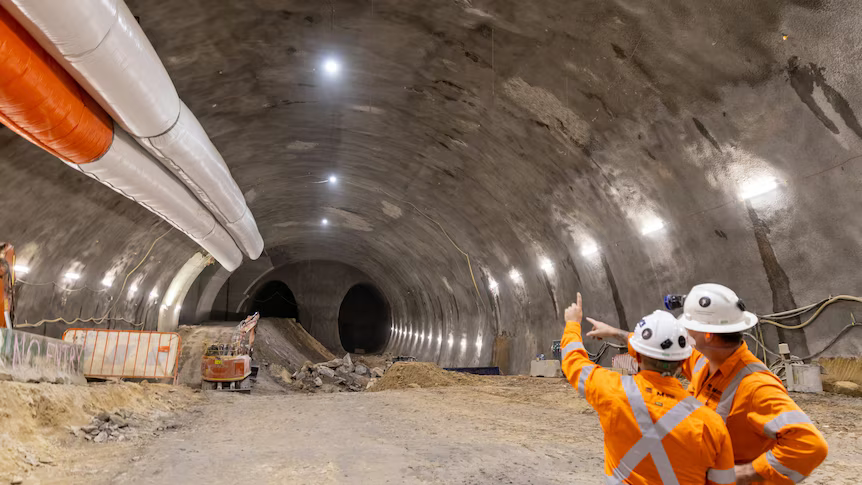
Spotters act as an extra set of eyes on site, guiding plant operators and ensuring safety in active work zones. It’s a responsible role with minimal physical strain but requires attentiveness, clear communication, and situational awareness.
With a White Card and Spotter/Safety Observer ticket, you can work on a variety of sites and gain experience in high-responsibility positions that are essential to smooth site operations.

WHS Assistant – $32-$50/hr
Work Health and Safety (WHS) assistants support the safety officer by checking PPE, conducting inductions, and spotting hazards. This role gives you exposure to safety compliance and site operations, providing a pathway into higher responsibility or managerial positions.
Safety-minded individuals can use this as a stepping stone for long-term careers in site safety. Additional short courses can boost pay and employability.

Tool Store Assistant – $30-$42/hr
Tool store assistants manage tools, inventory, and equipment requests for tradies on site. The role is low-stress, indoor-adjacent, and perfect for those who are organised and detail-oriented.
While physically lighter, it keeps you in touch with site operations and provides opportunities to move into logistics or operations coordinator roles. A White Card is required, and basic computer skills are an advantage.

Trades Assistant – $30-$42/hr
Trades assistants support qualified tradies by holding, fetching, and preparing tools, plus cleaning work areas. This is a great way to gain hands-on experience and learn trade skills without committing to an apprenticeship.
The job teaches teamwork, organisation, and site protocol. A White Card is essential, and familiarity with basic tools is helpful. Success here can lead to higher-paying or more technical site roles.
Gatekeeper – $30-$40/hr
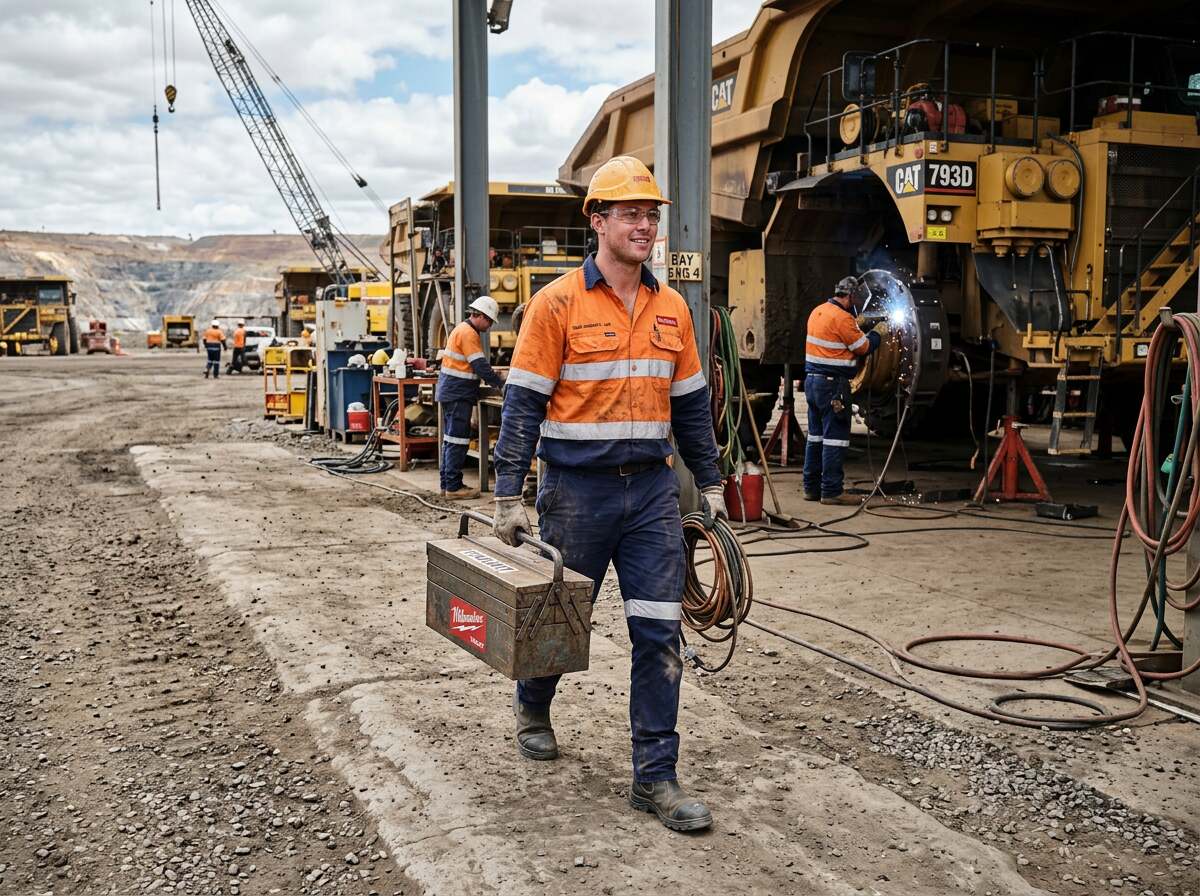
Gatekeepers manage site access, verifying personnel, deliveries, and visitors. It’s a crucial safety and co-ordination role with minimal physical effort.
Gatehouse or reception work separated from operational construction zones may not require a White Card. Duties, zone access, local rules and employer conditions decide the requirement.

Scaffolding Assistant – $32-$45/hr
Assistants may move materials and support licensed scaffolders within their training and supervision. Performing scaffolding work with a fall risk over four metres requires the relevant high-risk work licence, subject to lawful trainee arrangements.
A White Card does not authorise licensed scaffolding work. Check the duties and licence class before accepting a task.

Asbestos Removal Labourer – $35-$50/hr
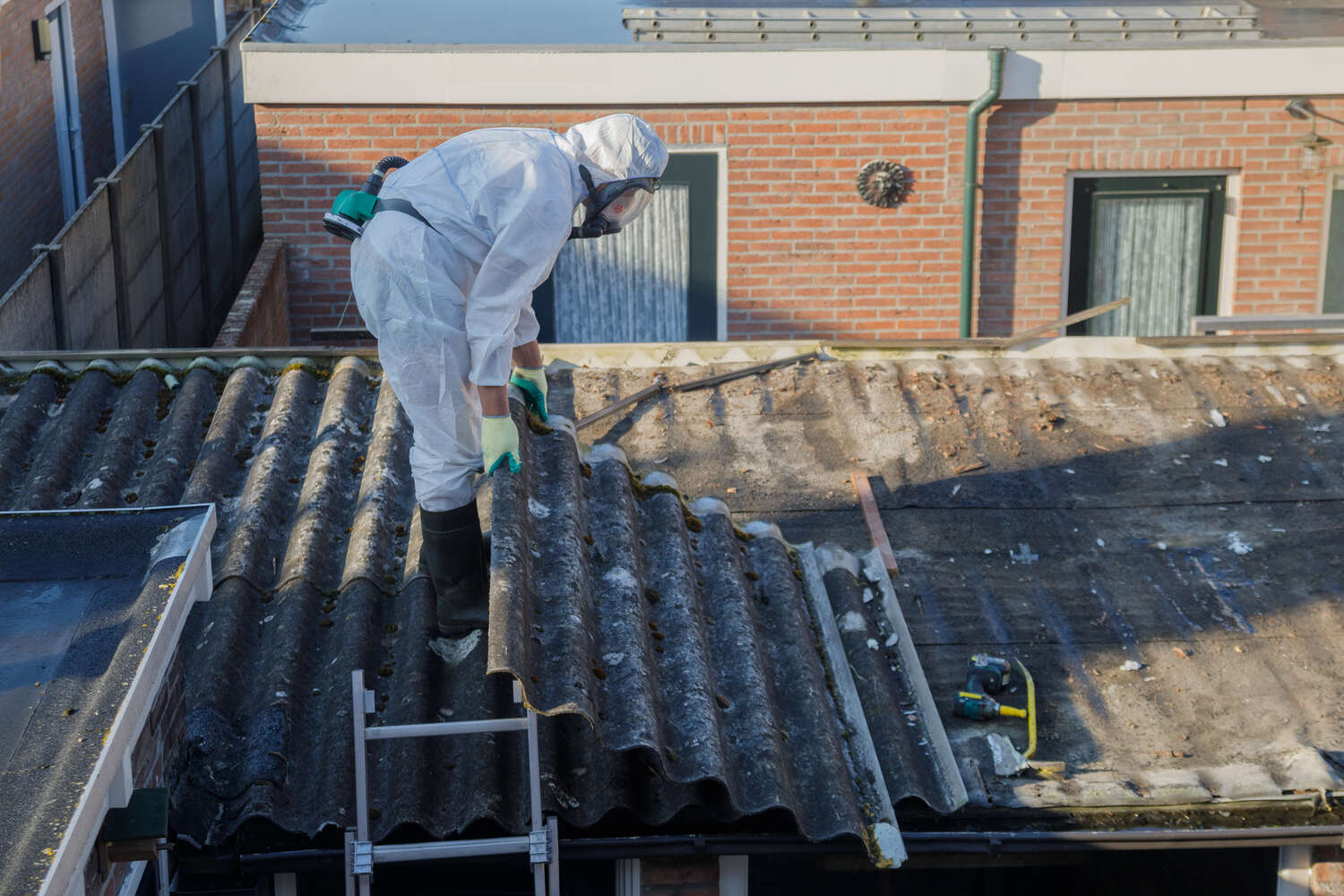
Asbestos removal labourers work under licensed conditions to remove and dispose of hazardous materials safely. This higher-risk role requires a White Card, Asbestos ticket, and medical clearance.
While the work comes with greater responsibility, the pay reflects it. You’ll be trained and supervised, gaining experience in specialised tasks that few entry-level positions offer.
Site Admin & Office Support – $28-$38/hr
Site admin roles support paperwork, inductions, timesheets, and coordination on construction sites. While not physically demanding, the job is crucial to smooth site operations.
Site administration can suit organised people with relevant office skills. A separated site-office role is not automatically subject to the same White Card requirement as construction duties or operational-zone access.

Crane Spotter & Dogger – $35-$52/hr
A crane spotter is not automatically a licensed dogger. Dogging and rigging are defined high-risk work activities with specific licence classes. A White Card, general observer course or informal supervision does not replace the required licence.
It’s highly responsible and pays well due to the skills and safety knowledge involved. Experience here can lead to rigger or crane operator positions, increasing pay and career progression opportunities.
Plant Operator Assistant – $35-$50/hr
Plant operator assistants support operators of machinery such as skid steers, bobcats, or small excavators. This role offers strong pay and exposure to heavy machinery operation, preparing you for plant operator roles in the future.
A White Card is required, and basic machinery experience is a plus. The job is ideal for someone looking to combine on-site learning with solid earning potential.

Which Construction Job Is Right for You?
How to Get Your White Card
Getting your White Card is simpler than most people think. Start by booking a training course with a registered training provider (RTO). Make sure they have a valid RTO number and nationally recognised training, like National White Card Courses.
Our courses include knowledge, communication and observed practical PPE assessment. Duration and approved delivery vary by jurisdiction. Attendance alone does not guarantee a pass.
After successful assessment, follow the issuing jurisdiction’s card process. Some RTOs issue cards directly; other jurisdictions require an application. Interim evidence is accepted only under the relevant rules and time limits.
The Qualities Employers Value Most on Construction Sites
Now that you know how to get your White Card and step onto a construction site, the next question is: how do you stand out once you’re there? Here’s the truth: employers care far more about your attitude and reliability than your prior experience.
Most don’t even mind if you’ve never worked on a site before. What matters is that you’re switched on, safety-conscious, and ready to follow instructions without constant supervision.
If you can work well with others, communicate clearly, and approach every task with a positive, can-do mindset, you’ll get noticed, keep your foot on site, and open doors to bigger projects and higher-paying roles.
- Reliability: Show up on time, every time. Sites run on tight schedules and delays aren’t welcome. Being dependable is the first thing employers notice, and the quickest way to build a good reputation.
- Communication: You don’t need to be a chatty type, but clear and timely communication is crucial. Whether you’re reporting hazards, coordinating with tradies, or taking instructions, being able to speak up and listen matters.
- Willingness to learn: Sites change fast, rules tighten, and new tech pops up. Employers want people who ask questions, take feedback, and are eager to grow. Showing you’re not just there for a paycheque, you want to improve, makes a huge difference.
- Safety mindset: You’ve got the White Card because you know the basics, but safety is more than ticking a box. Employers look for workers who genuinely care about keeping themselves and others safe. Spot hazards, follow procedures, and don’t cut corners.
Positive attitude: Construction sites can be tough environments, early mornings, long days, and hard work. A can-do attitude goes a long way. People want to work with those who keep morale up and bring energy to the crew.
Extra Tickets (Certifications) That Give You an Edge

Starting with a White Card gets your foot in the door, but completing short courses and stacking up some extra tickets/certifications can fast-track your career.
Some qualifications are mandatory before performing the relevant task, even on your first day. Choose training and licence applications according to your intended work.
Each one opens doors to roles with more responsibility, better hours, and higher pay, sometimes letting you out-earn tradies who never bother to upskill.
Check out this table below of the most useful tickets, what they actually let you do on site, and where they can take you in your career:
| Ticket / Certification | What It Lets You Do | Why It Helps You Get Ahead | Common Career Pathways |
|---|---|---|---|
| Forklift Licence | Operate forklifts in warehouses and sites | More responsibility, higher pay, versatile skill | Warehouse operator → Site logistics coordinator → Supervisor |
| Traffic Control Ticket | Manage traffic flow on roadworks and sites | High demand, good pay, essential for road projects | Traffic controller → Traffic management supervisor → Site safety officer |
| Working at Heights | Work safely on scaffolding, roofs, elevated platforms | Qualify for more varied jobs, site compliance | Labourer → Scaffolder → Site supervisor |
| Confined Spaces | Enter and work in enclosed spaces like tanks and pits | Specialised skills, higher pay, more complex roles | Labourer → Specialist operator → Site technician |
| First Aid | Provide emergency medical aid onsite | Essential safety skill, often mandatory | Any site role → Site safety officer → WHS coordinator |
| Dogging & Rigging | Handle loads with cranes and slings safely | Higher responsibility, specialised tasks | Labourer → Dogman → Rigger → Crane operator |
| Machinery Operation | Operate machinery like skid steers and bobcats | Increased versatility, better pay opportunities | Labourer → Plant operator → Site supervisor |
The message is simple: the more skills you stack, the more opportunities you get. And none of these require years of study, just some focused training that pays off fast.
These courses do not grant unrestricted authority: working-at-heights training is not a scaffolding licence, confined-space work needs task-specific controls and entry authorisation, and dogging, rigging and relevant plant require their applicable licence classes.
Why Choose National White Card Courses?
Our courses follow the approval and assessment requirements of the issuing jurisdiction. Contact us to confirm available locations and delivery options.
Our courses include trainer guidance, knowledge assessment and observed practical PPE tasks.
Approved live online options require real-time participation and assessor observation. We explain the identity, location and card requirements before you enrol.
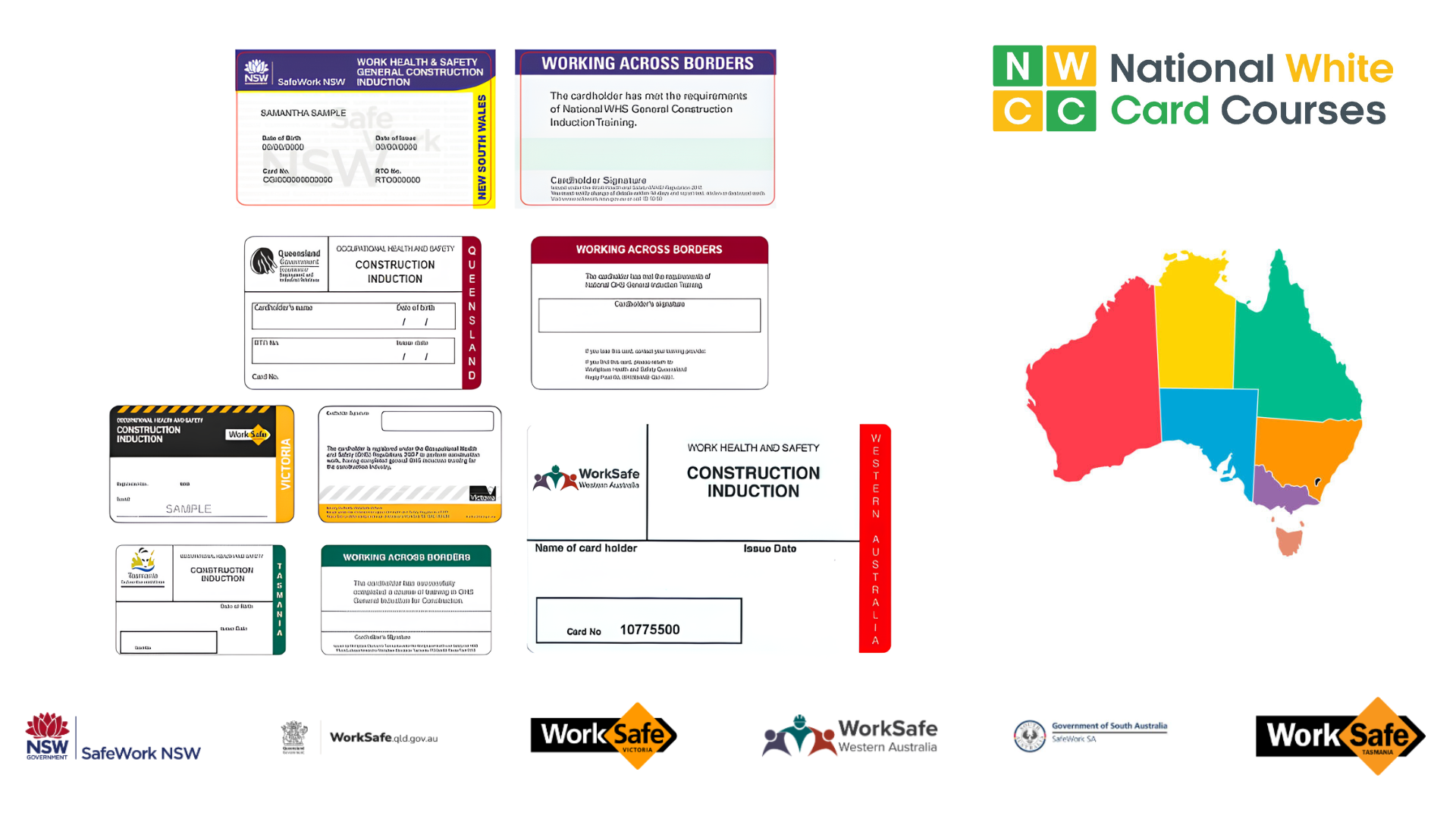
After successful assessment, we issue your training evidence and explain the card process. Current, valid cards are generally recognised interstate; work rights, site induction and task licences remain separate.
Frequently Asked Questions
What exactly is a White Card, and why do I need it?
It records general construction induction training required for construction work. Other access can depend on duties and local rules. It does not replace work rights, task licences or site induction.
How do I get a White Card: what is the actual process?
Choose an RTO approved for the issuing jurisdiction and delivery method. Complete the full course and required knowledge, communication and practical assessment, then follow the local card-issue or application process.
How do I know if a White Card course is legit?
Check the RTO, current unit scope and jurisdictional approval for the delivery method. Approved live online courses can be legitimate. Our courses follow the relevant approval and assessment requirements; contact us to confirm current options.
What do I need to do before the course?
Check the exact identity documents, learner-location rules, language requirements and equipment in your booking instructions. A USI is normally required unless an approved exemption applies. Contact us in advance about support needs.
What happens during the course?
Our courses cover construction hazards, safety responsibilities, risk controls, communication and emergencies. You complete knowledge and practical assessment, including correctly fitting eye protection, hearing protection, a hard hat and high-visibility clothing.
How long does the White Card course take?
Courses are commonly scheduled in one day. Minimum duration varies, including at least six classroom hours in Victoria and 4.5 hours in Queensland. Check the full session time and complete all assessments.
Do I need to bring anything?
Follow your booking instructions for identity documents, your USI or approved exemption, and equipment. Our classroom courses supply assessment PPE where stated; approved live online training may require you to arrange specified PPE yourself.
Is the White Card valid anywhere in Australia?
Current, valid cards are generally recognised interstate. A two-year break from construction can invalidate a card or require retraining. Site induction and task licences remain separate.
How soon can I start work after getting my White Card?
Start only when you have the card or interim evidence accepted by the regulator, within its time limit, and have met work-rights, employer, site-induction and task requirements. Completion of a course does not automatically permit next-day work everywhere.
What if I need help before or after the course?
Contact us for course, assessment and paperwork support. If a card is lost, we can explain the issuing jurisdiction’s replacement process, which may involve the original RTO or a government authority.