Key Takeaways
- The White Card course usually takes 5–8 hours to complete. Most people finish the training in a single day.
- The course covers construction site safety, hazard identification, WHS laws, and emergency procedures.
- In some states, the White Card course can be completed online in a live trainer-led class, but it still takes roughly the same amount of time as in-person training.
- Once you complete the course and receive your Statement of Attainment, you can start applying for construction jobs immediately while waiting for your official White Card.
Australia’s construction industry is growing fast, and it’s not slowing down anytime soon. Major infrastructure projects, housing developments and renewable energy builds are creating thousands of jobs across the country. Workers are needed now.
If you’re looking to get into construction, the first thing you need is a White Card. It’s the mandatory safety certification required to work on any construction site in Australia, and without it, you simply can’t get on site.
The good news? The course takes 5 to 8 hours to complete. Most people finish it in a single day, and once you’re done, you’re legally clear to work on construction sites nationwide.
In this guide, we cover how long the White Card course takes, what you actually learn, who needs one, and how quickly you can start working once you’ve got it.
Select Your State
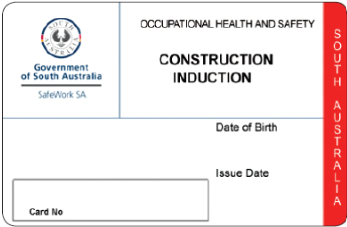
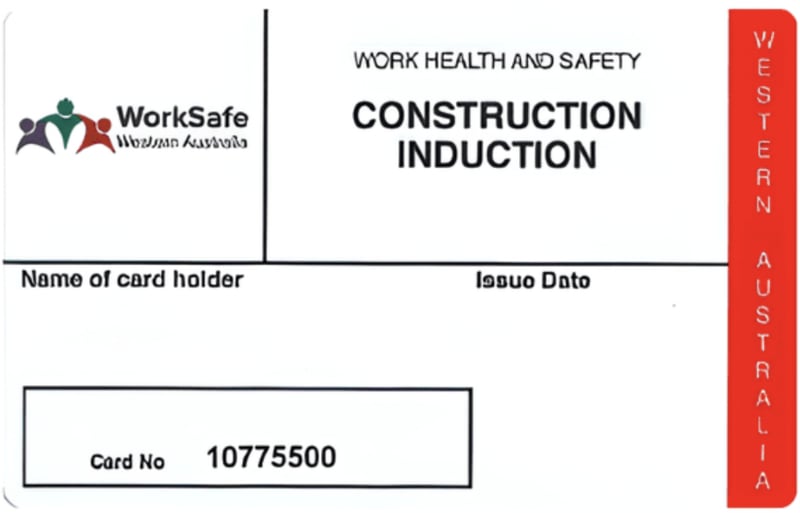
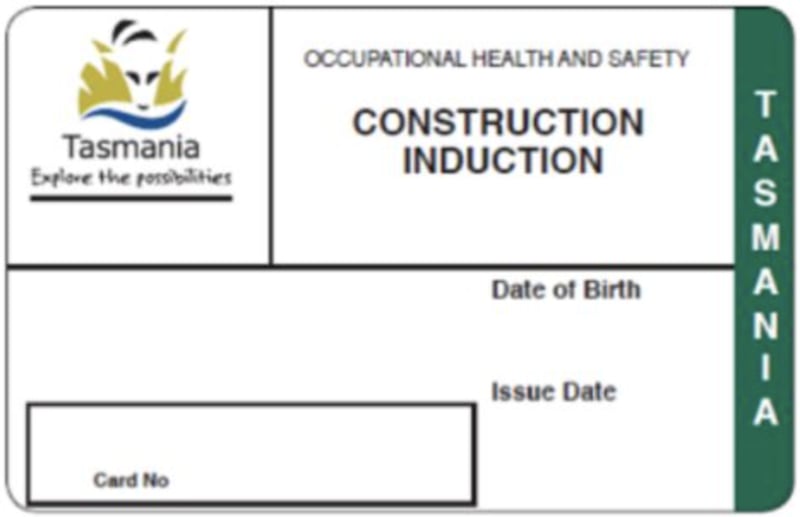
You must complete your White Card course in the state where you live. Please select the state you live in below.


How Long is the White Card Course?
The White Card course is relatively short compared with many other qualifications. In most cases, the training takes around 5 to 8 hours and is usually completed in a single day.
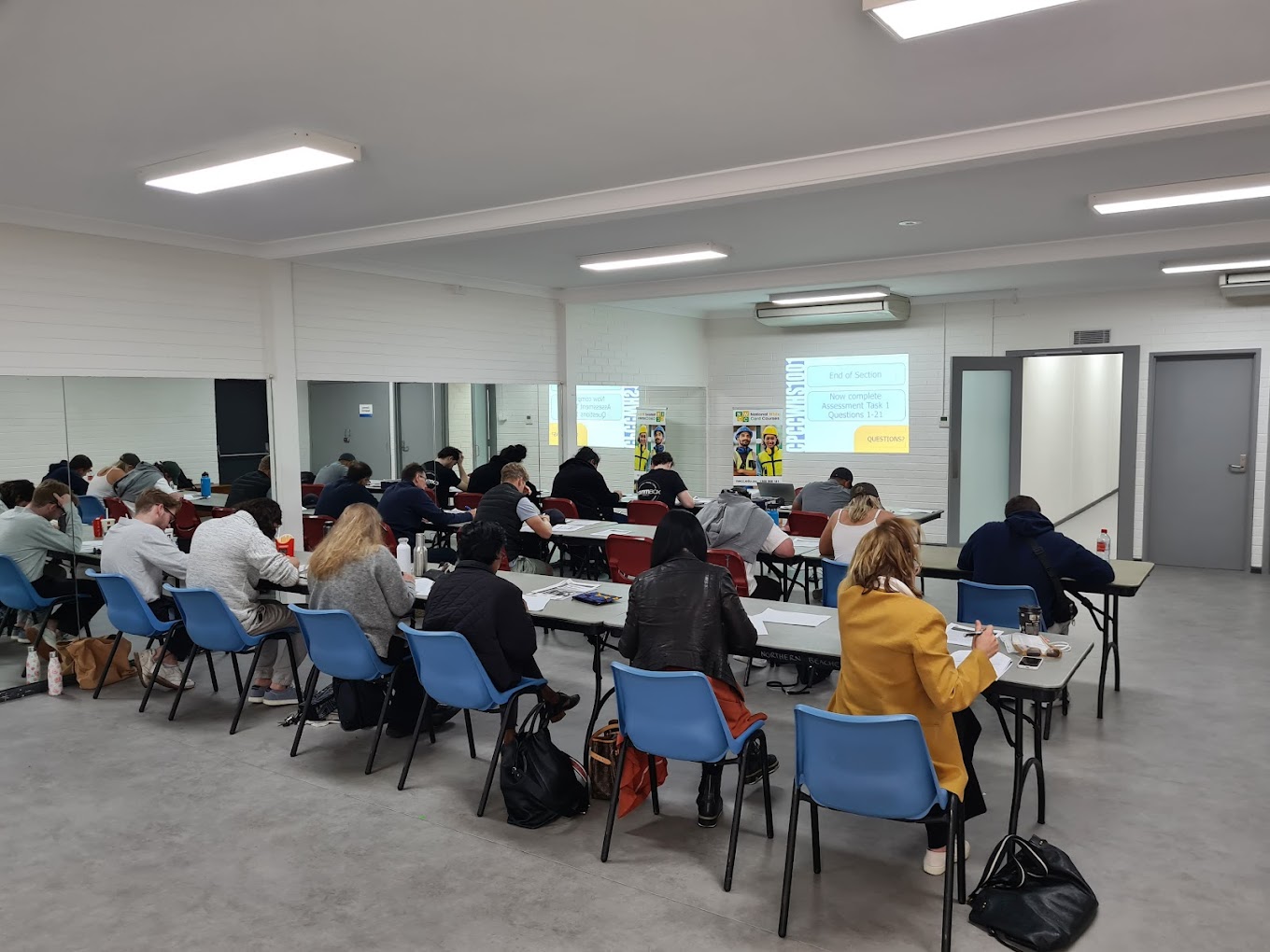
Many training providers structure the course as a one-day classroom program where you complete the learning modules and assessment on the same day. Here is the normal duration breakdown:
- Training modules: 4–5 hours
- Practical learning and discussions: 1–2 hours
- Assessment: 30–60 minutes
In some parts of Australia, the White Card course can be completed online, which is a convenient option for people who can’t attend a classroom session.
However, online training is not available in every state, and the rules vary depending on where you live. In states where online White Card training is permitted, the course must usually be completed in a live, trainer-led format, rather than as a self-paced module.
This means you’ll join a real-time virtual classroom with a qualified trainer who delivers the course, answers questions and supervises the assessment to ensure the training meets national safety standards.
Importantly, completing the course online takes roughly the same amount of time as attending in person, typically around 5 to 8 hours, as the training must cover the same nationally recognised safety content.
Regardless of whether you do the course in person or online, by the end of the day, most students have completed all required learning and assessments needed to qualify for the White Card.
And, because the course is short, it is one of the fastest ways to begin working in the construction industry.

What is Covered in the White Card Course?
The White Card course is designed to give workers a basic understanding of construction site safety and legal responsibilities. During the course, you’ll learn about:
Workplace Health and Safety Laws
Participants learn about Australia’s Work Health and Safety (WHS) legislation and the responsibilities workers have when operating on construction sites.
Hazard Identification
Construction sites can involve a wide range of hazards. The course teaches you how to identify potential risks such as:
- Falling objects
- Working at heights
- Electrical hazards
- Moving vehicles and machinery
- Hazardous materials
Risk Control Measures
Identifying a hazard is only half the job. The other half is knowing what to do about it. The course walks you through Australia’s hierarchy of controls, which is a practical framework used on construction sites to reduce or eliminate risk.
You’ll learn the difference between eliminating a hazard entirely, substituting it for something safer, and using administrative controls or PPE as a last line of defence. The course also covers safe work method statements (SWMS), which are written documents that outline how high-risk work should be carried out safely. Knowing how to read and follow a SWMS is a basic expectation on most Australian construction sites.
By the end of this section, you’ll understand that safety is about making smart decisions before the work even starts.
Personal Protective Equipment (PPE)
Training covers the correct use of safety equipment such as:
- Hard hats
- Safety boots
- High-visibility clothing
- Eye and hearing protection
Emergency Procedures
When something goes wrong, you need to know exactly what to do. This section covers how to respond to common on-site emergencies, including fires, chemical spills, serious injuries and natural disasters.
You’ll learn how to raise the alarm, follow evacuation procedures, and locate emergency assembly points. The course also covers the basics of incident reporting. Who to notify, what information to record, and why getting it right matters legally and for the safety of everyone on site.
A big part of this section is understanding that staying calm and following the right steps can be the difference between a situation that’s managed and one that gets a lot worse.
Communication and Safety Reporting
Construction sites rely heavily on communication and safety reporting systems. The course explains how to report hazards, injuries, and unsafe work practices.
Overall, the training ensures that anyone entering a construction site understands the most common risks and knows how to work safely.
If you’re looking for a detailed insight, you can view our White Card learning guide here.

Who Can Take the White Card Course?
The White Card course is open to most people who want to work in the construction industry. However, there are a few eligibility requirements.
- Minimum age: In most states, participants must be at least 13 or 14 years old to complete the training, depending on the state.
- Identification requirements: In NSW, you are required to provide 100 points of identification before enrolling in the course. In other states, ID requirements vary depending on your state and the RTO you enrol with. Most providers ask for at least one form of current photo ID, like a driver’s licence or passport.
- Language and literacy skills: Because the training includes written assessments, participants need basic English reading and comprehension skills.
- No previous experience required: One of the biggest advantages of the White Card course is that no prior construction experience is needed.
This makes it an ideal entry point for:
- School leavers
- Career changers
- Migrant workers
- People looking for labouring or trade assistant roles
What Happens After you Complete the Course?
Once you successfully complete the White Card training and pass the assessment, you will receive a Statement of Attainment confirming that you have completed the nationally recognised unit: CPCWHS1001 – Prepare to work safely in the construction industry.
This document usually allows you to start work immediately while waiting for your official White Card to arrive.
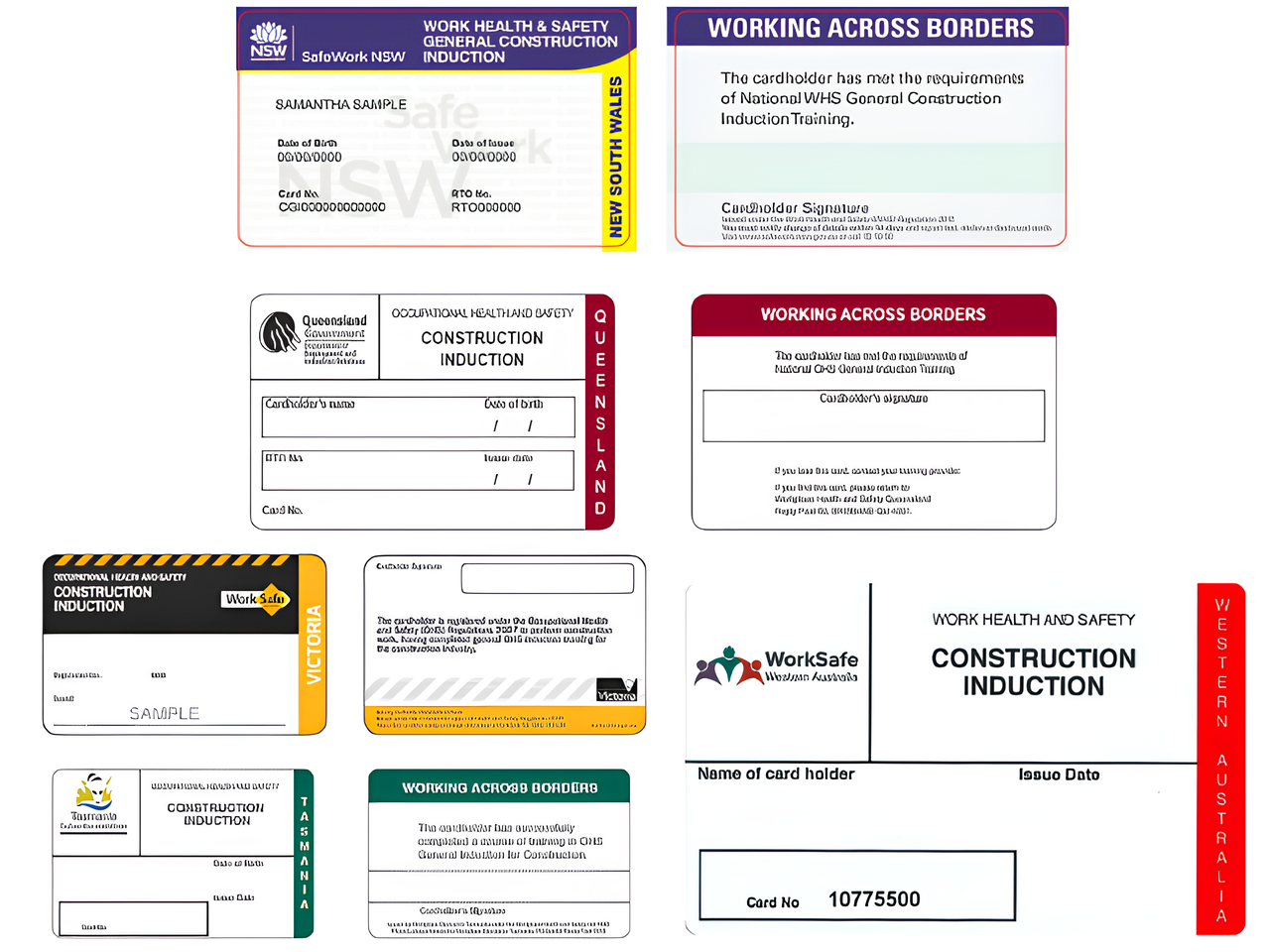
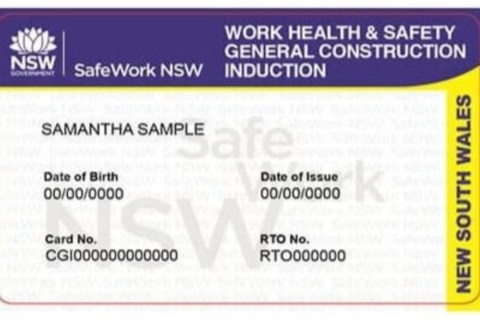
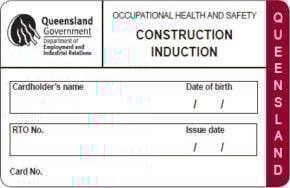
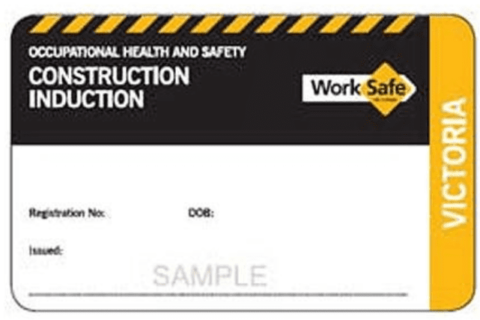
The actual card is issued by relevant state authorities such as SafeWork NSW, WorkSafe Qld, or WorkSafe Victoria and sent to you shortly after completing the course.

How Soon Can you Start Working After Getting your White Card?
One of the biggest advantages of the White Card course is how quickly it allows you to enter the construction workforce. In many cases, the process looks like this:
- Enrol in a White Card course
- Complete the training in one day
- Receive your Statement of Attainment
- Start applying for construction jobs immediately
Some people begin work within days of completing the course, especially in entry-level roles such as:
- Construction labourer
- Trade assistant
- Traffic controller (with additional certification)
- Site cleaner
- Civil construction worker
Because the construction sector frequently experiences labour shortages, employers often hire workers who have completed the White Card course but have little prior experience.
Is the White Card Recognised Across Australia?
One of the biggest advantages of the White Card is that it is nationally recognised. Once issued, the card allows you to work on construction sites in all Australian states and territories.
This makes it particularly useful for workers who want to pursue opportunities such as:
- FIFO jobs
- Infrastructure projects in different states
- Regional or remote construction work
However, some worksites may require additional safety training depending on the job.
Why the White Card is Essential for Construction Workers
Construction is one of the highest-risk industries in Australia. Workers regularly operate around heavy machinery, electrical systems, elevated structures, and hazardous materials.
The White Card course exists to ensure that everyone entering a site understands how to work safely. By completing the training, you learn:
- How to recognise hazards
- How to prevent accidents
- How to protect themselves and their colleagues
- How to respond to emergencies
For employers, it also ensures that everyone on site has a consistent baseline understanding of workplace safety.
If you’re considering a career in construction, the White Card is the first step. The good news is that the course is quick and straightforward.
Most people complete the training in just one day (around 5–8 hours), after which they can begin applying for construction jobs.
With Australia’s construction sector continuing to expand and thousands of new projects underway, completing your White Card can open the door to a wide range of job opportunities.
For many workers, it’s the simplest and fastest way to start earning in one of Australia’s most in-demand industries.
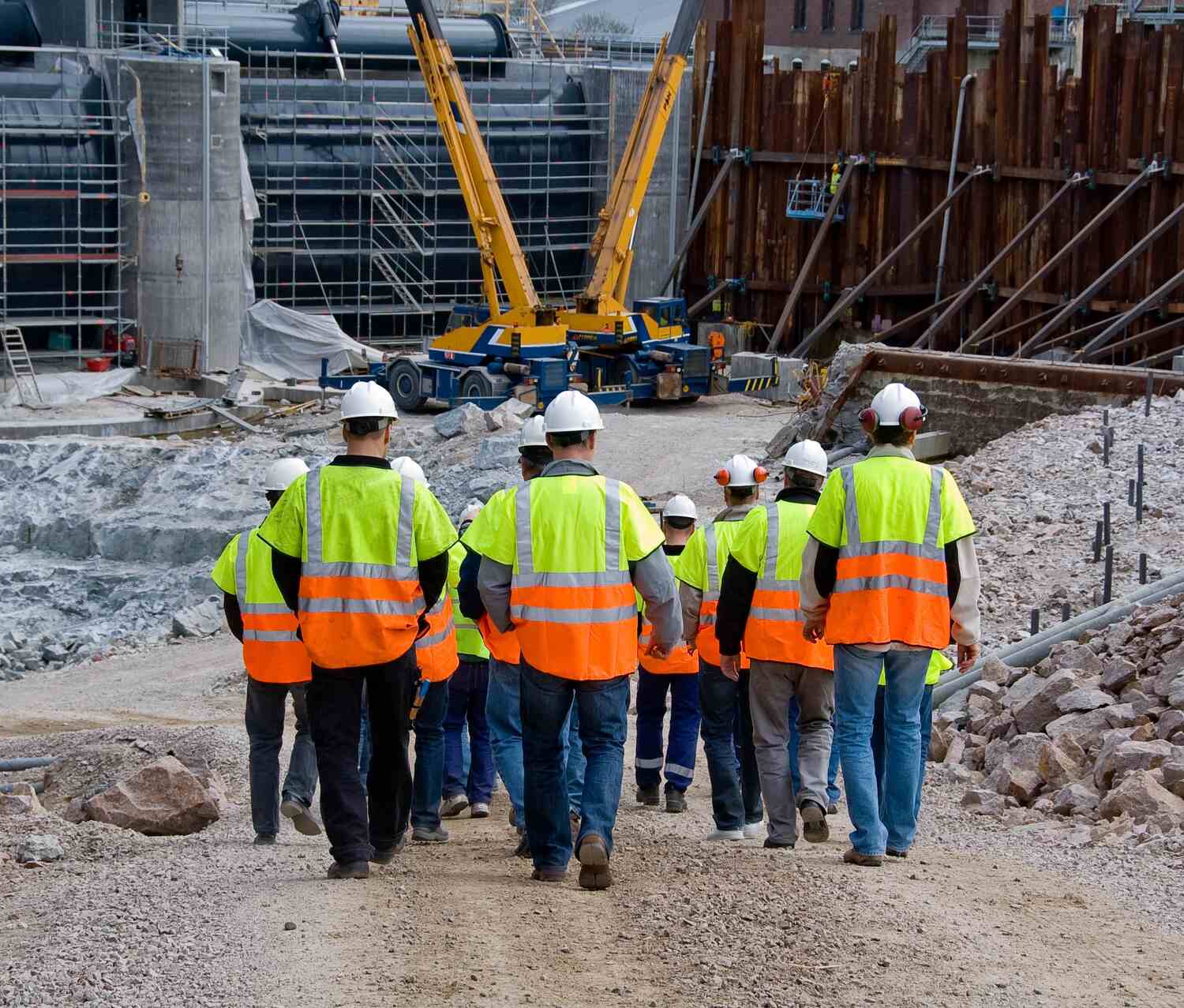
Australia’s Construction Industry is Booming
Australia’s construction sector is one of the largest contributors to the national economy and continues to expand rapidly. Major government infrastructure spending, population growth and housing demand are all driving new building activity across the country.
Projects currently underway include:
- Major road and rail infrastructure upgrades
- Residential housing developments
- Renewable energy projects
- Hospitals, schools and commercial buildings
- Mining and civil works projects
With thousands of projects underway nationwide, the industry continues to face significant labour shortages. Builders, contractors and labour hire companies are regularly looking for workers to fill entry-level roles, trade positions and site support jobs.
For many people, completing the White Card course is the first step toward accessing these opportunities.
How a White Card Opens Doors
A White Card (officially called the General Construction Induction Card) is a nationally recognised certification that proves you understand the basic safety requirements for working on construction sites.
It shows employers that you have completed mandatory induction training and understand the risks associated with construction work.
Anyone who wants to work on or enter an active construction site in Australia must hold a valid White Card. This includes:
- Construction labourers
- Tradespeople and apprentices
- Site supervisors and project managers
- Surveyors and engineers
- Delivery drivers entering construction zones
- Security staff or cleaners working onsite
- Contractors or consultants visiting a site
Without a White Card, employers cannot legally allow you to access most construction sites under Australian Work Health and Safety (WHS) laws.
Why Choose National White Card Courses?
National White Card Courses is an accredited Registered Training Organisation (RTO 41072) providing nationally recognised White Card courses. Our training and certification is approved by all relevant government bodies, including SafeWork NSW, WorkSafe QLD, WorkSafe VIC, WorkSafe WA, SafeWork SA, and WorkSafe Tasmania.
We offer face-to-face training across Australia, including New South Wales, Queensland, Victoria, South Australia, Western Australia and Tasmania. We ensure you receive comprehensive, hands-on instruction that online courses simply can’t match.
By choosing National White Card Courses, you’re protecting yourself from the risks associated with online training, like potential scams, unrecognised certifications, and inadequate preparation for real-world scenarios.
Our accredited White Card trainers provide you with a legitimate and valid White Card certificate that can be used anywhere in Australia.
