
Key Takeaways
- Mandatory Certification: The White Card is a legal requirement for most job roles on Australian mining sites, covering roles from drillers to administrative staff.
- Many mining employers list a White Card as a requirement, meaning you may not be considered for roles on mining sites without this certification.
- White Card training teaches essential safety skills, including hazard identification, risk management, and workplace safety procedures used across mining and construction environments.
- Quick Certification: The White Card course takes only 6-8 hours to complete and provides immediate eligibility to work on mine sites.
- Nationwide Recognition: A White Card is valid across all Australian states and territories for mining and construction-related work.
It’s no secret mining is a huge industry in Australia, with jobs in the sector offering great pay, incredible career growth potential, and a variety of different job opportunities.
But did you know, a White Card is an essential first step if you’re looking to secure a job in the mining sector? In this article we’ll look at why you need a White Card for mining jobs, including how to easily obtain a mining White Card, and what’s covered in the course.
Select Your State
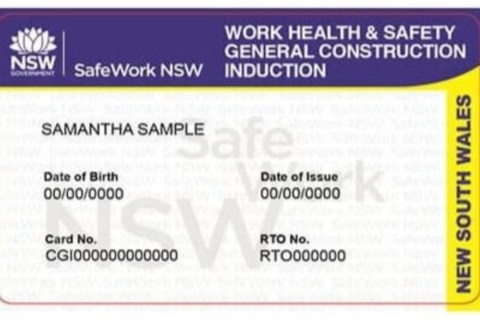
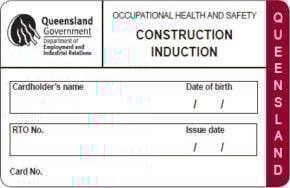
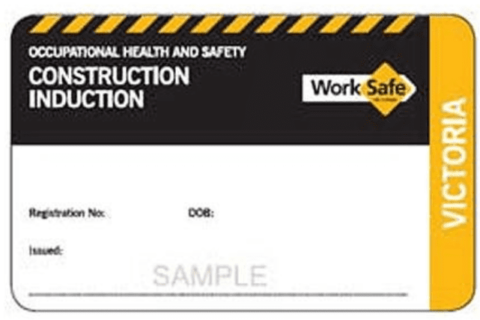
You must complete your White Card course in the state where you live. Please select the state you live in below.
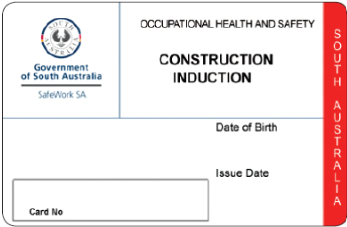


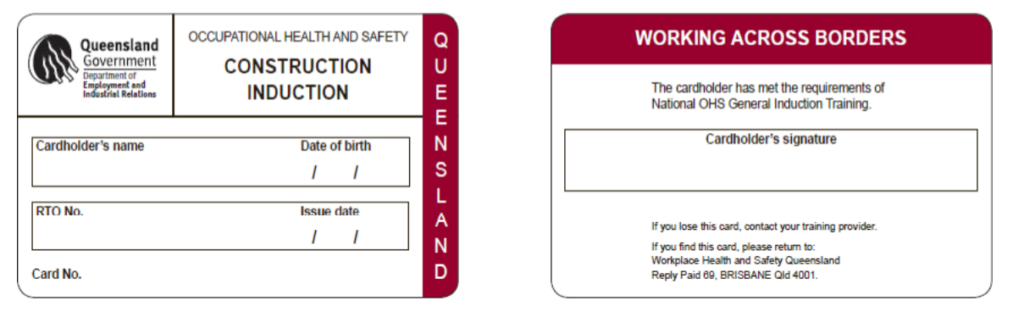
Why is a White Card Important for Mining Jobs in Australia?
Mining sites are classified as construction zones, which means anyone working on site must comply with WHS standards. Especially when it comes to site specific risks around hazards such as heavy machinery, and slips, trips and falls. This includes not just drillers and operators, but also many support roles that are essential to site operations. A white card for FIFO jobs if a basic legal and safety requirements whether you’re working in administration, logistics, or maintenance.
Why the White Card Is Essential for Mining Jobs
With mining involving inherent hazards, it’s critical that workers understand how to identify risks and follow safe work practices before entering the site. That’s why a White Card is considered an essential first step if you’re looking to apply for any mining job. And in most cases, employers will not allow anyone onto a mining or construction site without a valid White Card. It serves as proof that you have completed general construction induction training and understand the basic safety standards expected on Australian worksites. 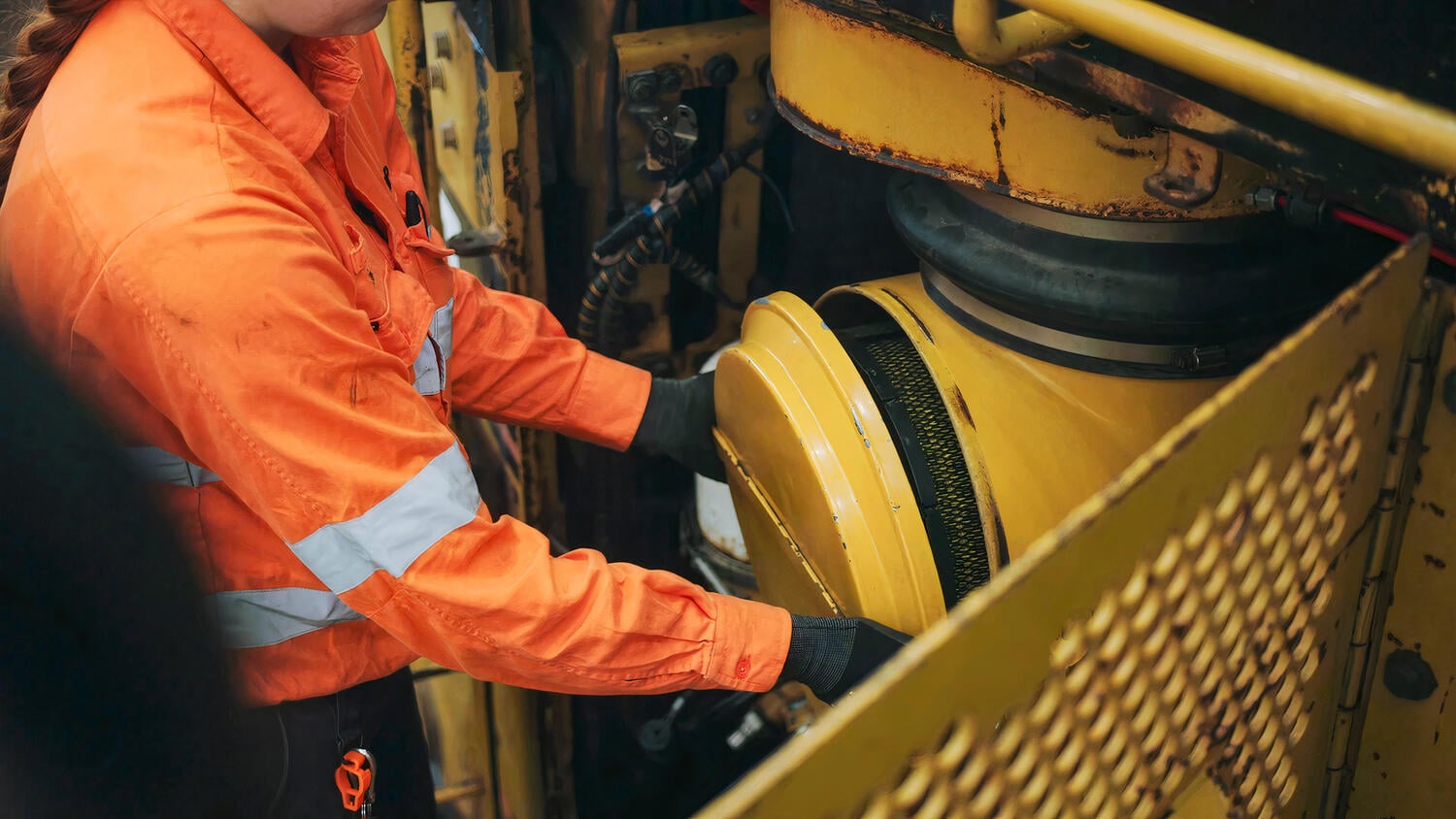

Core Roles in the Mining Industry
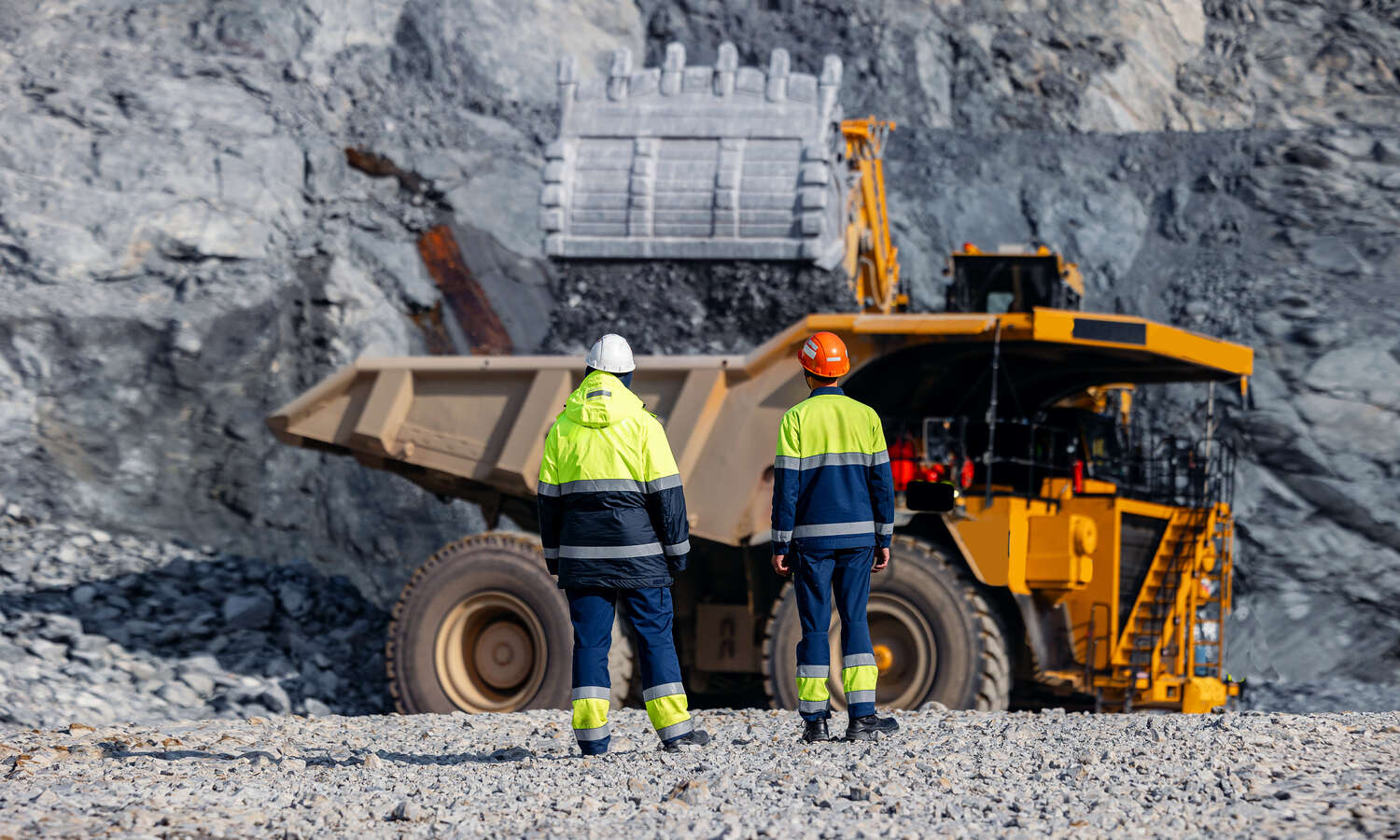
Mining sites are home to a variety of core roles that directly contribute to the extraction and handling of minerals. These include positions like drillers, dump truck operators, machine operators, and excavators. While these roles tend to be the most well-known, they aren’t the only jobs available on mining sites.
Support Roles and Entry-level Mining Jobs that Require a White Card
While the focus is often on the core extraction jobs, mining sites depend heavily on a wide range of support staff to keep operations running safely and efficiently. The table below outlines some of the key support roles on Australian mining sites that require a White Card, detailing the work environment and example tasks for each role:
| Job Role | Typical Work Environment | Example Tasks |
|---|---|---|
| Site Labourer | Onsite, supporting general construction tasks | Assisting with building, manual tasks, site cleanup |
| Maintenance Personnel | Workshop or onsite equipment areas | Repairing machinery, conducting inspections |
| Hospitality Staff | Kitchens or dining areas | Preparing meals, maintaining dining facilities |
| Cleaning Crew | Site accommodation and common areas | Sanitation, waste management |
| Administrative Staff | Site offices | Scheduling, data entry, managing payroll |
| Electricians | Site-wide | Installing and repairing electrical systems |
| Plumbers | Facility maintenance areas | Installing and maintaining plumbing systems |
| Security Personnel | Entry points, perimeter areas | Monitoring site access, ensuring security compliance |
| Health and Safety Officers (HSE Officers) | Across the site | Managing WHS compliance, conducting risk assessments |
| Logistics Coordinators | Warehouses, transport zones | Overseeing equipment and material deliveries |
| Heavy Machinery Operators | Onsite excavation and materials handling | Operating loaders, graders, or dozers |
| Drillers’ Assistants | Near drilling operations | Preparing drilling sites, maintaining equipment |
| Environmental Officers | Across the site and nearby areas | Ensuring environmental compliance, monitoring waste |
| Warehouse and Supply Chain Staff | Storage and distribution facilities | Managing inventory, organising deliveries |
| Vehicle Mechanics | Workshops or vehicle bays | Repairing and maintaining light vehicles |
| IT Support Staff | Site offices | Managing communication networks, troubleshooting systems |
| Crane Operators | Construction and materials handling areas | Operating cranes to lift and move heavy materials |
Meeting Minimum Requirements
The White Card has become the baseline qualification for many mining jobs across Australia. Employers in the mining sector have made it clear that having a valid White Card is often a non-negotiable requirement for applicants. For most positions on mining sites, from administrative roles to hands-on work, you won’t even be considered for the job without this certification.
- Widespread Requirement: The large majority of mining job listings on platforms like SEEK list the White Card as a mandatory qualification, regardless of the specific role. This is a strong indicator of just how important the White Card has become in the mining industry.
- Job Application Filter: Many employers will filter out applicants who don’t have this certification, meaning you could be overlooked for opportunities simply because you haven’t completed this essential step.
Compliance with Workplace Safety Standards
Mining sites are among the highest-risk environments in Australia. Without this certification, you won’t be legally allowed to work on most mining sites, making it a critical qualification to ensure safety compliance across the industry.
- Legal Requirement: Australian WHS laws require workers to understand and comply with safety protocols to prevent accidents and protect everyone on-site. The White Card ensures all workers have basic safety training to reduce risks.
- Safety First: It equips workers with the knowledge they need to recognise hazards, report safety concerns, and take appropriate actions to prevent accidents. Whether it’s knowing the dangers of heavy machinery or understanding fire safety protocols, the White Card training is crucial in high-risk settings like mining.
Frequently Asked Questions
Do I need a White Card to work on a mining site?
Yes. Almost every mining employer in Australia requires a valid White Card before you set foot on site. It doesn’t matter if you’re applying for a core trade role or a support position like catering or admin. The White Card is the baseline.
It shows you understand workplace safety laws, hazard identification, and basic risk control. No card, no site access. It’s that simple.
Can I get a mining job without experience if I have a White Card?
Yes, and it’s actually one of the most common ways people break into the industry.
A White Card won’t replace experience, but it tells employers you’ve got the safety fundamentals sorted. Many entry-level mining roles (site labourer, offsider, general hand) don’t require prior mining experience.
Pair your White Card with a solid resume, a good attitude, and maybe a first aid cert, and you’re in a strong position to land that first role.
Do FIFO workers need a White Card?
Yes, you need a white card for FIFO jobs. FIFO workers are on active mine sites, which means the same safety rules apply regardless of your role.
It doesn’t matter if you’re swinging a hammer or working in the camp kitchen, you need a White Card. Most FIFO employers won’t even consider your application without one. If you’re serious about FIFO work, get your White Card sorted before you start applying. It’ll save you time and frustration.
Can I work on a mine site while my White Card application is processing?
No. You need the physical card (or at least a verifiable certificate of completion) before you can legally access a mine site. Mining companies run safety checks on all workers before granting site access, and an application in progress doesn’t cut it.
The good news is that most online and in-person White Card courses issue your certificate on the same day you finish, so the wait is usually minimal.
Which states have the most mining jobs that require a White Card?
Western Australia tops the list by a long shot. It’s home to a huge chunk of Australia’s iron ore, gold, and lithium operations.
Queensland comes in second with its coal and resource sectors in the Bowen Basin and beyond. The Northern Territory is also active, particularly in gold and uranium.
If you’re job hunting, WA and QLD are your best bet. That said, the White Card in Australia is nationally recognised, so one card works across all states.
Enrol in a White Card Course Near You

National White Card Courses is an accredited Registered Training Organisation (RTO 41072) providing nationally recognised White Card courses.
Our training and certification is approved by all relevant government bodies, including SafeWork NSW, WorkSafe QLD, WorkSafe VIC, WorkSafe WA, SafeWork SA, and WorkSafe Tasmania.
We offer face-to-face training across Australia, including New South Wales, Queensland, Victoria, South Australia, Western Australia and Tasmania.
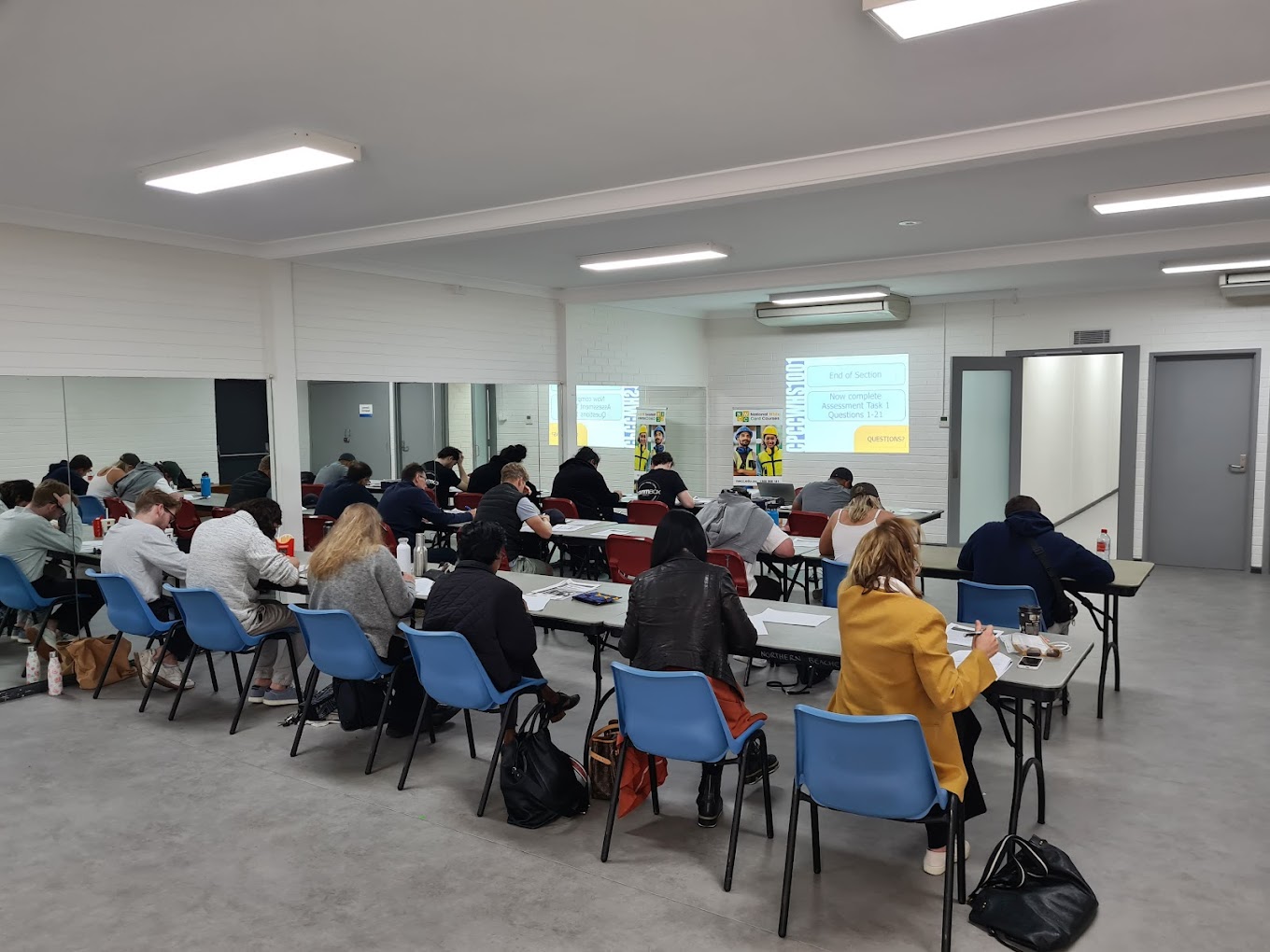
We ensure you receive comprehensive, hands-on instruction that online courses simply can’t match.
By choosing National White Card Courses, you’re protecting yourself from the risks associated with online training, like potential scams, unrecognised certifications, and inadequate preparation for real-world scenarios.
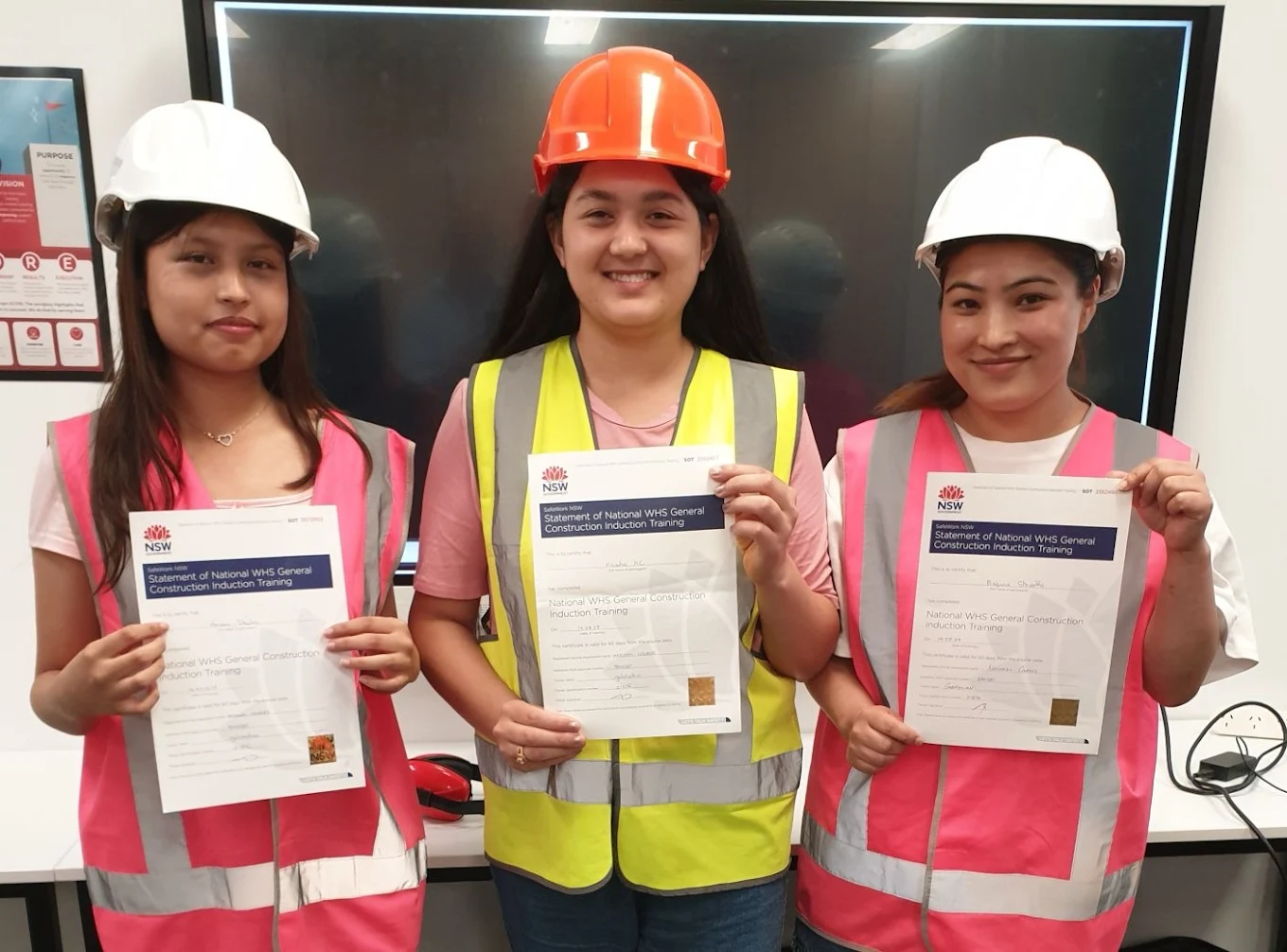
Our accredited White Card trainers provide you with a legitimate and valid White Card certificate that can be used anywhere in Australia.