
Key Takeaways
- Hospitality, retail and agriculture are common starting points, but construction, civil works, warehousing, mining, logistics and other industries can offer additional opportunities and potentially higher hourly rates.
- Some of the highest-paying working holiday jobs in Australia are in construction, mining, infrastructure and other project-based industries.
- A White Card can help you access construction and other site-based roles, including some entry-level jobs that don’t require a trade qualification or previous Australian experience.
- Before accepting a job, check your visa work conditions, understand the pay and hours being offered, and make sure you have any licences, tickets or training required for the role.
Looking for work in Australia? An international student fitting a job around your studies or a backpacker looking to earn money while travelling, finding the right type of work can make a big difference either way.
The best jobs for international students in Australia aren’t necessarily the most obvious ones. And on a Working Holiday visa, some of the highest paying working holiday jobs are outside the traditional backpacker industries, including construction, civil works, infrastructure, agriculture and other regional industries.
In this guide, we’ll look at some of the best jobs for international students and backpackers in Australia, what you can expect to earn, and where to look for work.
Select Your State
You must complete your White Card course in the state where you live. Please select the state you live in below.
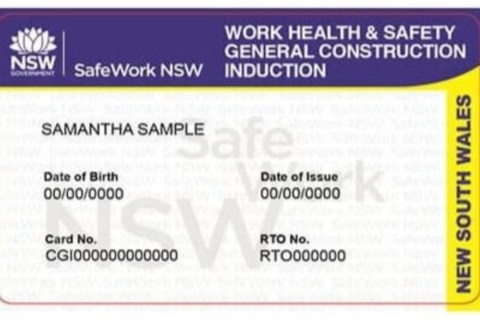
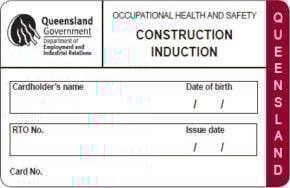
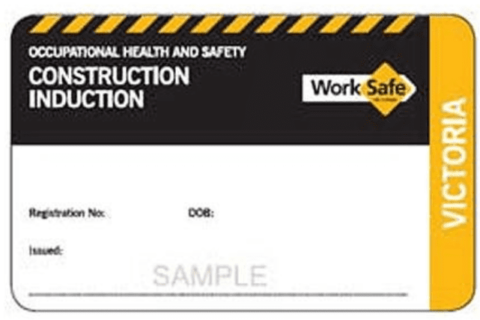


Where to start
If you’re an international student or backpacker looking for a great job, hospitality, retail and farm work can be good places to start, particularly if you have limited Australian work experience.
But if your priority is earning a decent income, it’s worth looking at what other industries have to offer.
For some of these roles, having the right training or certification can make a difference. A White Card, for example, is required for people working in construction in Australia.
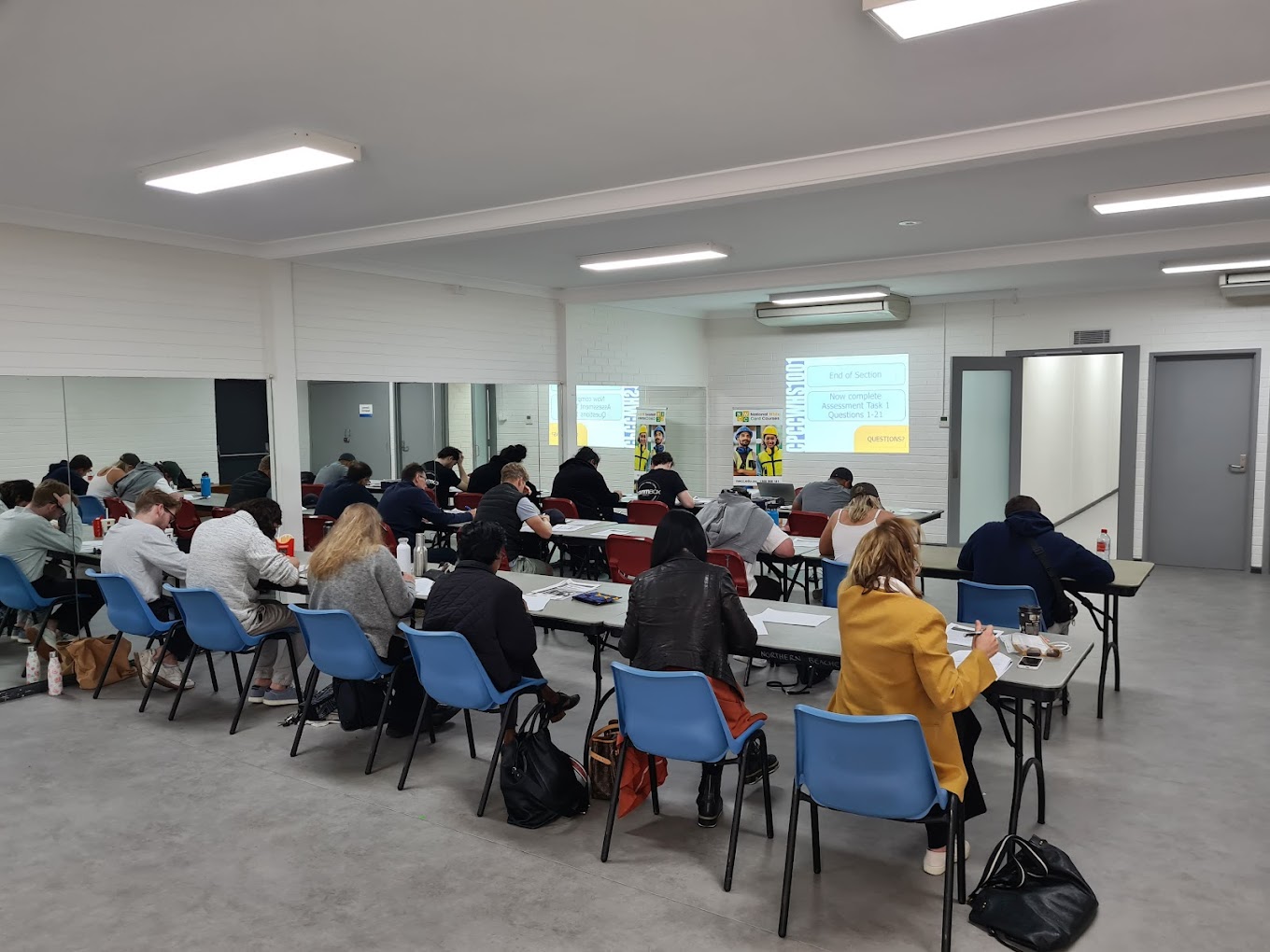
Obtaining a White Card involves completing the current nationally recognised unit, CPCWHS1001 – Prepare to work safely in the construction industry, which can help you meet the general construction induction training requirement and apply for a range of entry-level construction roles.
These can include construction labouring, civil construction, trade assisting, site cleaning and other site-based work.
Pay and availability vary considerably depending on the role, location, employer, experience, employment arrangement and applicable award or enterprise agreement, but construction and related industries can offer opportunities that compare favourably with some traditional student and backpacker jobs.

Why a White Card can help you find better-paying work
A White Card does not guarantee employment or a high wage. What it can do is remove one of the main barriers to entering construction and other industries where construction or site-based work is available.
Construction projects need more than qualified builders and tradespeople. Entry-level opportunities can include general labouring, trade assisting, site cleaning, demolition and civil labouring. Employers often value reliability, a willingness to learn and the ability to work safely as part of a team.
A White Card can also be useful outside traditional construction sites. Mining operations, manufacturing facilities, agricultural properties and other industrial workplaces may involve construction, maintenance or infrastructure work where general construction induction training is required.
For example, you generally don’t need a White Card for ordinary farm work, but you may need one for construction or infrastructure work carried out on an agricultural property. Similarly, some mining and manufacturing projects may involve construction-related work where a White Card is required.
For international students, competitive hourly rates in some construction and industrial roles can be particularly valuable. Student visa holders are generally limited to 48 hours of work per fortnight while their course is in session, so a higher hourly rate can help you earn more while still allowing time for study.
For backpackers, construction, infrastructure and industrial projects operate across Australia, including major cities, regional centres and remote areas. This can make a White Card useful for people who want to move between locations while looking for work.
A White Card won’t qualify you for every job in construction, mining or manufacturing, but it can make you eligible to apply for a wider range of roles where general construction induction training is required.
Visa types and work requirements
Different Australian visas can have different conditions around the type of work you can be hired for, how many hours you can work and if there are any restrictions on your employment.
Before applying for a job or accepting an offer, make sure you understand the conditions attached to your particular visa.
Working Holiday Visa and Work and Holiday Visa
The Working Holiday visa (subclass 417) and Work and Holiday visa (subclass 462) allow eligible young people to travel and undertake short-term work in Australia.
Working Holiday Makers can generally work in a wide range of occupations and industries. However, there is usually a limit on how long you can work for the same employer unless an exemption applies or you receive permission to work longer.
This can make project-based construction work, labour hire and regional employment particularly attractive to backpackers who plan to move around Australia.
Student Visa
International students on a Student visa (subclass 500) are generally permitted to work up to 48 hours per fortnight while their course is in session.
During scheduled course breaks, students may generally have unrestricted work hours, subject to their individual visa conditions.
For this reason, the best job is not always simply the first job you can find. International students should also consider hourly pay, shift flexibility, travel time, and whether the role can fit around their study commitments.
Construction, logistics, cleaning and hospitality can all offer casual or part-time opportunities, although the availability of work will depend on where you live.
Temporary Graduate Visa
The Temporary Graduate visa (subclass 485) allows eligible international students who have completed a relevant Australian qualification to live and work in Australia temporarily.
The work rights attached to this visa depend on the stream and individual visa conditions, but graduate visa holders may have greater flexibility to pursue full-time construction and other skilled work than students who are still studying.
If you hold a Temporary Graduate visa, check your current conditions before accepting employment.
The 10 Best Jobs for International Students & Backpackers in Australia
These are the roles worth a real look, ranked less by hype and more by what actually pays, what’s realistic to get into with limited experience, and how well each one fits around study or travel. Some need a specific ticket or qualification, others just need a good attitude and reliable hours. Here’s the breakdown.
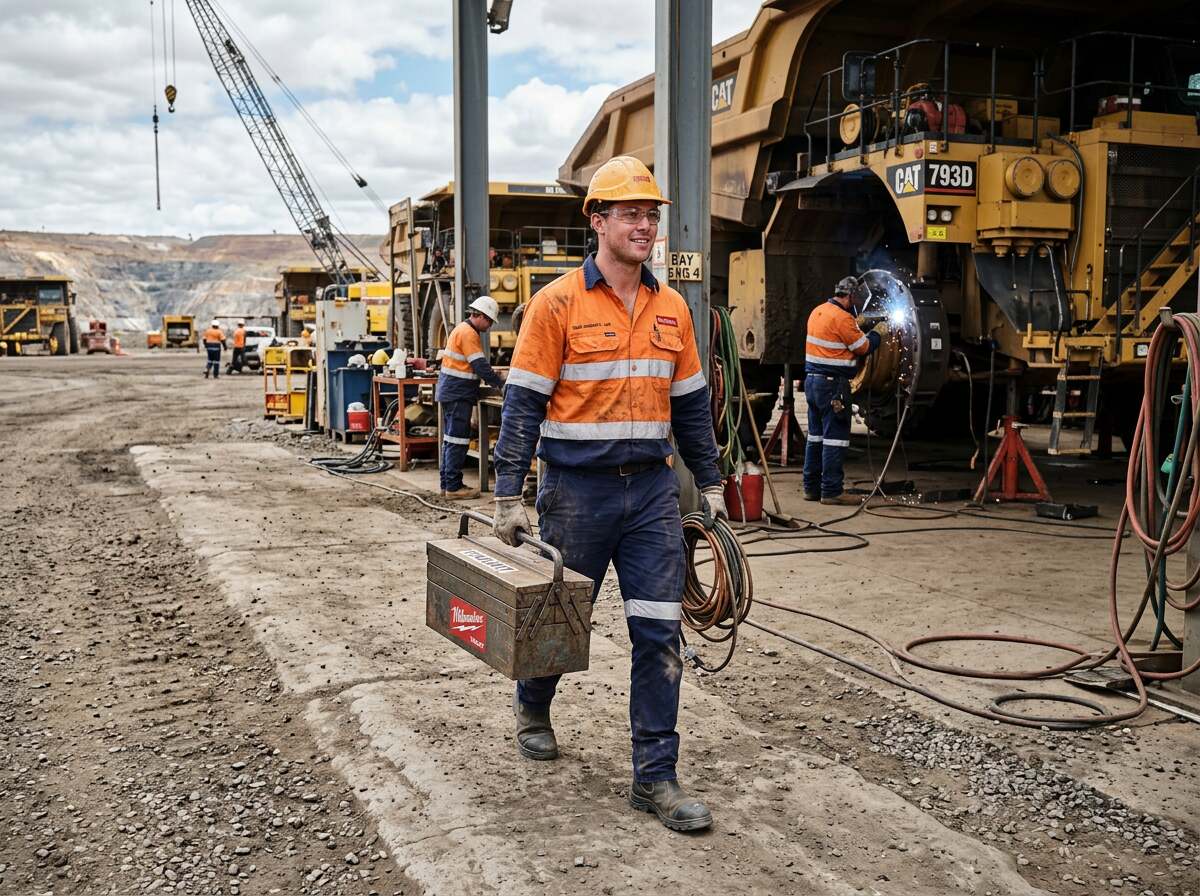
1. Construction and labouring
Typical pay: Often above the national minimum wage, depending on the role, award, casual loading, experience and allowances
Job availability: High in cities and regional areas
White Card: Required
Construction can be a strong option for backpackers and international students looking for accessible entry-level work with the potential for competitive hourly rates.
A common misconception is that you need to be a qualified tradie before you can work in construction. While skilled trades obviously require formal qualifications, many projects also need general workers to assist with a wide range of tasks.
Entry-level roles may include general labouring, trade assisting, site cleaning, moving materials, demolition work, fencing and civil construction support.
The work can be physically demanding, but employers often value reliability and a willingness to learn just as much as previous experience. If you turn up on time, follow safety procedures and work well with the team, you can gain experience that leads to more specialised and better-paying roles.
A White Card is the essential starting point for this type of work because you generally need to complete general construction induction training before carrying out construction work.
2. Civil construction and infrastructure
Typical pay: Varies by project, employer, experience and shift arrangements
Availability: Strong in cities and regional areas
White Card: Required
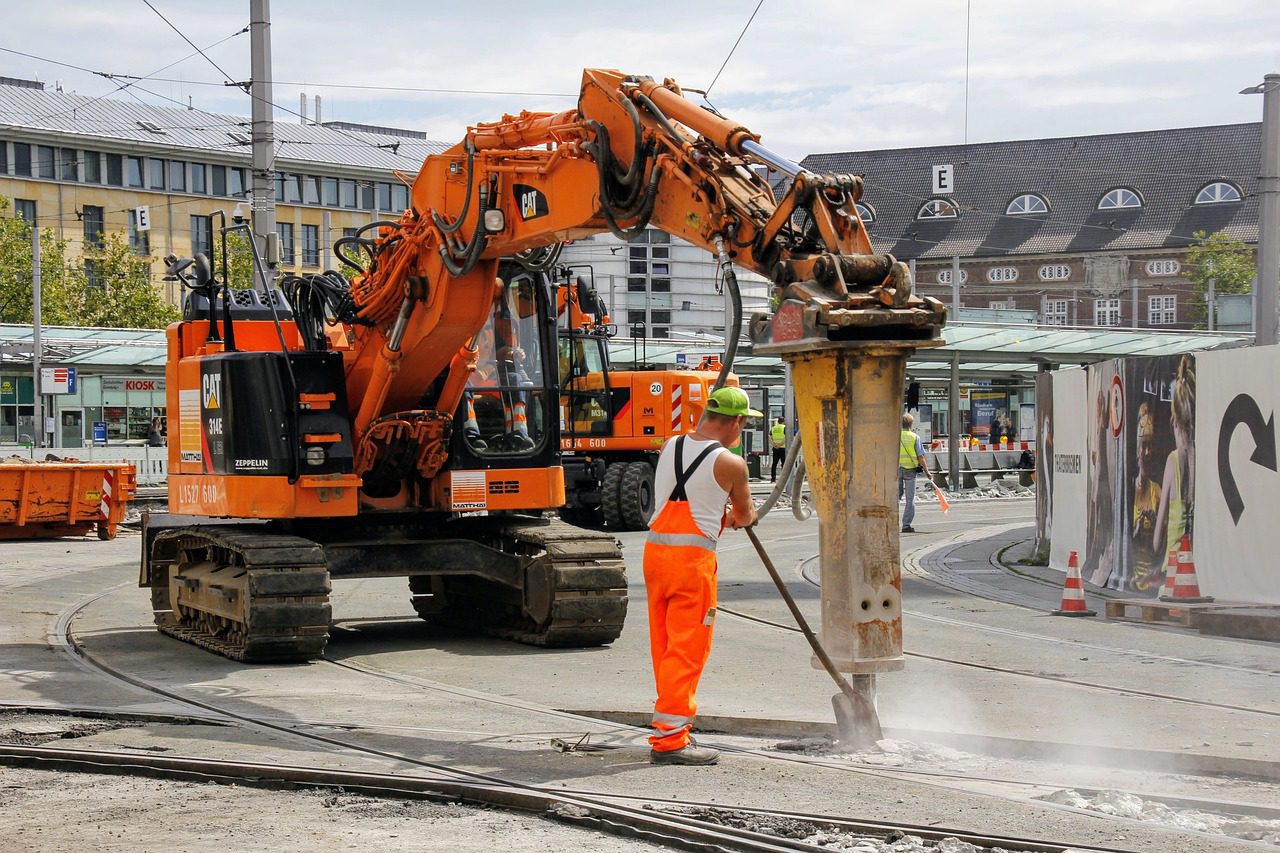
Civil construction is one of the most overlooked areas for people searching for the highest paying working holiday jobs Australia has to offer.
Rather than building houses, civil construction involves major infrastructure such as roads, rail projects, drainage, utilities, bridges and subdivisions.
Large infrastructure projects need significant numbers of workers, including entry-level labourers and site support staff. Depending on the project, workers may assist with general labouring, traffic management, earthworks, utilities or other site activities.
These projects can be particularly attractive because they may operate over long periods and can involve overtime, shift work and allowances, depending on the employer and workplace agreement.
A White Card is an important starting credential for civil construction work. As you gain experience, additional skills and tickets can help you progress into specialised roles.
3. Hospitality and tourism
Typical pay: Varies depending on the award, role, casual status and penalty rates
Availability: Strong in major cities and tourism regions
White Card: Not required
Hospitality remains one of the most common choices for international students and backpackers. Jobs can include waiting tables, working behind a bar, making coffee, working as a kitchen hand, assisting with events or providing hotel services.
The biggest advantage is flexibility. Many hospitality jobs offer evening and weekend shifts, which can work well around university or college timetables.
The downside is that popular jobs can be highly competitive, particularly in major cities. Hours may also vary from week to week.
For some workers, hospitality is ideal because they want a social and customer-facing job. For others, construction, logistics or cleaning may provide a more practical option with better access to entry-level work.
Note that you will need an RSA certificate to serve alcohol and an RSG certificate to work at a casino or gambling venues.

4. Traffic management and traffic control
Typical pay: Can be competitive, particularly for some night, weekend and shift work
Availability: Strong around roadworks and infrastructure projects
White Card: May be required depending on the worksite and role
Traffic management can be a strong option for workers looking for shift work and potentially higher rates. The work may involve controlling traffic around roadworks, assisting with temporary traffic management and working around civil and infrastructure projects.
However, it is important to understand that a White Card alone does not qualify you to work as a traffic controller.
Traffic management requirements vary between states and territories, and workers generally need to complete the relevant state-approved training or hold the required accreditation. Employers may also require additional site inductions.
The potential appeal of traffic management is that some jobs involve evening, overnight or weekend work, which can attract higher rates depending on the applicable award or agreement. It may also suit some international students because shifts can be available outside standard study hours.

5. Mining, resources and shutdown work
Typical pay: Can offer some of the highest earning potential, although rates and entry requirements vary considerably
Availability: Strong in resource regions, particularly Western Australia and Queensland
White Card: Useful for many construction and maintenance roles
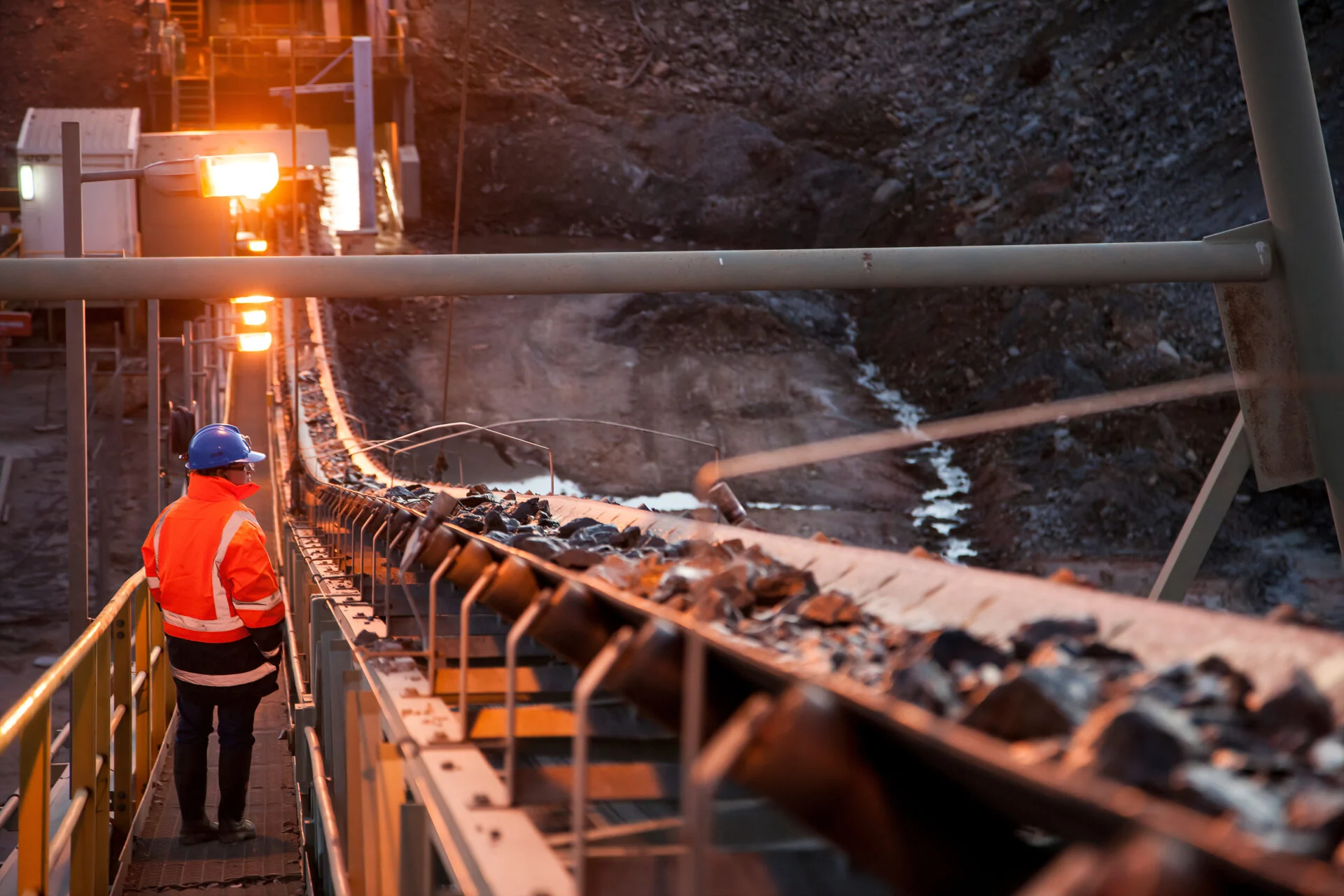
Mining and resources regularly appear in discussions about the highest paying working holiday jobs in Australia.
However, not every mining job is easy to get, and many employers require previous experience, additional tickets, medical clearances or site-specific training. That does not mean international students and backpackers have no opportunities in the sector.
Entry-level and support roles can include cleaning, camp services, warehouse work, logistics, trade assisting, construction and shutdown work. Some employers also recruit workers for remote sites where accommodation and meals may be included as part of the overall employment package.
Shutdown work can be particularly attractive because it often involves intensive, project-based work. These jobs can involve construction, maintenance or support activities and may require a range of safety and technical tickets.
A White Card can be useful for construction and maintenance-related roles, but it is not a universal ticket for mining work. Always check the specific requirements in the job advertisement before applying.
6. Agriculture and regional farm work
Typical pay: Varies by job and lawful piece-rate arrangements
Availability: Seasonal and location-dependent
White Card: Usually not required
Agriculture remains one of the most popular industries for backpackers, particularly those who want to complete eligible specified work for a Working Holiday visa extension.
There is much more to farm work than fruit picking. Depending on the location and season, workers may be employed in packing sheds, vineyards, livestock operations, machinery support and general property maintenance.
For people who have a White Card, there may also be opportunities involving construction-related work on rural properties, such as fencing, repairs, maintenance and the construction or repair of farm structures.
A White Card is not normally required for general agricultural work, but it can be useful when your role includes construction-related duties.
If you are relying on regional or agricultural work for a visa extension, do not assume that the job will automatically qualify. Check the current specified work requirements before you accept the position.

7. Warehousing and logistics
Typical pay: Varies depending on shift times, experience and licences
Availability: High around major cities and industrial areas
White Card: Not usually required
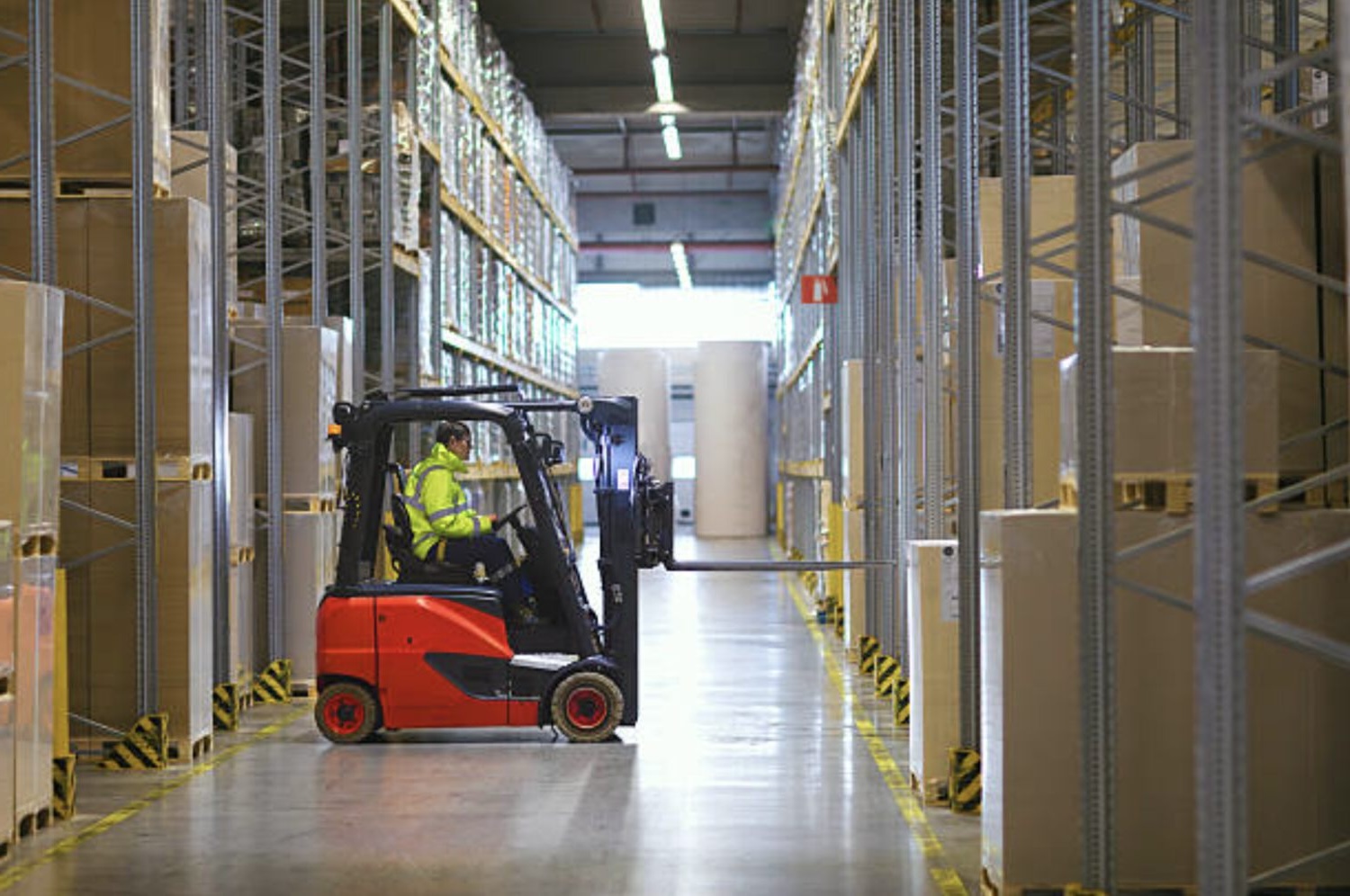
Warehousing and logistics can be one of the best jobs for international students in Australia because many employers offer shifts outside normal business hours.
Common entry-level jobs include pick packing, dispatch, general warehouse work and storeperson roles. Workers with the appropriate forklift licence can access a broader range of opportunities, although a separate licence is required to operate a forklift.
The industry can be particularly useful for students who attend classes during the day and want evening, overnight or weekend shifts.
A White Card is not generally required for ordinary warehouse work. However, it may be useful if you are involved in delivering materials to construction sites or working in a role connected to construction projects.
8. Cleaning, facilities and site services
Typical pay: Varies depending on the industry, location and shift times
Availability: Broad across cities, tourism regions and regional centres
White Card: Required for work on construction sites
Cleaning and facilities work can be an accessible option for international students and backpackers because previous experience is not always essential.
Opportunities range from commercial cleaning and hotel housekeeping to construction site cleaning and builders cleans. There are also roles in mining and remote site services, including camp cleaning and facilities support.
The flexibility of the industry is one of its main advantages. Early morning, evening and weekend shifts may be available, making it easier to combine work with study or travel.
A White Card is not required for all cleaning jobs. However, if you are carrying out work on an active construction site, you will generally need to meet the relevant general construction induction requirements.

9. Aged care and disability support
Typical pay: Often above the national minimum wage, with additional penalty rates for evening, weekend and overnight shifts
Availability: High and growing across cities and regional areas
White Card: Not required
Aged care and disability support is one of the fastest-growing sectors in Australia, driven by an ageing population and the ongoing expansion of the NDIS. It’s also one of the more accessible pathways into steady, well-paid work for international students.
Entry-level roles can include personal care assistance, in-home support, community access support and companionship work. Many employers accept a Certificate III in Individual Support as the minimum qualification, and some support workers begin with on-the-job training while studying toward that certificate part time.
The appeal for international students is real flexibility. Shifts can run early morning, evening, overnight or weekend, and providers often need staff across a wide spread of hours, which can work well around a class timetable. Because much of the work involves one-on-one or small-group support, previous Australian work experience isn’t always essential, employers tend to value reliability, patience and a genuine interest in the work.
A White Card isn’t required for this kind of support work, but it can become relevant if a role involves maintenance, minor repairs or construction-related tasks at a residential facility or on a client’s property.

10. Food delivery and rideshare
Typical pay: Varies significantly by hours worked, location, demand and platform, generally paid per job rather than an hourly wage
Availability: High in most cities, lower in regional areas
White Card: Not required
Food delivery and rideshare work has become one of the most common ways international students and backpackers pick up flexible income around study or travel plans. Platforms generally let you choose your own hours, which makes this option genuinely adaptable around exams, classes or travel.
There are a few important differences from other jobs on this list worth understanding before signing up. Most delivery and rideshare platforms engage workers as independent contractors rather than employees, which means you’ll typically need an ABN, your own vehicle, bike or scooter, and appropriate insurance. Earnings aren’t guaranteed and can vary a lot depending on the time of day, weather and local demand.
It’s also worth checking how this type of work interacts with your visa conditions. Because contractor income isn’t always counted the same way as employee hours, it’s worth confirming your specific visa’s requirements before relying on it as a main source of income, particularly for student visa holders tracking their fortnightly work limit.
A White Card isn’t required for delivery or rideshare work, but it’s worth knowing about if you’re using this kind of flexible work as a bridge while you complete White Card training and move toward construction or site-based roles instead.

How to find better-paying work in Australia
The way you search can make a difference. Instead of searching only for ‘backpacker jobs’, try using the actual job titles employers advertise.
Searches for roles such as construction labourer, trade assistant, or civil labourer can uncover opportunities that are not marketed specifically to backpackers.
Adding terms such as ‘entry level’, ‘no experience’, ‘casual’ or ‘immediate start’ can also help.
Labour hire agencies can be another useful entry point, particularly for construction and infrastructure work. Agencies may need workers for short-term projects, and being registered with more than one agency can increase the number of opportunities you see.
Before applying, make sure your resume clearly shows your White Card, relevant licences and tickets, driver’s licence, work rights and availability. Employers hiring for labouring and project work can move quickly, so having your documents organised before you apply can give you an advantage.
Frequently Asked Questions
What are the best jobs for international students in Australia?
Some of the best options include hospitality, retail, warehousing, cleaning, construction, civil labouring, logistics and tourism. The right job will depend on your visa conditions, location, experience and availability. Students may also prefer jobs offering evening, weekend or flexible shifts that fit around their studies.
What are the highest paying working holiday jobs in Australia?
Construction, mining and resources, civil infrastructure, shutdown work and some regional or remote roles can offer strong earning potential for Working Holiday Makers. However, the highest advertised hourly rate does not necessarily mean the highest overall income. Consider guaranteed hours, overtime, penalty rates, allowances, accommodation and living costs when comparing jobs.
Can I get a job in Australia with no experience?
Yes. Many entry-level jobs are available to people with little or no previous experience, including hospitality, cleaning, warehousing, farm work, construction labouring and some site-support roles. Having relevant training, licences or tickets can increase the number of jobs you can apply for.
Do international students need a White Card to work in Australia?
A White Card is not required for most jobs available to international students. It is required before carrying out construction work in Australia. If you want to apply for construction labouring, civil construction or other roles involving construction work, completing the required general construction induction training can open up additional opportunities.
Can backpackers work in construction in Australia?
Working Holiday Makers can work in construction provided their visa conditions allow the work and they meet the requirements of the particular job. A White Card is required before carrying out construction work, and some employers may also require additional tickets, licences, inductions or experience.
Can international students work full-time in Australia?
International students are limited to 48 hours of work per fortnight while their course is in session. Different rules can apply during scheduled course breaks and depending on the individual visa. Always check your current visa conditions before accepting employment.