Key Takeaways
- Construction offers more opportunities for women than ever before. Women are building successful careers across every part of the construction industry.
- The demand for skilled construction workers is expected to remain strong with ongoing housing, infrastructure and renewable energy projects.
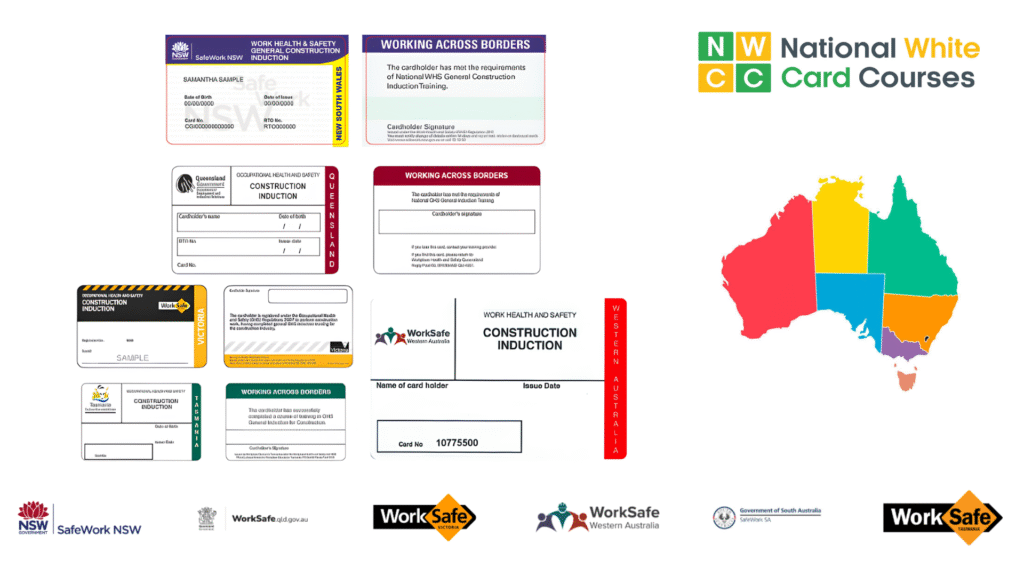
- A White Card is the first step into almost every on-site construction role. It’s a legal requirement for working on Australian construction sites.
- You don’t need previous construction experience to get started. Many women successfully transition from retail, hospitality, healthcare, administration and other industries.
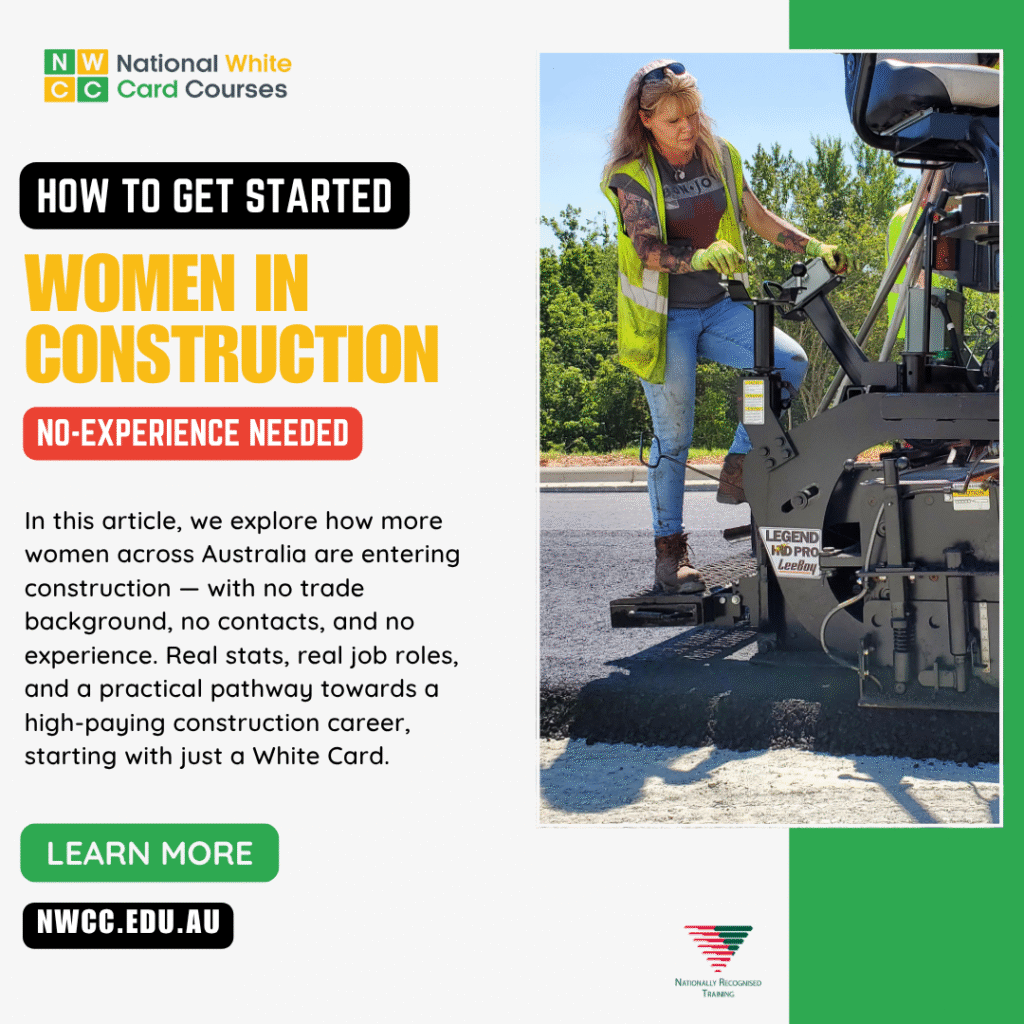
For generations, construction was viewed as a male-dominated industry, but that’s rapidly changing. Across Australia, more women are choosing careers in construction than ever before, working in everything from residential housing and commercial building projects to major infrastructure. Some women even work in mining and renewable energy developments.
The shift is being driven by more than changing attitudes. Australia’s growing demand for skilled construction workers, combined with significant investment in housing, transport and energy projects, has created strong employment opportunities. Employers are increasingly looking beyond traditional recruitment pathways and actively encouraging more women to join the industry.
Leaving school, changing careers or returning to the workforce? Construction offers opportunities across a wide range of roles. From entry-level labouring and traffic control through to skilled trades, site supervision and project management, there are more pathways into the construction industry for women than many people realise.
Select Your State
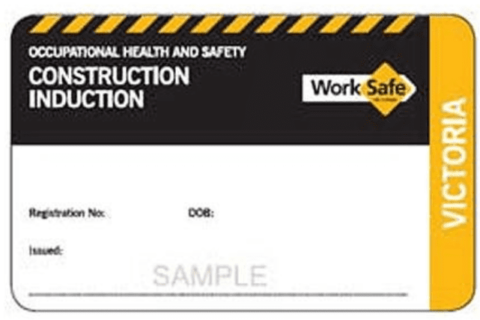
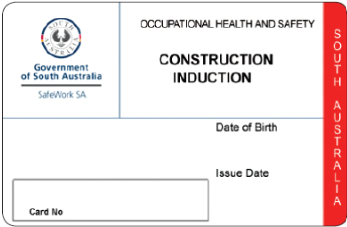
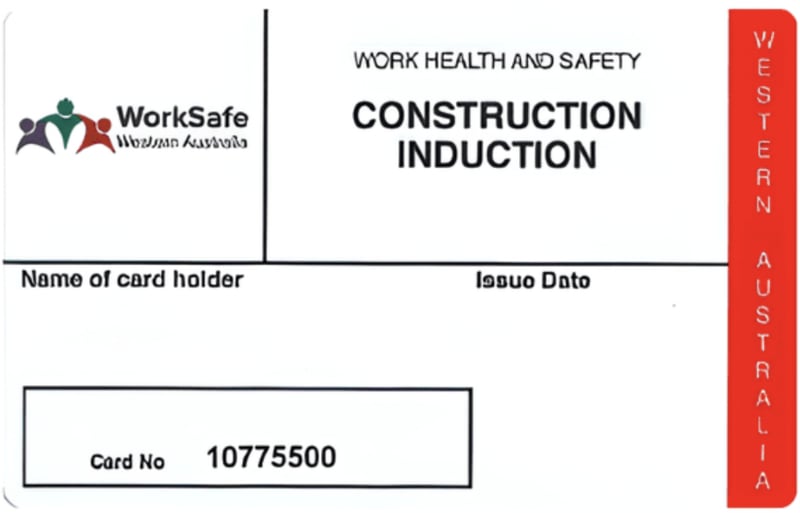
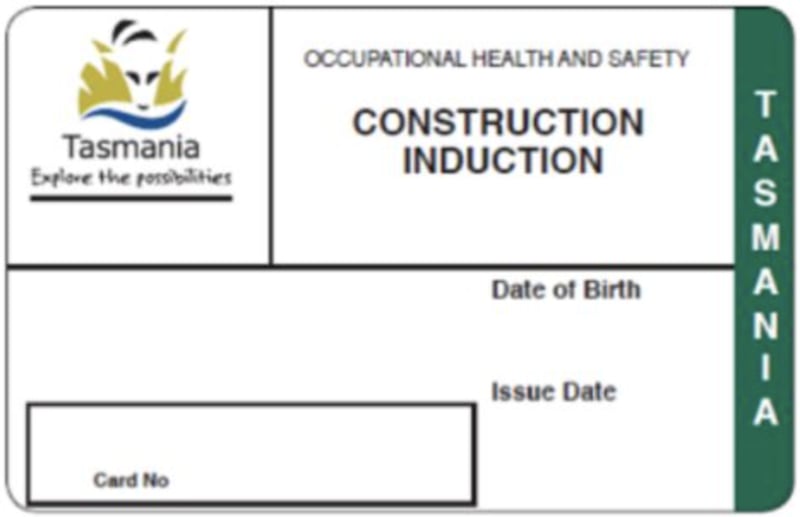
You must complete your White Card course in the state where you live. Please select the state you live in below.


Women in Construction by the Numbers
According to Jobs and Skills Australia, the construction sector currently employs 1.37 million people and 13 per cent of those workers are female. Further data from Master Builders Australia indicates the number of women working in the sector has almost tripled in the past 40 years from around 60,000 female workers in 1985 to around 170,000 in 2023.
The number of women entering the industry has grown significantly, but the overall construction workforce has also expanded. As a result, female representation has generally remained between 12 and 15% of the workforce. And that’s something the construction sector is actively trying to change, via increased awareness, funding, scholarships, and paid training in addition to initiatives such as Women Building Australia.
There’s also a push to see women embrace more hands-on roles. Traditionally, women in construction have been concentrated in administration and professional roles.
Apprenticeships are playing a major role in this shift. Across Australia, governments, training organisations and employers are working to encourage more female apprentices to enter the industry through scholarships, mentoring programs, financial incentives and targeted recruitment initiatives. For many women, an apprenticeship provides a practical way to earn an income while gaining nationally recognised qualifications.

Construction Careers for Women
Construction careers for women are far more diverse than many people realise. While trades such as carpentry and plumbing remain popular, there are dozens of roles available for people with different interests, strengths and experience levels.
Entry-level Construction Jobs
Many women begin their construction industry careers in entry-level positions that require little or no previous industry experience beyond obtaining a White Card. Common roles include:
- General construction labourer
- Civil construction worker
- Traffic controller
- Site cleaner
- Trade assistant
- Driller’s offsider
- Warehouse and logistics support for construction projects
These roles provide valuable on-site experience while allowing workers to explore different areas of the industry.
Trades
For those interested in completing an apprenticeship, construction offers a wide range of rewarding trades, including:
- Carpentry
- Plumbing
- Electrical
- Painting and decorating
- Bricklaying
- Plastering
- Roofing
- Tiling
Qualified tradespeople often enjoy excellent long-term earning potential and may eventually establish their own businesses, and many go on to become business owners, site supervisors or construction managers.
Leadership Roles
Construction isn’t only about working on the tools. As experience grows, many women move into specialist or leadership positions such as:
- Plant operator
- Survey assistant
- Work Health and Safety (WHS) officer
- Estimator
- Site administrator
- Project coordinator
- Site supervisor
- Construction manager
These roles combine technical knowledge with communication, planning and leadership skills, making them ideal for people who enjoy problem-solving and managing projects.
Many women who enter construction later in life find that the organisational, customer service and leadership skills they’ve developed in previous careers transfer exceptionally well to these positions.

Why Construction Demand is Set to Remain Strong
Construction is already facing a significant skills shortage, and industry experts don’t expect that demand to ease anytime soon. Jobs and Skills Australia continues to identify many construction trades as being in national shortage, while the industry comprises 9.3 per cent of Australia’s workforce making it one of the country’s largest employers.
The challenge isn’t simply filling today’s vacancies. Over the next five to 10 years, demand for skilled workers is expected to remain strong as Australia delivers major housing, infrastructure and energy projects, while many experienced tradespeople will soon reach retirement age.
In fact, several long-term factors are expected to keep construction employers recruiting, including:
- Australia’s ongoing housing supply targets
- Major road, rail and infrastructure projects
- Renewable energy developments
- Population growth and urban expansion
- The replacement of an ageing construction workforce through retirement
These long-term trends mean employers are increasingly looking beyond traditional recruitment pathways. Women are playing an increasingly important role in helping meet future workforce needs, with more companies investing in apprenticeships, mentoring programs and initiatives designed to attract and retain female workers.
For jobseekers, this creates a genuine opportunity. As Australia’s third largest employing industry, construction continues to offer competitive salaries, strong job security and clear career progression, making it one of Australia’s most promising industries for people looking to build a long-term career rather than simply find their next job.
In fact, even entry-level construction jobs often pay significantly more than equivalent roles in retail, hospitality and some administrative industries, making construction an attractive option for career changers.

Common Myths about Women in Construction
Although the industry has changed significantly, a few outdated myths still discourage some women from considering construction as a career.
Myth: You Need to be Physically Strong
While some construction roles are physically demanding, modern worksites rely heavily on machinery, mechanical lifting equipment and safe work procedures. Team lifting, specialised tools and strict workplace safety requirements mean construction today is far less reliant on brute strength than many people assume.
Employers are far more interested in workers who follow safety procedures, communicate well and are willing to learn.
Myth: Construction is Only for Men
The stereotype of construction being a male-only industry is rapidly disappearing.
Across Australia, more women are working as apprentices, machinery operators, site supervisors, engineers, project managers and business owners. Employers increasingly recognise that diverse teams bring different perspectives, stronger communication and improved problem-solving on site.
Myth: I’m too Old to Start
Many people begin construction careers in their 30s, 40s and beyond. Career changers often bring valuable workplace skills such as organisation, customer service, leadership and reliability, which are all qualities employers highly value.
If you’re prepared to learn and work safely, age is rarely a barrier.
Myth: You Need Years of Experience
Every construction professional started somewhere. Most entry-level roles require only a White Card before you begin applying for work. From there, employers provide on-the-job training, apprenticeships or opportunities to complete additional licences and tickets as your career develops.
The most important qualities are reliability, a positive attitude and a willingness to learn.
Is Construction a Good Career for Women?
For many women, yes. Construction offers competitive pay, real career progression and long-term job security that’s hard to match in most other industries. And the variety of roles is very wide.
You could work on the tools after completing an apprenticeship, or build a career in traffic management, plant operation, health and safety, estimating, site supervision or project management. As your skills grow, you can specialise, take on leadership roles or even start your own business.
The pay is a major draw. Starting out as a labourer, trade assistant or traffic controller, you’re looking at around $65,000 to $85,000 a year. Qualified tradies like carpenters, electricians and plumbers typically earn $90,000 to $120,000, with seasoned tradies on major projects pulling in even more. Site supervisors and plant operators commonly earn $120,000 to $150,000 or more, particularly on civil, infrastructure and mining projects. At the senior end, construction managers and project managers can earn $150,000 to $200,000 or more, depending on the role and qualifications.
Plenty of employers are actively recruiting women as they build more diverse teams and deal with ongoing skills shortages. The culture has shifted a lot in recent years, with more employers putting money into mentoring programs, better site facilities and proper support structures.
For anyone after strong earning potential, practical work and real long-term prospects, construction is worth a serious look. And for almost every on-site role, it all starts with your nationally recognised White Card.

How to Get Started in Construction
If you’re considering a career in construction, getting started is often much simpler than people expect.
Many women assume they need years of trade experience, expensive qualifications or industry contacts before they can even apply for a job. In reality, many employers are looking for people who are reliable, safety-conscious and willing to learn.
Plenty of women enter the industry from completely different careers, including retail, hospitality, healthcare, administration and education. While some specialised roles require apprenticeships or additional licences, many entry-level positions have relatively few barriers to entry. Here’s how to get started.
Step 1: Complete your White Card Training
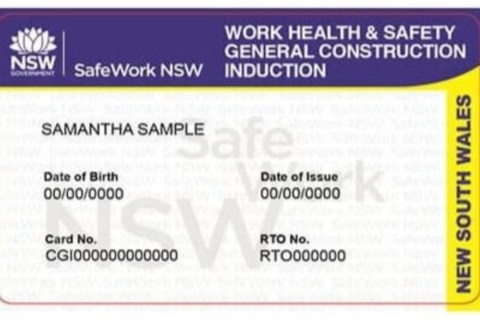
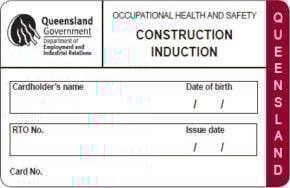
A White Card is the mandatory safety qualification required to work on Australian construction sites.
The nationally recognised CPCWHS1001 Prepare to Work Safely in the Construction Industry course teaches you how to identify workplace hazards, understand your legal responsibilities and follow safe work practices on site. Without a White Card, you generally cannot legally enter an active construction site for work.
Step 2: Decide what Type of Construction Work Interests You
One of the biggest surprises for many people is just how diverse the construction industry really is. It’s not just about building houses or becoming a tradie.
You could find yourself working on residential homes, commercial buildings, major road and rail projects, renewable energy developments, mining operations or large-scale civil infrastructure. You might even discover that traffic management or an apprenticeship in a skilled trade is the right fit for you.
You don’t need to have your entire career mapped out before you begin, but taking some time to explore the different pathways can help you identify the type of work that interests you most. It will also give you a better idea of whether you’ll need any additional licences, tickets or qualifications as you progress.

Step 3: Build your Qualifications
While many entry-level positions only require a White Card, additional training can expand your employment opportunities.
Depending on the role, you may choose to obtain:
- First Aid and CPR
- Working at Heights
- Traffic Control qualifications
- High Risk Work licences
- Plant operator tickets
- Heavy vehicle licences
After all, a Working at Heights ticket may be useful if you’re interested in roofing or commercial construction, while a Traffic Control qualification can open the door to roadwork and civil infrastructure projects.
The good news is you don’t need to complete every course straight away. Many people build their qualifications as new opportunities arise.
Step 4: Prepare a Construction-ready Resume
Don’t worry if you’ve never worked in construction before. Employers know that everyone has to start somewhere, and many are happy to train people who have the right attitude.
Instead of focusing on what you haven’t done, think about the skills you’ve developed in previous jobs. If you’ve worked in retail, hospitality, healthcare, administration, education or another industry, you’ve probably built valuable qualities like reliability, teamwork, communication, problem-solving and time management. These are all skills that construction employers look for.
A well-written resume that highlights your work ethic, willingness to learn and commitment to safety can often be just as important as previous construction experience, particularly when you’re applying for entry-level roles.
Step 5: Start Applying for Jobs
Once you’ve completed your White Card, it’s time to start putting yourself out there. Don’t feel like you have to wait until you’ve got every ticket or qualification before you begin applying. Many employers are looking for people who are reliable, eager to learn and ready to get started.
There are plenty of places to find construction jobs, including labour hire companies, apprenticeship providers, local councils and major construction companies.
Register with labour hire companies, keep an eye on online job boards like SEEK, look for apprenticeships if you’re interested in learning a trade, and check the careers pages of construction companies and local councils. You can also build valuable connections by joining local industry groups or networking with people already working in construction.
The good news is that construction recruitment happens all year round. As new housing developments, infrastructure projects and civil works get underway, employers are regularly looking for new workers. If you don’t land the first job you apply for, don’t be discouraged.
Frequently Asked Questions
I’m not physically strong, will that hold me back in construction?
Not at all. While some roles require physical fitness (like labouring or off-siding), many others rely on equipment, coordination, and problem-solving — not brute strength. In fact, a lot of women outperform their male coworkers because they work smarter, communicate better, and take safety more seriously.
I’ve never worked in construction, how do I know if it’s for me?
You won’t know until you step into it. But if you’re someone who’s practical, reliable, and wants better pay or job stability, construction is worth exploring. Start with your White Card — it’s low-commitment, affordable, and opens the door to multiple pathways. Plenty of women come through our training not sure if they’ll stick with it — then end up loving the work.
What's it actually like being a woman on a construction site day to day?
Some sites have a great culture right from day one. Others take a bit of time to warm up. Most women find that once they show up consistently, work safely and pull their weight, they earn respect quickly.
The industry has come a long way in recent years, and most employers know that a good worker is a good worker. Awkward moments still happen, but they’re far less common than they used to be. If a workplace crosses the line, you have legal protections under Australian workplace laws and the right to report it through Fair Work or your state’s WHS regulator.
I’m worried about being the only woman on-site. Is that still common?
It depends on the site, but it’s changing. More women are entering the industry than ever, and many employers actively try to create more inclusive crews. You may still find yourself in the minority, but you won’t be alone. You’ll find support, respect, and plenty of women who’ve already made the transition and are willing to help others through.
Are there scholarships or financial support specifically for women entering construction?
Yes, and there’s more available than most people realise. Various state and federal government programs offer funding for women completing construction apprenticeships or trade qualifications.
Industry groups like Master Builders Australia and the HIA run targeted initiatives, and some large construction companies offer paid cadetships or traineeships specifically aimed at women. It’s worth checking what’s available in your state before you start, as funding programs change regularly and some cover course fees, tools and even living expenses.
Can I get a White Card course that fits around my schedule?
Can you work part-time or on flexible hours in construction?
On-site work like labouring, traffic control and trades tends to follow set shift patterns, but part-time arrangements are more common than people expect, particularly in traffic management, site administration and WHS roles.
As you move into project coordination, estimating or management positions, there’s often more room to negotiate hours. Labour hire also gives you more control over when and how much you work, which suits a lot of people who are juggling other commitments.
Get Your Official Construction Industry White Card at a Location Near You!