
How to Work in the Mines: Step-by-Step Guide
The mining industry in Australia offers strong pay, career opportunities and a wide range of roles. You don’t always need previous mining experience to get started. There are entry-level jobs available in labouring, drilling support, maintenance and site services.
This guide explains how to work in the mines, what qualifications you may need and where to find jobs.
10-minute read
In Short
- You can work in the mines without experience. Entry-level positions, traineeships and support roles can provide a pathway into the industry.
- Not every mining job requires the same qualifications. Requirements depend on the role, mine site and state or territory.
- A White Card is often required.White Card training is necessary for construction work on mine sites, but isn’t a universal requirement for every mining job.
- FIFO isn’t your only option. Mining jobs can involve fly-in fly-out, drive-in drive-out or residential employment arrangements.
- Preparation will improve your chances. Relevant safety training, a well-targeted resume and a willingness to work in remote locations can help you stand out.
Book your White Card with National White Card Courses
Ready to get your first mining job? You likely need a White Card before starting. Check the requirements and book your spot at the next available White Card course.
Need a hand choosing? Call 1300 988 181.
How to work in the mines in Australia
Getting into mining usually starts with choosing the type of role you want, checking the licences or training it requires, and building experience that matches the job.
The steps below cover the main things to organise before applying, from selecting a mining role and work location to preparing your resume and completing recruitment checks.
Step 1: Understand the different types of mining jobs
Before applying for mining jobs, it’s worth understanding the different roles available and where your existing skills might fit.
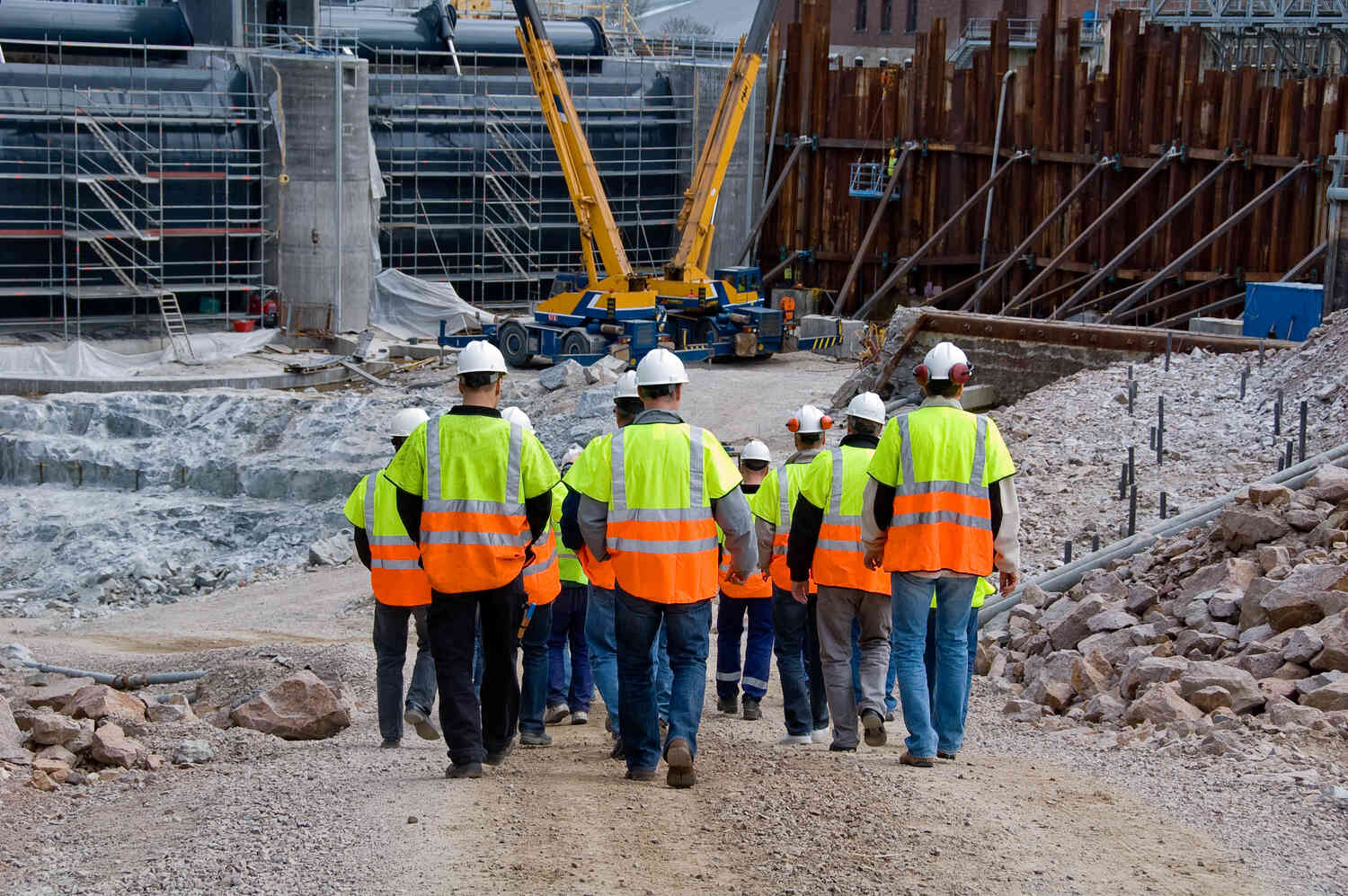
Australia’s mining industry is much broader than operating machinery or extracting minerals. Mines rely on workers across construction, maintenance, transport, administration, hospitality and other support services.
According to Jobs and Skills Australia, the mining industry employs approximately 314,500 people, with most jobs concentrated in Western Australia and Queensland.
Some common mining jobs include:
- Mining labourers: Assist with general site duties, equipment handling, cleaning and maintenance support.
- Driller’s offsiders: Support drilling crews by handling equipment, preparing drilling areas and assisting with operations.
- Dump truck operators: Operate large haul trucks used to transport material around mine sites.
- Plant and machinery operators: Operate equipment such as excavators, loaders and other heavy machinery.
- Tradespeople: Electricians, diesel mechanics, fitters, boilermakers and other qualified tradespeople maintain mining equipment and infrastructure.
- Mining engineers and geologists: Provide technical expertise in mine planning, mineral exploration and production.
- Site support workers: Work in cleaning, catering, accommodation, administration and other services that keep mining operations running.
Some positions require extensive training or experience, while others offer opportunities for newcomers.
If you’re starting from scratch, focus on jobs that specifically advertise entry-level opportunities or on-the-job training.
Step 2: Decide where and how you want to work
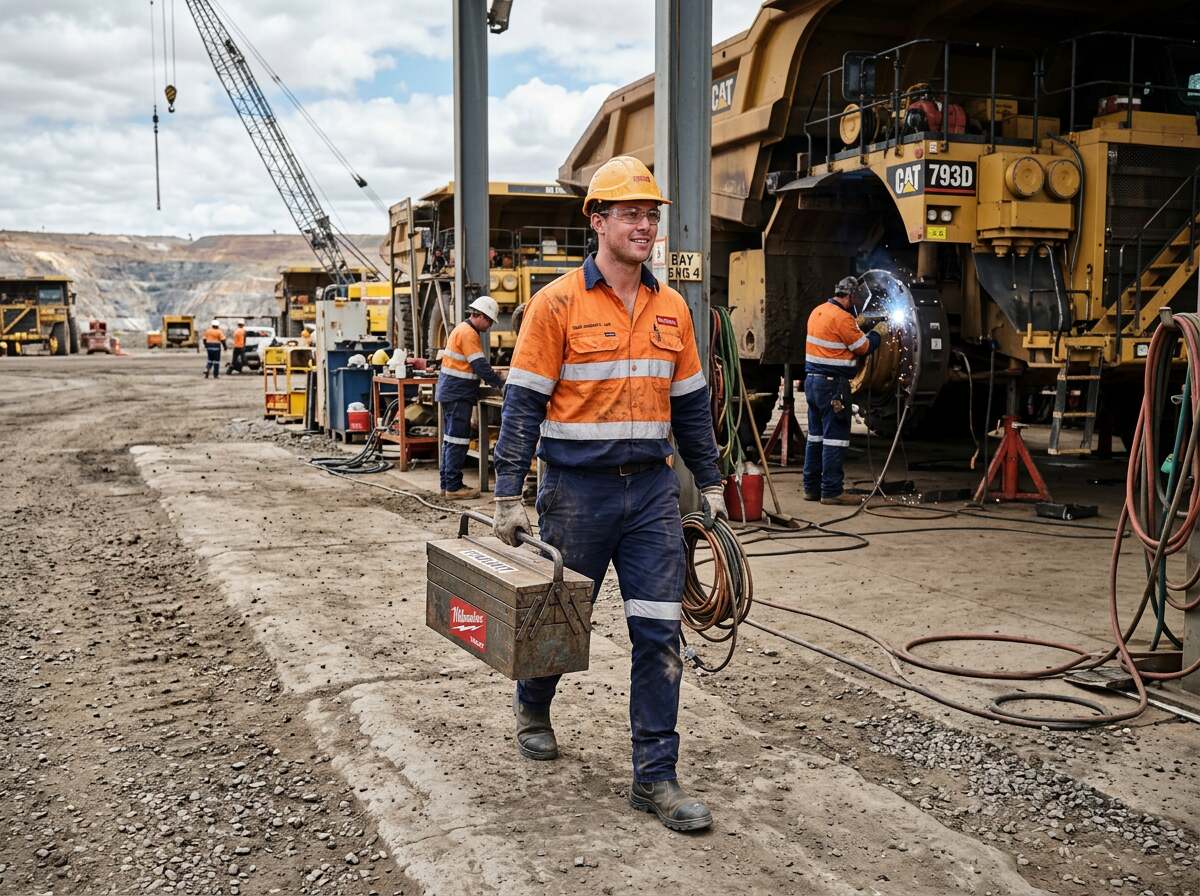
Mining jobs are available across Australia, with major employment areas including Western Australia’s Pilbara and Goldfields, Queensland’s Bowen Basin, and parts of NSW, South Australia, the Northern Territory and Tasmania.
You’ll also need to decide which work arrangement suits you. FIFO involves flying to remote sites for rostered shifts, DIDO involves driving to site, and residential roles mean living near the mine and travelling to work each day.
Your location and work arrangement can affect the roles available, roster, travel requirements and qualifications you may need.
For remote mining work, read our guide to White Cards for FIFO jobs.
Step 3: Check the qualifications needed to work in the mines
Some entry-level mining positions provide training, while technical, trade and machinery operation roles generally require specific qualifications, licences, competencies or experience. Common requirements may include:
- Driver’s licence: Many employers require a current driver’s licence, sometimes an unrestricted licence.
- White Card: Required for construction work carried out on mine sites.
- Mining safety induction: Some mining operations require industry-specific induction training before workers commence.
- High-risk work licence: Necessary for certain activities involving regulated high-risk equipment.
- Trade qualifications: Required for positions such as electricians, fitters and diesel mechanics.
- First aid training: May be required or preferred for particular roles.
Employers may also require medical assessments, drug and alcohol screening, evidence of fitness for the role and site-specific safety training.
Step 4: Look for entry-level mining jobs with no experience
If you’re wondering how to work in the mines with no experience, finding the right entry-level position is often the biggest challenge.
Mining employers may prefer experienced candidates for production and equipment operation roles, but there are opportunities for newcomers willing to learn. Some positions worth investigating include:
Driller’s offsider
Driller’s offsiders assist drilling crews with equipment, tools and day-to-day operations.
The work can be physically demanding and often involves long shifts in remote locations, but it can provide an entry point into drilling and exploration.
Mining labourer
Mining labourers perform general duties around operational sites and may assist with maintenance, materials handling and other support tasks.
Requirements vary depending on the employer and the work involved.
Trades assistant
Trades assistants support qualified tradespeople with tools, materials, equipment preparation and general workshop or maintenance duties.
This can be a useful pathway for someone with construction, mechanical or industrial experience.
Mine site cleaning and hospitality
Mining camps need cleaners, kitchen staff, catering assistants and accommodation workers.
These positions can provide an introduction to remote-site working arrangements without requiring previous mining production experience.
Traineeships and apprenticeships
Mining companies and contractors also offer apprenticeships and traineeships in areas such as mechanical trades, electrical work and equipment operation.
These pathways combine practical experience with structured training and can lead to long-term careers.
Tip: Don’t limit your search to jobs with ‘mining’ in the title. Terms such as ‘entry-level FIFO’, ‘driller’s offsider’, ‘mine site utility’, ‘trades assistant’ and ‘mining trainee’ can uncover different opportunities.
Step 5: Prepare your resume for mining work
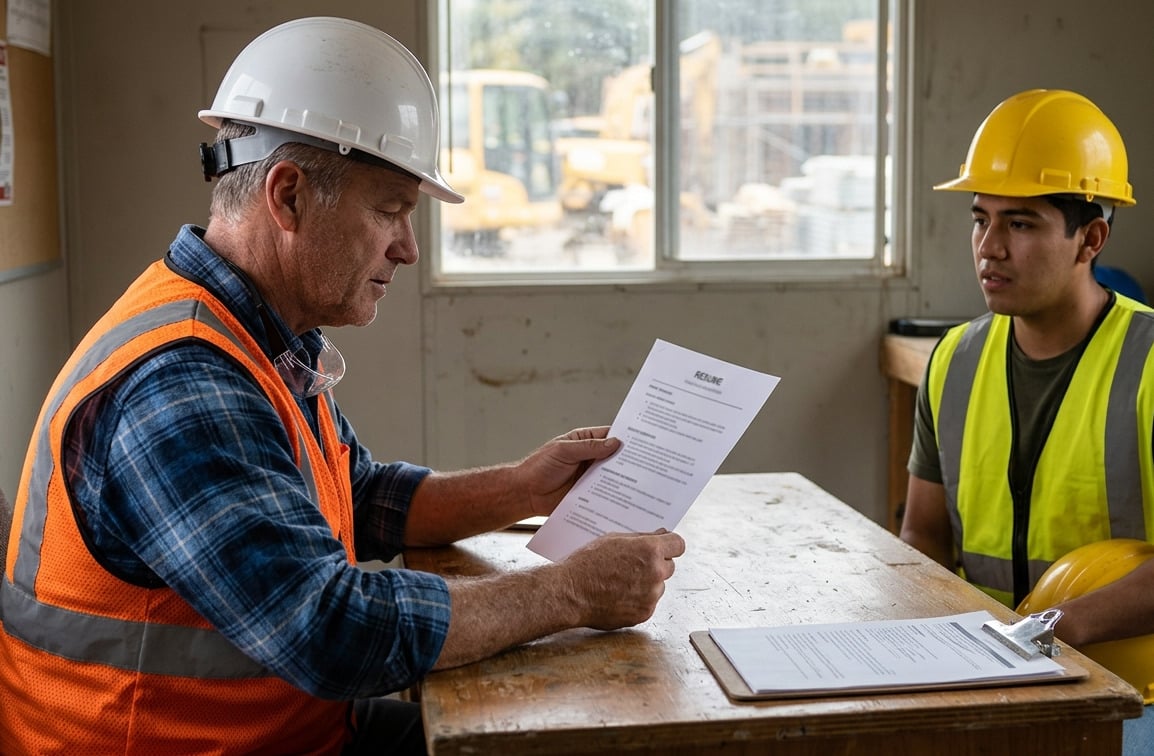
Your resume should demonstrate that you’re reliable, safety-conscious and capable of meeting the demands of the role.
Even if you haven’t worked in mining before, you may already have transferable skills that employers value.
For example, experience in construction, warehousing, agriculture, transport, hospitality or manufacturing can demonstrate your ability to work in physically demanding or safety-focused environments. When preparing your resume:
- Highlight relevant experience: Include previous roles involving machinery, manual work, safety procedures, shift work or teamwork.
- List your qualifications and licences: Mention relevant training, tickets, licences and certifications you already hold.
- Demonstrate your safety awareness: Explain any experience following workplace safety procedures or identifying hazards.
- Show your availability: If you’re willing to work FIFO rosters, relocate or undertake remote work, make this clear.
- Tailor each application: Match your skills and experience to the requirements of the advertised position.
If you’re applying for your first mining job, employers won’t necessarily expect you to have industry experience. However, they will want evidence that you understand the demands of the job and are prepared to work safely.
Step 6: Apply and prepare for mining recruitment and site requirements
Once you start applying for mining jobs, be prepared for a recruitment process that may include interviews, reference checks and verification of your licences, tickets and qualifications.
Depending on the role, you may also need to complete a pre-employment medical, drug and alcohol screening, physical capacity testing or background checks.
Before starting on site, employers may require online safety training and a site-specific induction covering workplace hazards, emergency procedures and site rules. Even experienced mining employees usually need to complete a new induction when moving to a different mine.
You can find places to search for mining jobs in the FAQ section below.
Step 7: Be prepared for life working in the mines
Mining can be financially rewarding, but the work isn’t necessarily suited to everyone. Depending on the position, you may need to work long shifts, rotating rosters, nights or extended periods away from home.
Remote mining operations can also involve challenging weather conditions and physically demanding work.
Before accepting a position, it’s worth considering how the roster and time away from home might affect your family and personal commitments, whether you’re comfortable with the physical demands of the job, and what accommodation and travel arrangements are provided.
You’ll also need to be prepared to follow strict safety procedures and work effectively as part of a team. Understanding these expectations before applying can help you choose a mining role that suits your circumstances.

Frequently Asked Questions
How much can you earn working in the mines?
According to Jobs and Skills Australia, median weekly earnings across the mining industry were approximately $2832 in 2026, compared with $1741 across all industries.
However, this is an industry-wide figure and shouldn’t be interpreted as the starting salary for someone entering mining with no experience.
Entry-level labourers, site support workers and trainees may earn considerably less than experienced equipment operators, tradespeople or technical specialists.
FIFO arrangements, shift allowances, overtime and remote-location conditions can also influence total earnings.
Where to find a mining job?
There are several places where you can find a mining job in Australia, which we list here.
Online job boards
Start with major Australian employment websites such as SEEK, Indeed, and Jora. Use a combination of location, occupation and experience-level keywords.
For example, searches for ‘entry-level mining jobs WA’, ‘mining jobs no experience QLD’ or ‘FIFO traineeships’ may help narrow your results.
Mining company careers pages
Check the careers sections of major mining companies and operators, including BHP, Rio Tinto, Fortescue and Glencore.
Look for apprenticeship programs, traineeships, graduate opportunities and entry-level recruitment campaigns.
Mining recruitment agencies
Specialist recruitment agencies can help connect applicants with mining companies and contractors.
Agencies such as WorkPac, Programmed and Techforce Personnel advertise mining and resource-sector opportunities.
Some positions are temporary or contract-based, while others may lead to longer-term employment.
Mining contractors
Not everyone working at a mine is directly employed by the company operating it.
Contractors provide drilling, construction, maintenance, transport and other services.
Do you need a White Card to work in the mines?
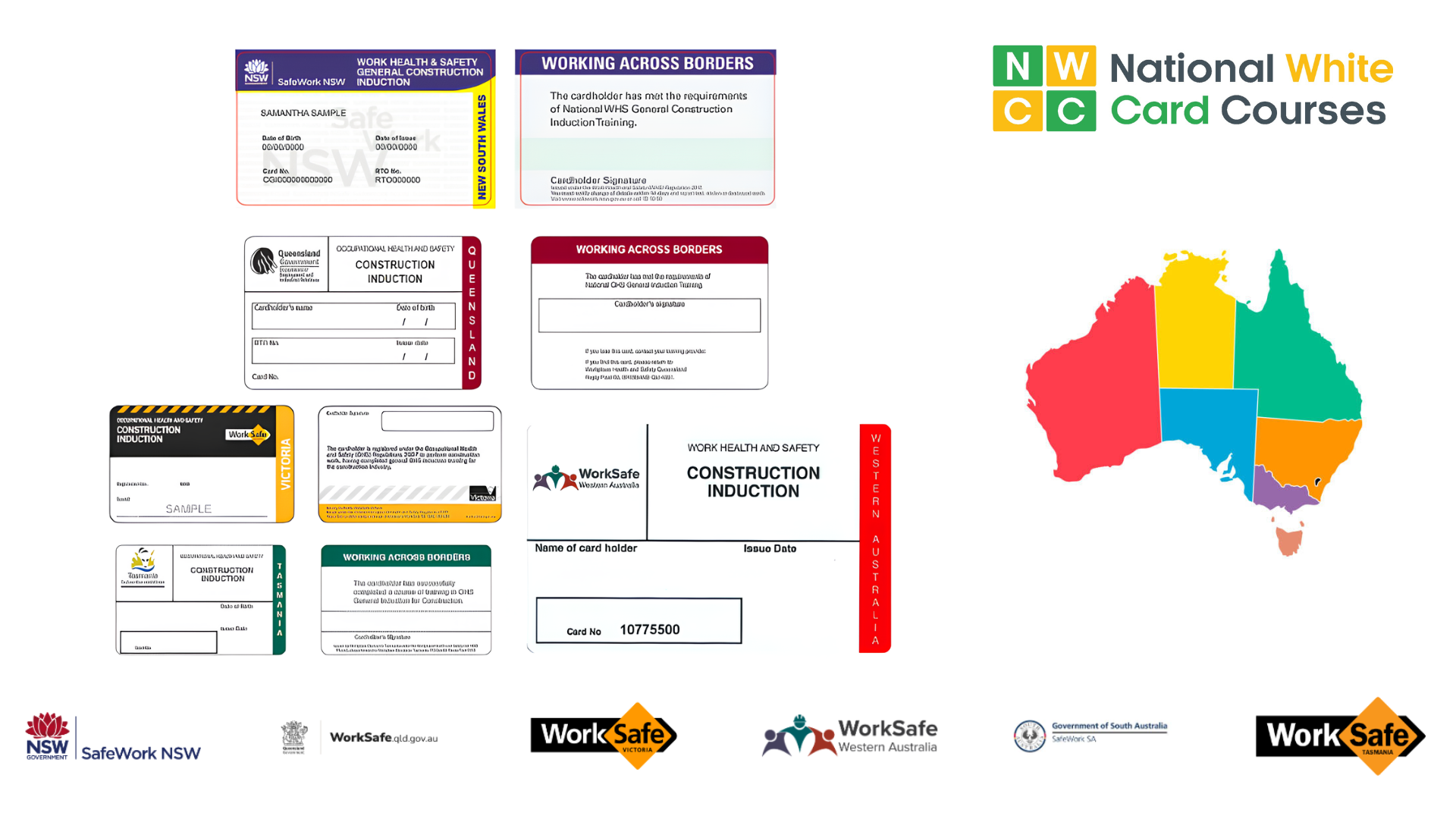
A White Card, officially known as a General Construction Induction Card, demonstrates that you’ve completed nationally recognised general construction safety training.
The relevant unit of competency is CPCCWHS1001 – Prepare to work safely in the construction industry.
A White Card is required when undertaking construction work on a mine site. This can include certain construction, installation, infrastructure and maintenance activities that fall within the legal definition of construction work.
However, not every mining job requires a White Card. For example, a worker involved exclusively in mineral extraction or certain site support activities may not need one unless their duties also involve construction work.
Employers may also have additional site-access and induction requirements.
If you’re applying for mining jobs, check the specific qualifications listed in each advertisement rather than assuming that a White Card alone will qualify you for every position.
National White Card Courses (NWCC) provides White Card training to help workers meet general construction induction requirements.
What is Standard 11 mining induction?
If you’re planning to work at a Queensland coal mine, you may come across the term Standard 11.
Standard 11 is Queensland’s framework for training in coal mine safety and health competencies.
The training covered by Standard-11 courses provides essential safety knowledge relevant to mining environments, including identifying hazards, managing risks and understanding workplace safety responsibilities.
Workers must receive appropriate induction and training for their duties. Employers may require evidence of Standard 11-related competencies as part of their recruitment or onboarding process.
Standard 11 training and White Card training serve different purposes. Completing one does not automatically replace the other.
Requirements vary between mining operations and jurisdictions, so always confirm which training is necessary before enrolling in additional courses.
Book your White Card with National White Card Courses
Ready to get your first mining job? You likely need a White Card before starting. Check the requirements and book your spot at the next available White Card course.
Need a hand choosing? Call 1300 988 181.