Overhead Powerline Safety in NSW: November 2026 Update
Published: November 24, 2026 | Read time: 5 minutes
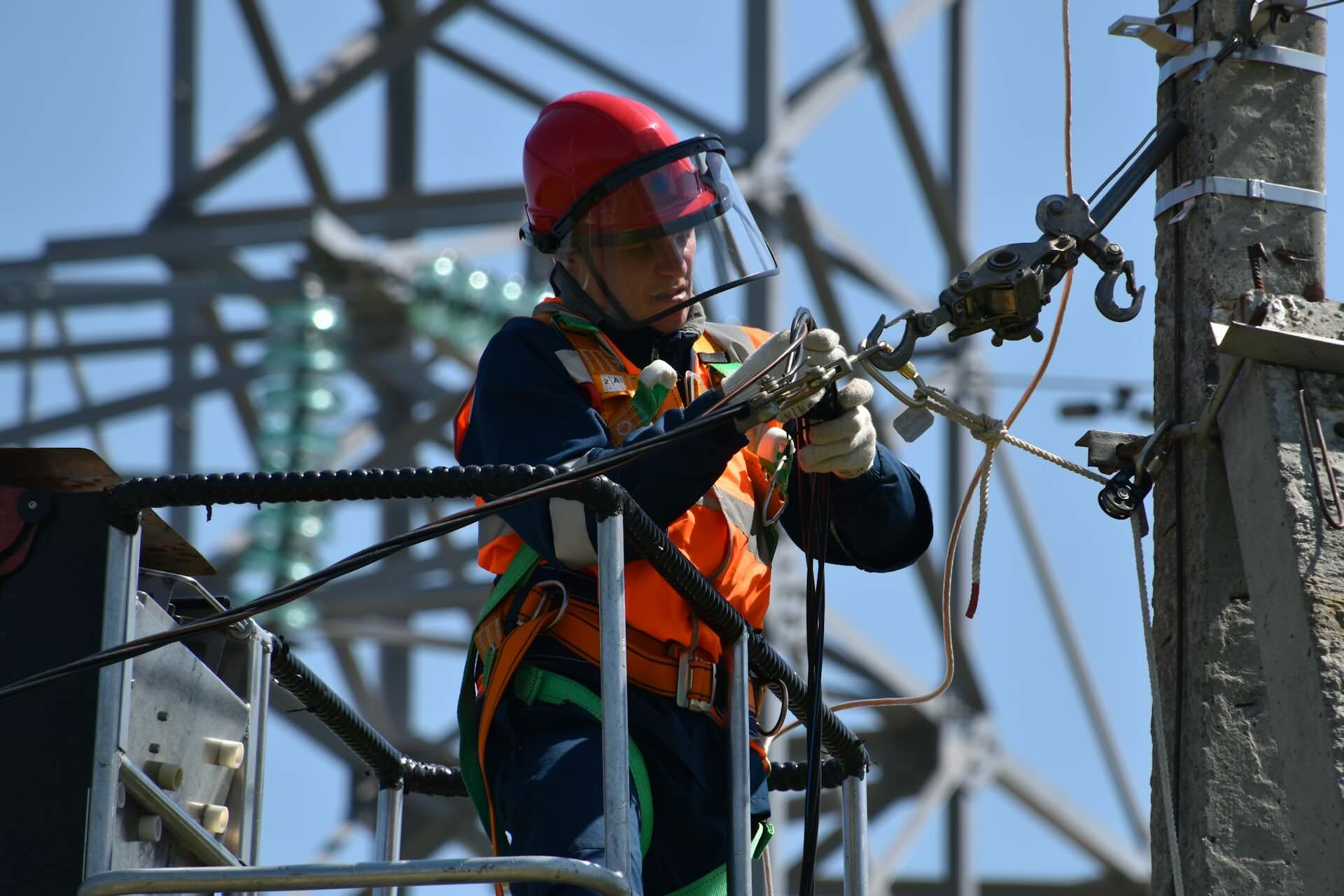
Overhead powerline safety starts before a crane lifts a load or a truck raises its tray. The work plan needs to account for the equipment, materials and people that could move towards the lines.
A SafeWork NSW prosecution update published on 13 November shows how a long construction load can expose someone on the ground to a serious electrical hazard.


In Short
- Identify overhead powerlines before lifting, unloading or moving long materials.
- Confirm the required clearance through the work plan instead of guessing it.
- Allow for movement of both the load and the powerlines.
- Keep clear of equipment touching powerlines and call 000 in an emergency.
What happened at North Wollongong?
SafeWork NSW reported that Civil 1 Pty Ltd was convicted and fined $238,000 after an incident in December 2022. A worker was guiding a 16-metre steel reinforcement cage into a hole when it buckled and fell onto two 11,000-volt overhead lines. He suffered an electric shock.
The company pleaded guilty to failing to comply with its duty to workers. The SafeWork NSW prosecution release notes that the company has a right to appeal its sentence.
The practical lesson extends beyond the machine operator. People guiding or handling a load also need to be included in the electrical risk assessment.
Look at the full movement of the equipment
A crane’s parked position does not show how close its boom, lifting gear or load could come to a line during the job. Long materials can swing, bend or move unexpectedly.
Before starting, ask your supervisor to identify the approved operating area and explain how the load will travel. Include delivery vehicles, raised trays and materials carried by hand in that discussion.
SafeWork NSW’s powerline safety guidance requires businesses to keep people, plant and objects away from unsafe distances, so far as reasonably practicable. Where that cannot be achieved, the risk assessment and electricity supply authority’s requirements must guide the controls.
Do not choose a clearance by eye
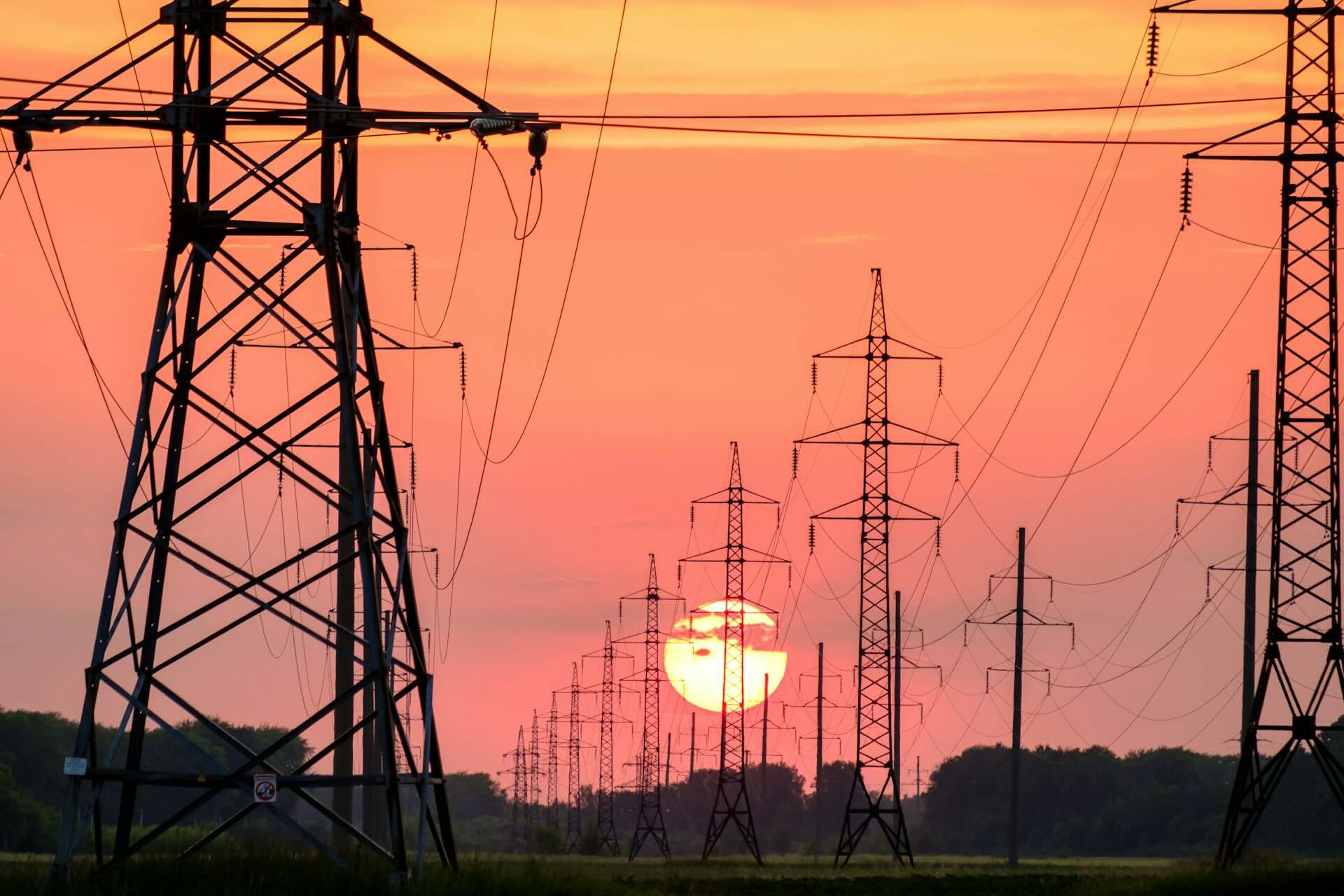
The correct approach distance depends on the voltage, work activity and relevant training arrangements. There is no single distance that makes every construction task safe.
The NSW electric lines code of practice explains that clearances must account for line sag, wind movement and possible movement of loads or lifting gear. The electricity supply authority should be consulted when line height or voltage cannot be established accurately.
Do not use a metal tape measure or another conductive object to check line height. Ask for the information and controls to be confirmed before the work begins.
Understand the work plan and your role
Construction work on or near energised electrical installations or services is high risk construction work and requires a safe work method statement, or SWMS. SafeWork’s construction work guidance explains this requirement.
The briefing should make your next action clear: where to stand, how to communicate, who can stop the lift and what to do if conditions change. A change in the unloading location needs another check, even when the same equipment was used safely earlier.
Keep clear during an electrical emergency
If machinery contacts a powerline, call 000 and keep others away. Do not touch the equipment or attempt an improvised rescue. Ausgrid’s emergency advice warns against touching someone connected to an electrical source before the power is isolated and the situation is made safe.
The NSW code directs bystanders to stay at least eight metres from affected plant and wait until the electricity supply authority declares the area safe. A line that appears to have lost power may become live again.
Build your construction safety knowledge
Our White Card courses in NSW introduce construction hazard awareness and reporting. Working near powerlines still needs the site’s specific controls, instructions and any additional training required for your role.
Enrol in a Construction White Card Course Near You