
In Short
- General construction induction is required before working in construction. A White Card is one entry requirement, alongside the duties and conditions of the particular job.
- You can get an entry-level construction job with no experience, starting in roles like general labourer, trades assistant, or site cleaner
- There is strong demand for construction workers across Australia, creating steady job opportunities and competitive hourly pay
- To get a construction job quickly, apply for multiple roles, follow up with employers, and be ready to start immediately
- Entry-level construction jobs can lead to long-term careers, including apprenticeships, skilled trades, and site management positions.
Book your White Card with National White Card Courses
Ready to get started? Choose your state to find available classroom or online options, check the requirements and book your course with our team.
National Courses Pty Ltd · RTO 41072. WA courses are pending approval.
Need a hand choosing? Call 1300 988 181.
When it comes to employment options, the construction industry is one of the most accessible sectors to enter, offering a range of jobs, steady work, good pay, and real opportunities to build a long-term career.
If you’ve been wondering how to get a construction job, the process is more straightforward than most people expect, but it’s important to understand how it actually works before you start applying.
Unlike many other industries, construction doesn’t require years of study or previous experience. What it does require is the right certification, a practical approach, and a willingness to get started.
And it all begins with one essential step: getting your White Card.
Types of Construction Jobs and Current Demand
Before jumping into the steps, it helps to understand what kinds of roles are actually available, and why construction is such a strong option right now.
Across Australia, there is consistent demand for entry-level construction workers. Large infrastructure projects, residential builds, and civil works all rely on a steady flow of new workers coming into the industry, particularly in cities like Sydney, Brisbane and Adelaide, where large-scale projects keep hiring active year-round.
This means employers are regularly hiring people with little to no experience, especially those who are ready to start immediately.

Common Entry-level Roles you Can Apply For
Most people begin in one of the following positions:
- General labourer – hands-on site work, assisting trades and moving materials
- Trades assistant – working directly with qualified trades like electricians or carpenters
- Site assistant – supporting supervisors with coordination and basic site organisation
- Traffic controller – managing vehicle and pedestrian flow (requires an extra ticket)
- Construction site cleaner – keeping sites safe, organised, and hazard-free
These roles are the foundation of the industry. They give you practical, on-site experience and open the door to higher-paying opportunities over time. So let’s look at the specific steps involved when it comes to gaining employment in construction.
How to Get an Entry-level Construction Job in Australia
The Australian construction sector is booming, and that makes it one of the most accessible industries to start a high-paying career quickly. The demand for workers is high, but landing your first role requires a specific mix of mandatory certifications and a “safety-first” attitude. Here’s how to get your first construction job in Australia.
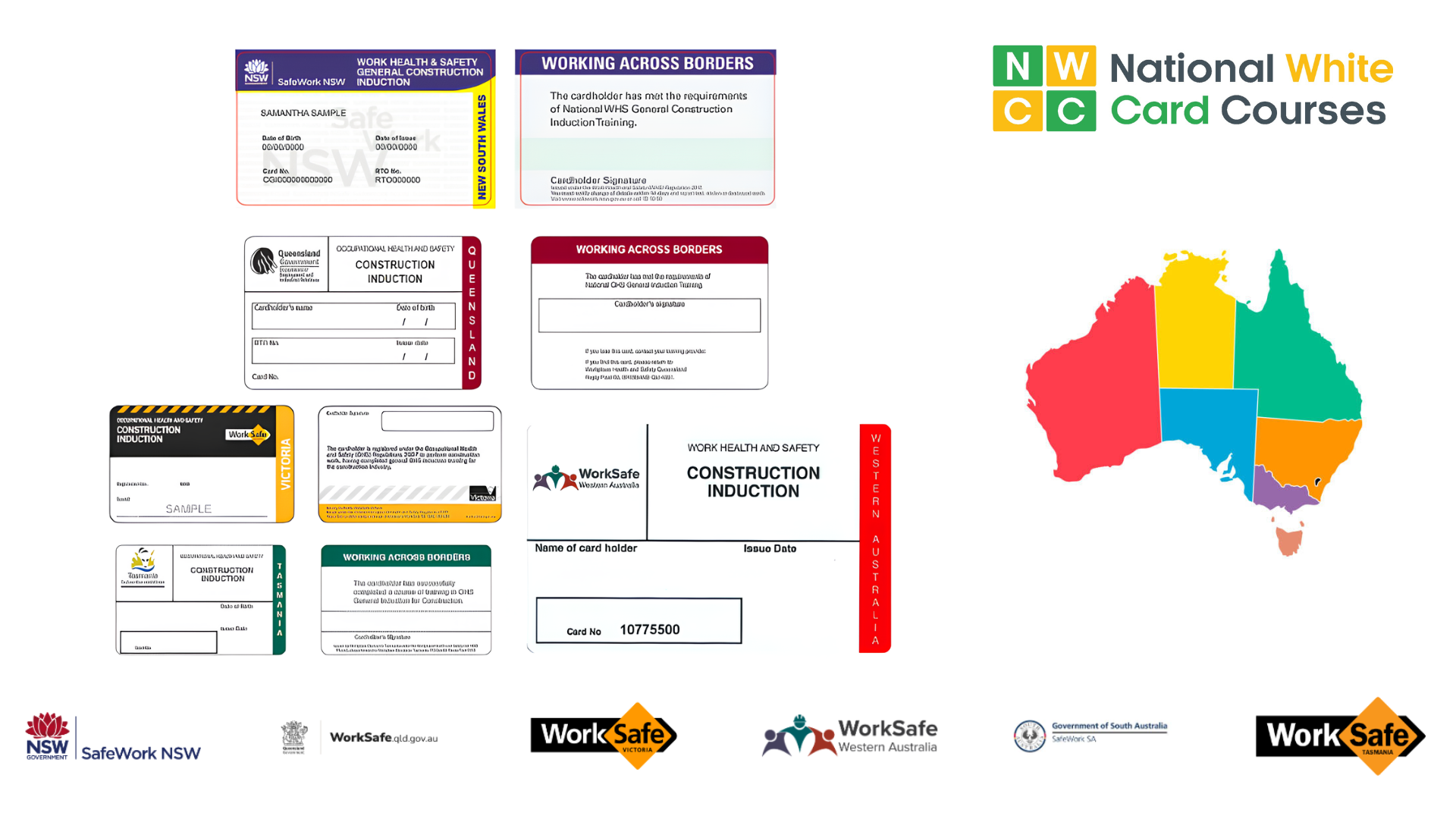
Step 1: Get your White Card first
Complete required general construction induction before carrying out construction work. Other site access depends on duties, supervision and local rules; a permitted visitor is not automatically subject to the same requirement.
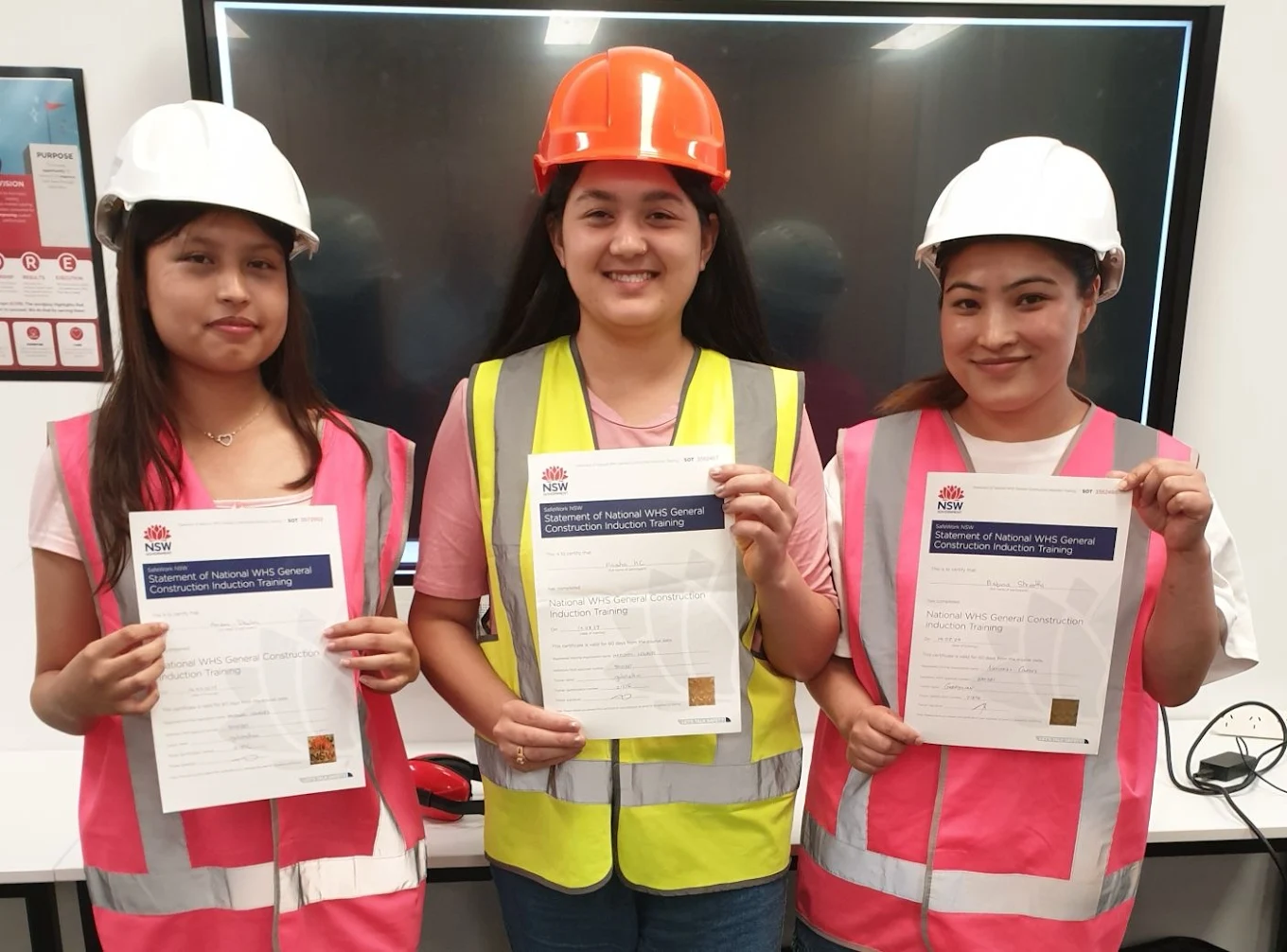
A White Card shows that you’ve completed general construction induction training and understand how to work safely on-site. Employers will ask to see it before you’re allowed to start work.
What the White Card is
Also known as the General Construction Induction Card, the White Card confirms that you understand:
- Basic workplace health and safety laws
- How to identify hazards on-site
- How to reduce risks and follow safe work practices
- What to do in an emergency
It applies to construction workers, including labourers, apprentices and supervisors. Some other roles need training because of routine or unaccompanied operational-zone access.
How to Get Your White Card
Getting certified is straightforward. You’ll need to complete the unit CPCWHS1001 – Prepare to Work Safely in the Construction Industry through a registered training organisation.
The course typically:
- Takes around 6–8 hours
- Costs between $99 and $150
- Provides a nationally recognised qualification
A current, valid White Card is generally recognised interstate. It does not replace work rights, site induction, task competence or occupational licences. A two-year break from construction can require retraining or invalidate the card.
Step 2: Understand the Entry-level construction Jobs
Once you have your White Card, you can start applying for work straight away. You don’t need a trade or previous experience. Most people begin in entry-level roles and build skills on the job.
General Labourer
Pay rate: $30 – $40 per hour (Up to $45+ on large commercial or union sites with penalties)
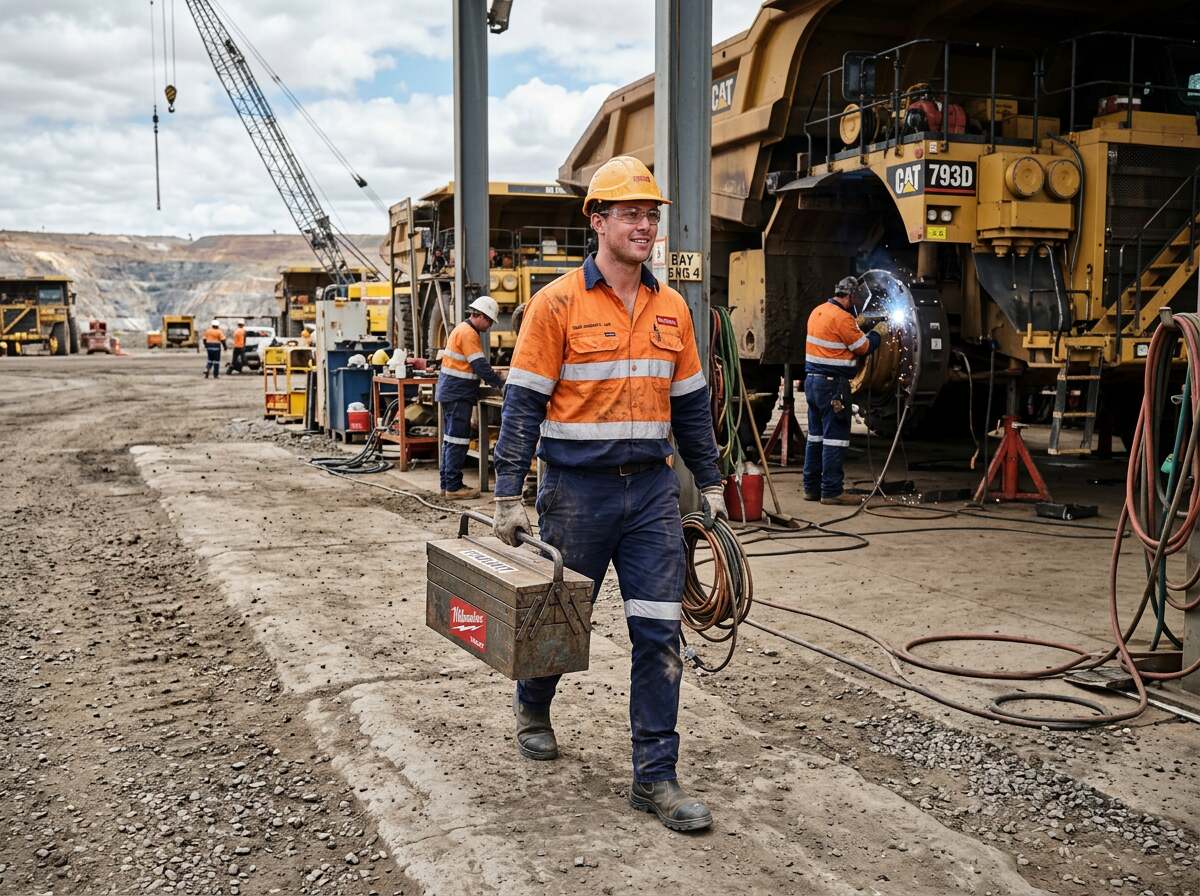
This is the most common way to get into construction. You’ll be involved in day-to-day site work, including moving materials, setting up, cleaning, and assisting trades. It’s hands-on, physical, and gives you exposure to all areas of a job site.

Trades Assistant
Pay rate: $32 – $45 per hour (Higher if working with specialised trades like electrical or plumbing)
A trades assistant works directly with qualified tradespeople such as electricians, plumbers, or carpenters. You’ll help prepare materials, carry tools, and support daily tasks. If you’re considering an apprenticeship later, this is one of the best roles to start in.
Site Assistant
Pay rate: $28 – $38 per hour (Can increase quickly with experience and responsibility)
This role is slightly more organised and support-focused. You might help co-ordinate materials, manage basic logistics, and assist supervisors with keeping the site running smoothly.

Traffic Controller
Pay rate: $35 – $50 per hour (Night shifts, weekends, and infrastructure projects can push this higher).
Traffic controllers manage vehicle and pedestrian movement around construction sites. This role requires an additional short course, but it’s a good option if you prefer something less physically demanding and often pays well.

Construction Site Cleaner
Pay rate: $28 – $35 per hour (Some roles transition into labouring at higher rates)
Site cleaners keep the work area safe and organised by removing debris and managing waste. It’s a simple but important role, and a reliable way to get your foot in the door.

Step 3: Know How to Actually Find Construction Jobs
Understanding how to get a construction job isn’t just about qualifications. It’s about how you approach the job search. Construction hiring is fast-paced and often informal. Many roles are filled quickly, sometimes without ever being advertised widely.
Where to look
Start with the obvious platforms:
- Seek
- Indeed
But don’t stop there. Labour hire companies play a major role in construction recruitment. Registering with multiple agencies can significantly increase your chances of getting placed quickly.
You can also contact local builders, subcontractors, and construction companies directly.
What Works Best
Applying online is only part of the process. To improve your chances:
- Apply for multiple roles, not just one or two
- Follow up with a phone call where possible
- Be available to start immediately
- Stay consistent. Daily applications make a difference
The construction sector rewards effort. The more proactive you are, the faster you’ll find work.

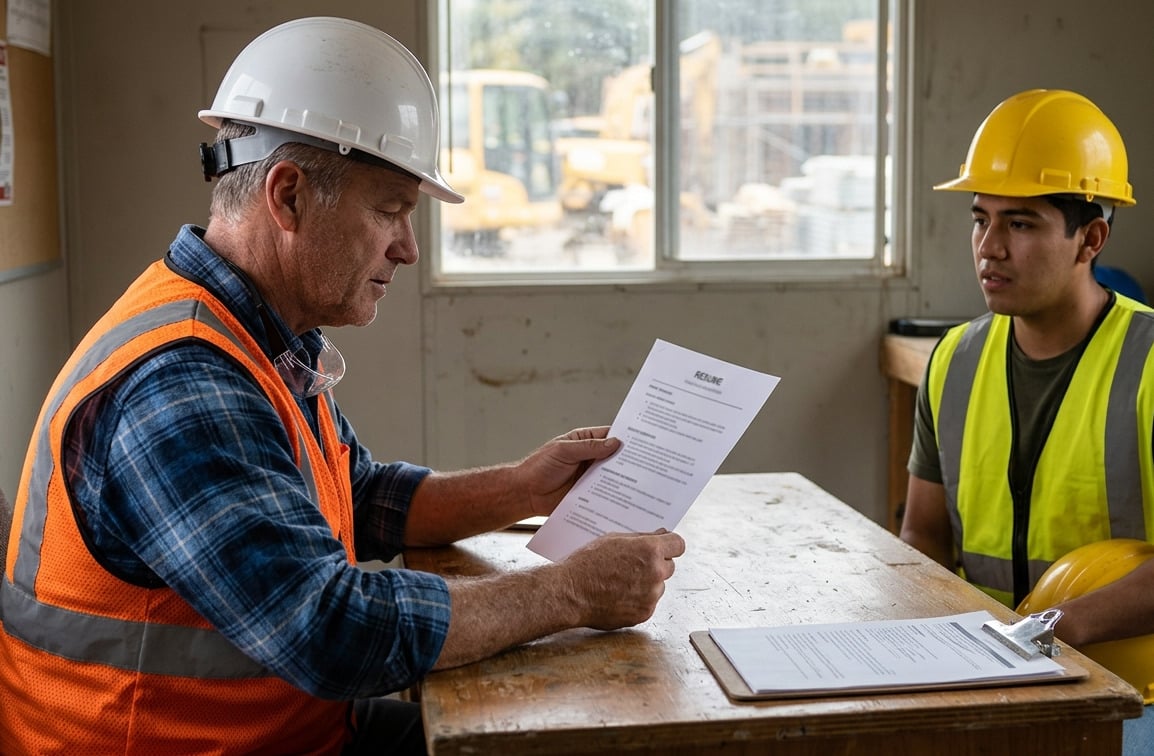
Step 4: Put Together a Simple, Effective Resume
You don’t need a long or complex resume to get started in construction. In fact, simple is better. Employers want to quickly see that you’re ready to work, reliable, and understand basic safety requirements.
What to Include
- Your White Card (clearly listed)
- Any additional tickets or licences
- Previous work experience (any industry)
- Transferable skills like teamwork or physical work
- Contact details and availability
What Matters Most
Even without construction experience, you can stand out by showing:
- Reliability and punctuality
- Willingness to learn
- Ability to follow instructions
- Strong work ethic
A clear, straightforward resume is often more effective than an overly detailed one.
Step 5: Be Ready to Start Work Quickly
One of the key differences in construction is how quickly hiring can happen. It’s common to be offered work and asked to start within a day or two. If you’re prepared, you’ll have a major advantage.
Have These Ready
- Your White Card
- Confirm required PPE and its supply with the employer or labour hire business; required PPE must be provided through the responsible business arrangements.
- Identification and tax details
- Transport to get to job sites
Being ready to go immediately can be the difference between getting the job or missing out.

Step 6: Understand What Employers are Looking For
When hiring entry-level workers, employers aren’t expecting experience. They’re looking for the right attitude. This includes:
- Showing up on time
- Listening and following instructions
- Working safely at all times
- Being reliable and consistent
If you demonstrate these qualities, you’ll not only get hired, you’ll get more opportunities.

Step 7: Build Experience and Move Forward
Your first construction job is just the beginning. Once you’re on-site, you’ll start learning quickly.
Over time, this can lead to:
- Apprenticeships in trades like carpentry, plumbing, or electrical
- Higher-paying roles with more responsibility
- Positions in site supervision or project management
Many people who start with no experience go on to build long-term, well-paid careers in construction.
Why the White Card Gives You an Advantage
When employers see a White Card on your resume, it tells them something important. It shows that:
- You understand site safety
- You’re ready to work in a construction environment
- You’ve taken the first step independently
In a competitive job market, that matters. It’s often the difference between being considered and being overlooked.
Frequently Asked Questions
Do I really need a White Card before applying?
It is required before carrying out construction work, rather than universally before applying for a job. Employers may make it an application requirement. Choose approved training with knowledge and practical assessment. A card is not unconditionally valid for life: a two-year break from construction can trigger retraining or invalidate it.
Can I get a construction job with no experience?
Absolutely. Construction is one of the few industries that genuinely doesn’t care if you’ve never swung a hammer before. Labouring roles, traffic control, and site clean-up are all entry points that require zero prior experience.
What employers are actually looking for is someone who shows up on time, follows instructions, and doesn’t cause problems on site. A good attitude will get you further than a patchy resume.
How long does it take to get a construction job in Australia?
It depends on how hard you push. If you’re registered with labour hire agencies, applying daily, and staying on top of your phone, you could be working within a few days. If you’re applying once a week and waiting around, it could stretch to a month or more.
The construction industry runs on demand. so when projects are active, they need someone quickly. Being flexible about location and shift times will also speed things up considerably.
Do I need tools to start?
Ask the employer about tools and any applicable award requirements before buying equipment. Required PPE must be supplied through the responsible business arrangements. Confirm what is provided, its fit and suitability, and any compliant allowance.
Is construction a good long-term career?
It can be a seriously solid career path if you put the work in. The industry is always building something, be it housing, infrastructure, or commercial projects. For this reason, demand for skilled workers doesn’t dry up easily.
Starting as a labourer and completing an apprenticeship in a trade like electrical, plumbing, or carpentry can take your earning potential to a completely different level.
There’s also a clear path into site supervision, project management, or even running your own business down the track. It’s physical work, but the long-term upside is real.
Enrol in a Construction White Card Course Near You