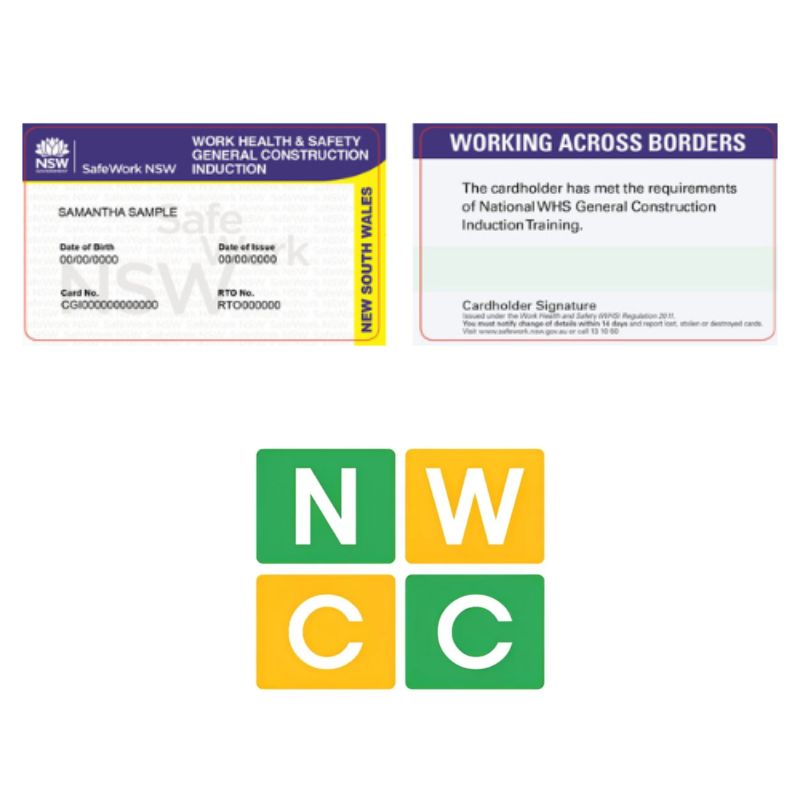


In Short
- Our classroom courses start from $89 in SA and $99 in NSW, Queensland and Victoria. Check the fee for your selected date and venue.
- Training, card application and replacement fees are different. Confirm what is included before comparing providers.
- Practical assessment is mandatory at every price. Approved delivery options and learner-location requirements vary by jurisdiction.
Book your White Card with National White Card Courses
Ready to get started? Choose your state to find available classroom or online options, check the requirements and book your course with our team.
National Courses Pty Ltd · RTO 41072. WA courses are pending approval.
Need a hand choosing? Call 1300 988 181.
If you’re planning to work in construction, the cost of a White Card depends on the course you choose and any separate card application fee. You can apply for jobs before training, but must meet the required induction and evidence rules before starting covered work.
Our classroom courses start from $89 in South Australia and $99 in NSW, Queensland and Victoria. Check the price for your selected date, the course inclusions and any separate government charges before booking.
Understanding what affects the price, and what you actually get for your money, can help you choose the right course with confidence.
How Much Do Our White Card Courses Cost?
Our classroom courses start from $89 in South Australia and $99 in NSW, Queensland and Victoria. The final price depends on your selected date and location. These are our course prices checked on 2 October 2026, not national market averages.
Compare the full cost and inclusions before booking. Practical assessment is mandatory at every price point. If you want to use our price-match guarantee, check the current eligibility and claim conditions first.
When budgeting, separate these three costs:
- Training fee: The price charged by the approved provider for learning and assessment.
- Initial card fee: This may be included in the training price or paid separately to the issuing authority.
- Replacement and other costs: Lost-card fees, travel, required equipment and any applicable reassessment or booking-change charges.
White Card Cost by State in Australia
The current unit is CPCWHS1001. Providers set training prices, while governments may set separate card fees. A low price does not establish whether the course is approved.
Use the state details below to check our current options and any separate application costs. Government fees can change each financial year.
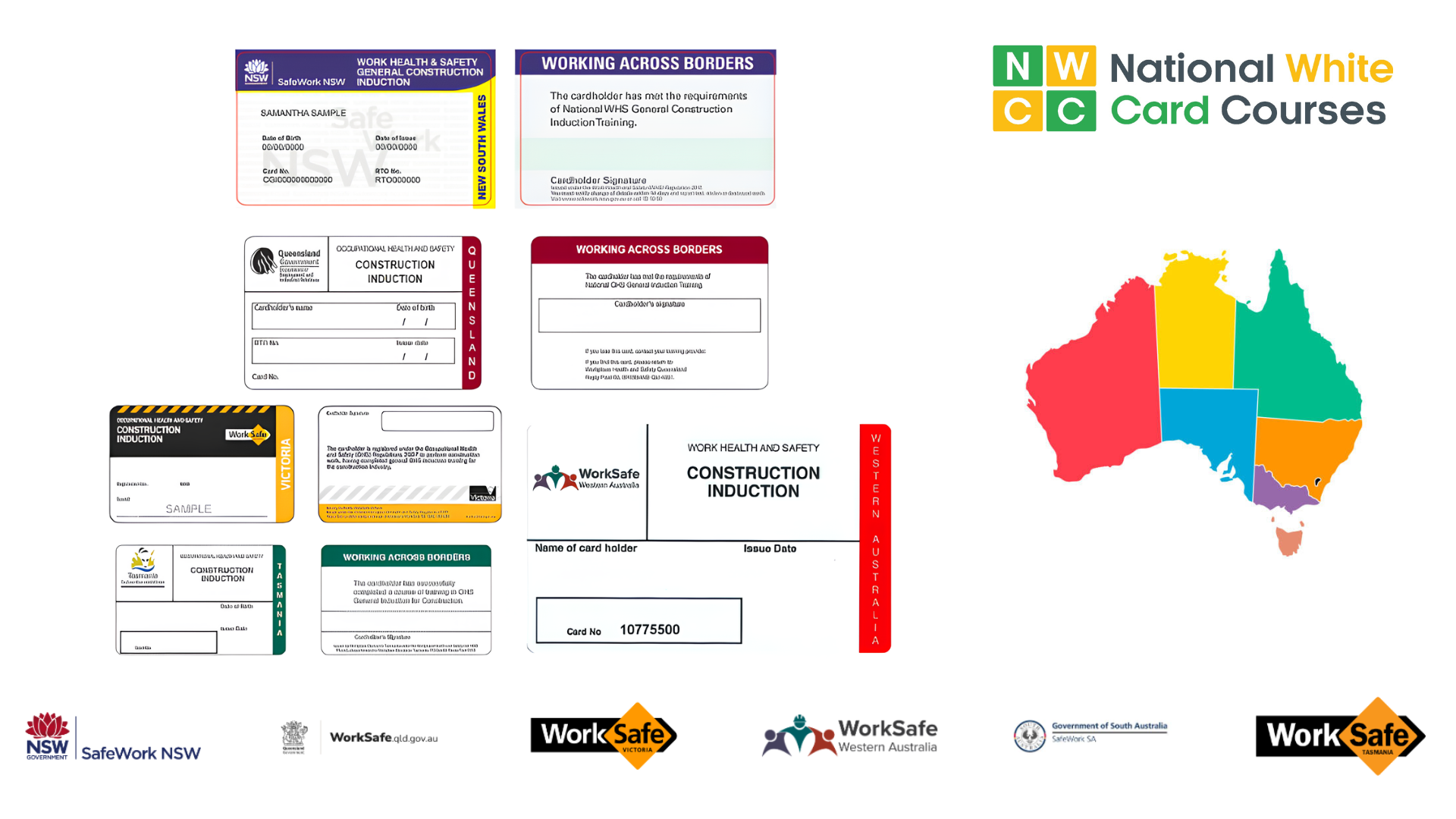
Queensland (QLD)
Our Queensland classroom courses start from $99. Check your chosen date and any live online option for its current fee and requirements.
- Approved RTOs issue Queensland cards after successful completion.
- Live online delivery requires specific RTO approval and real-time participation. It is not a self-paced quiz.
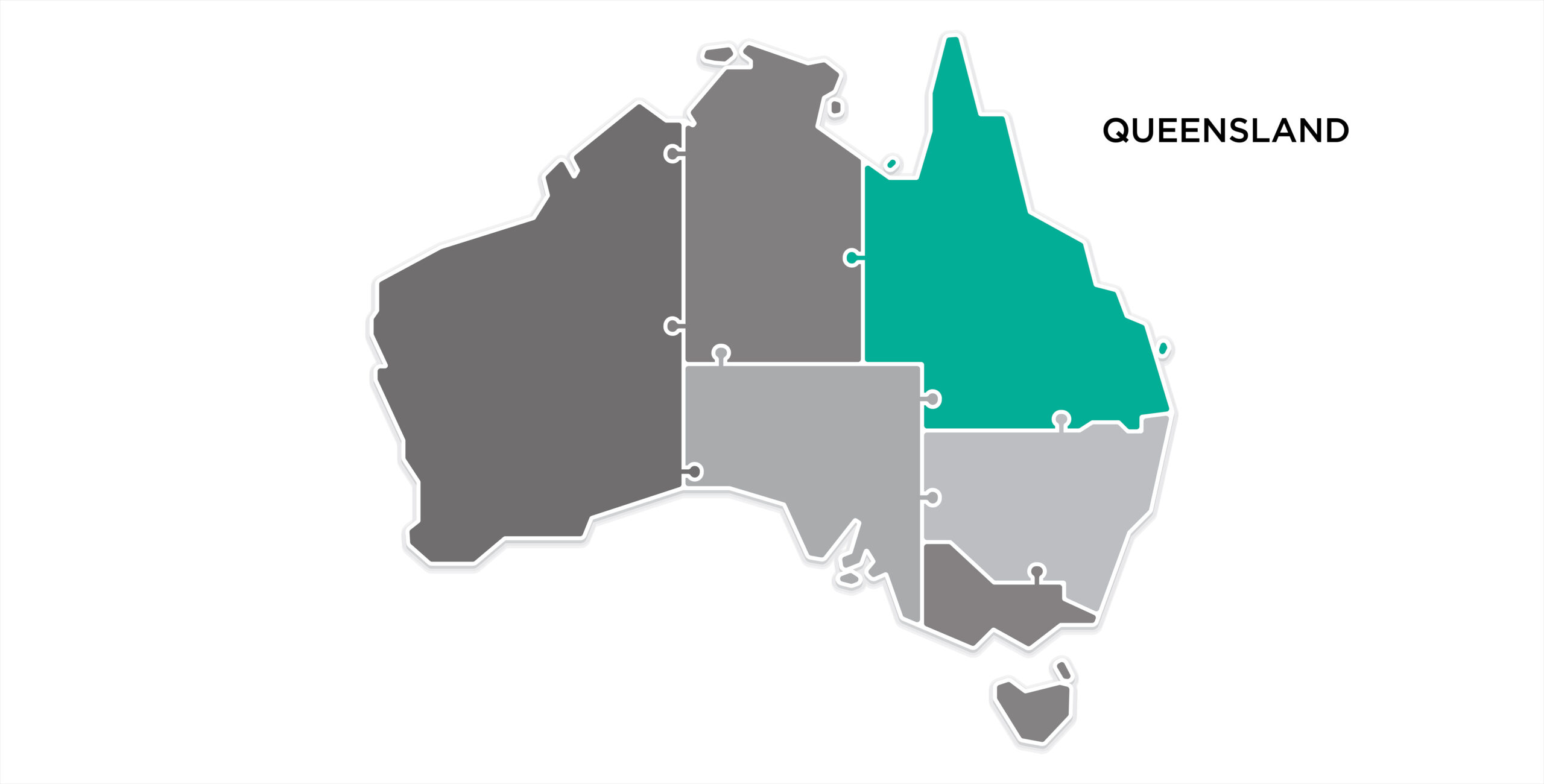
New South Wales (NSW)
Our NSW classroom courses start from $99, including the card fee and classroom PPE use. Some dates and venues cost more. Check the separate live virtual course details if that is your preferred format.
SafeWork NSW issues the physical card after we submit the application. Same-day training evidence does not mean same-day physical card delivery.

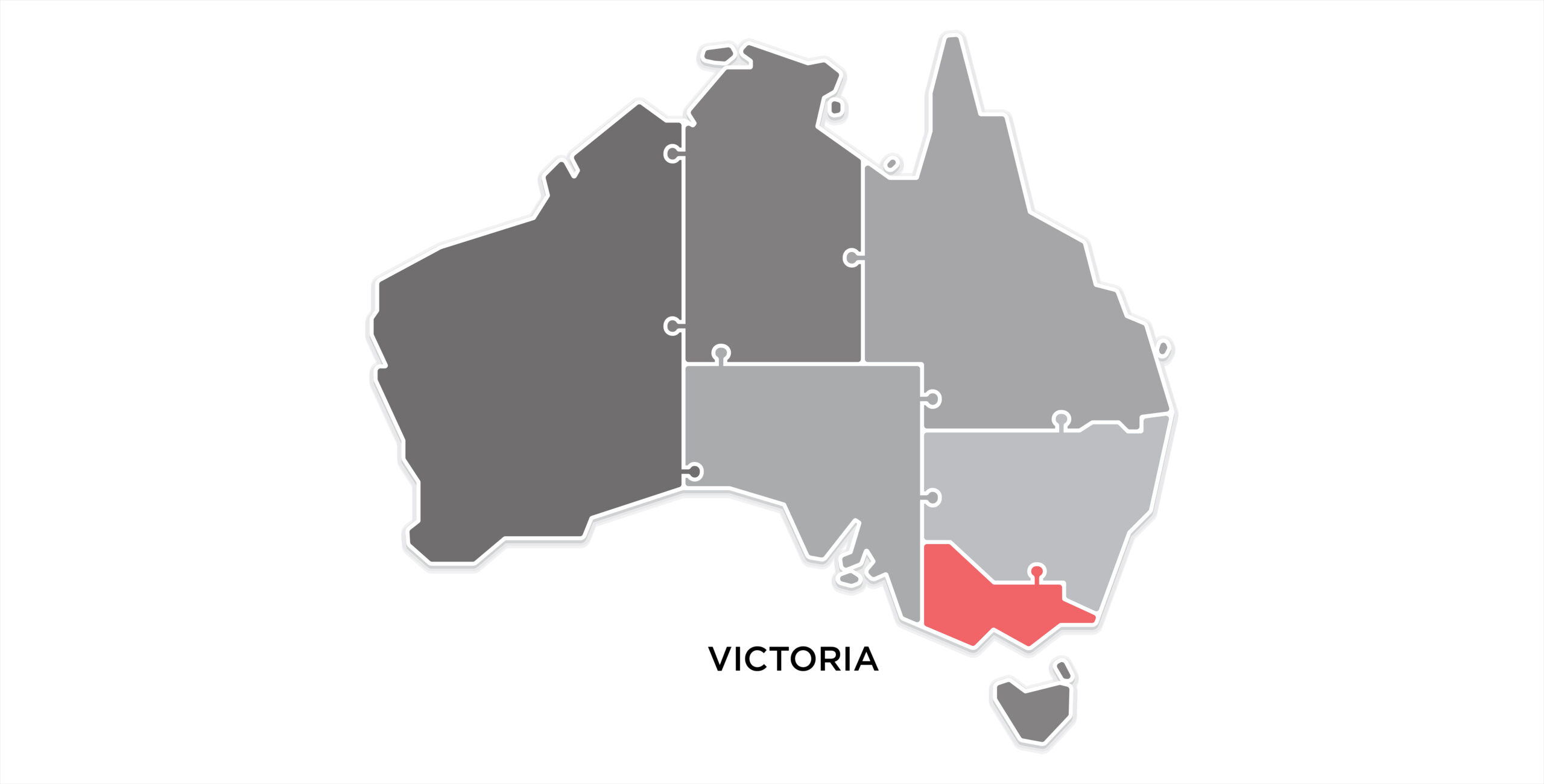
Victoria (VIC)
Our Victorian classroom courses start from $99. WorkSafe requires at least 6 hours in a physical classroom; online training is not permitted for a Victorian card.
The government’s 2026–27 new-card fee is $31.10. Check whether this is included in a provider’s total before comparing prices, and do not add it twice if your booking already includes it.
Western Australia (WA)
Our WA course is coming soon, subject to approval. Contact us for confirmed availability and pricing before making plans.
For any WA course, confirm the RTO’s approval, learner-location requirements and complete assessment arrangements. An online price alone does not establish eligibility.
South Australia (SA)
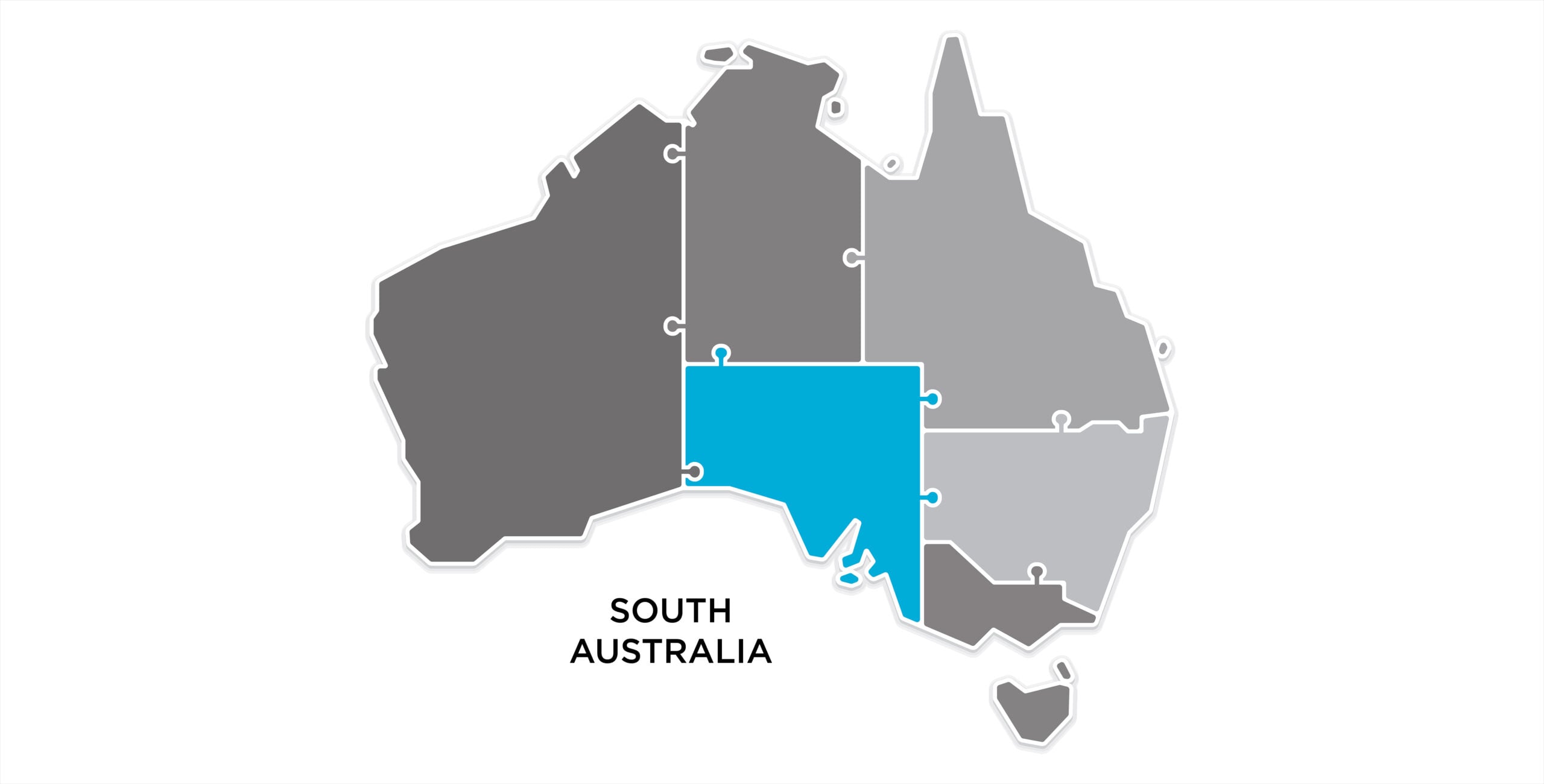
Our South Australian classroom courses start from $89 in Adelaide, including the card fee and classroom PPE use. Confirm the price for your selected date.
The training RTO issues the SA card. SafeWork SA does not issue or replace White Cards.
Tasmania (TAS)
Our Tasmania booking calendar is coming soon. Contact us to confirm availability, delivery arrangements and the total training price.
Northern Territory (NT)
Ask an NT-approved RTO for its current training fee. A new or replacement NT card costs $31 through the government application service; this is separate from the provider’s training charge unless expressly included.
NT WorkSafe permits connected real-time delivery from 1 July 2026 through specifically approved RTOs. Check approval and requirements before paying for an online option.
Australian Capital Territory (ACT)
Get a current training quote from a suitable RTO, then allow for the separate Access Canberra card application. Check the current financial year’s fee through Access Canberra before paying.
You must apply for the card after training using your own ACT Digital Account. Do not assume a training fee alone completes the card application.
What Affects the Cost of a White Card?
If you’re comparing providers, you’ll quickly notice price differences. That’s because several factors influence how much a White Card costs.
Course location, timetable, delivery method and inclusions can affect price. Online training is not necessarily cheaper, and every approved course must meet the relevant assessment requirements.
Each Registered Training Organisation sets its own training fee. Ask whether the quote includes card issuance, PPE use, learning materials, postage and any reassessment charges. Check cancellation and transfer terms before paying.
Keep course fees, government application fees and replacement fees separate when comparing offers. Where a card fee is already included, it should not be counted twice.
Should you Choose the Cheapest White Card Course?
It can be tempting to go for the lowest price, but this isn’t always the best move. Courses advertised at extremely low prices may not be delivered by a legitimate RTO, may lack proper assessment or support, and could risk your certification not being accepted on-site.
Choose an approved provider with clear pricing, valid assessment arrangements and appropriate learner support. Our courses include trainer guidance and the required practical assessment. We explain your training evidence and card process after you pass.
Is a White Card Worth the Cost?
A White Card is an essential step when your work requires general construction induction. It provides:
- Evidence of completed general construction induction for work that requires it
- Interstate recognition of a current, valid card, with separate site and task requirements
- No routine annual renewal in many jurisdictions, but currency and retraining rules can apply after time away from construction
For example, NSW cards become void after two consecutive years or more without construction work. Do not budget on an unconditional lifetime card. Training can support your job applications, but employment is not guaranteed.
How Much Does a Replacement White Card Cost?
Replacement fees are different from taking a new course. As checked on 2 October 2026, NSW charges $36 online or $43 through other replacement channels, Victoria charges $0 for a replacement plastic card, Tasmania charges $13.72 and the NT charges $31. For Queensland, SA and WA, ask the relevant RTO about its replacement process and fee. For ACT, check Access Canberra’s current fee before applying.
Enrol in a Construction White Card Course Near You
When it comes to your safety and workplace credentials, don’t settle for less. National White Card Courses is an accredited Registered Training Organisation (RTO 41072) providing nationally recognised White Card courses in Australia.
Our courses follow the approval and assessment requirements of the issuing jurisdiction. Contact us before booking to confirm the delivery option, identity checks and learner-location requirements.
Our courses include trainer guidance and required knowledge and practical assessment. Approved live online options also require real-time participation and assessor observation.
We help you understand the course requirements before booking. Check registration, approval and assessment arrangements when comparing providers, and use our White Card scams guide if you need help.
After you pass, we issue your training evidence and explain the relevant card process. Current, valid White Cards are generally recognised interstate, while work rights, currency, site induction and task requirements remain separate.