What is the White Card?
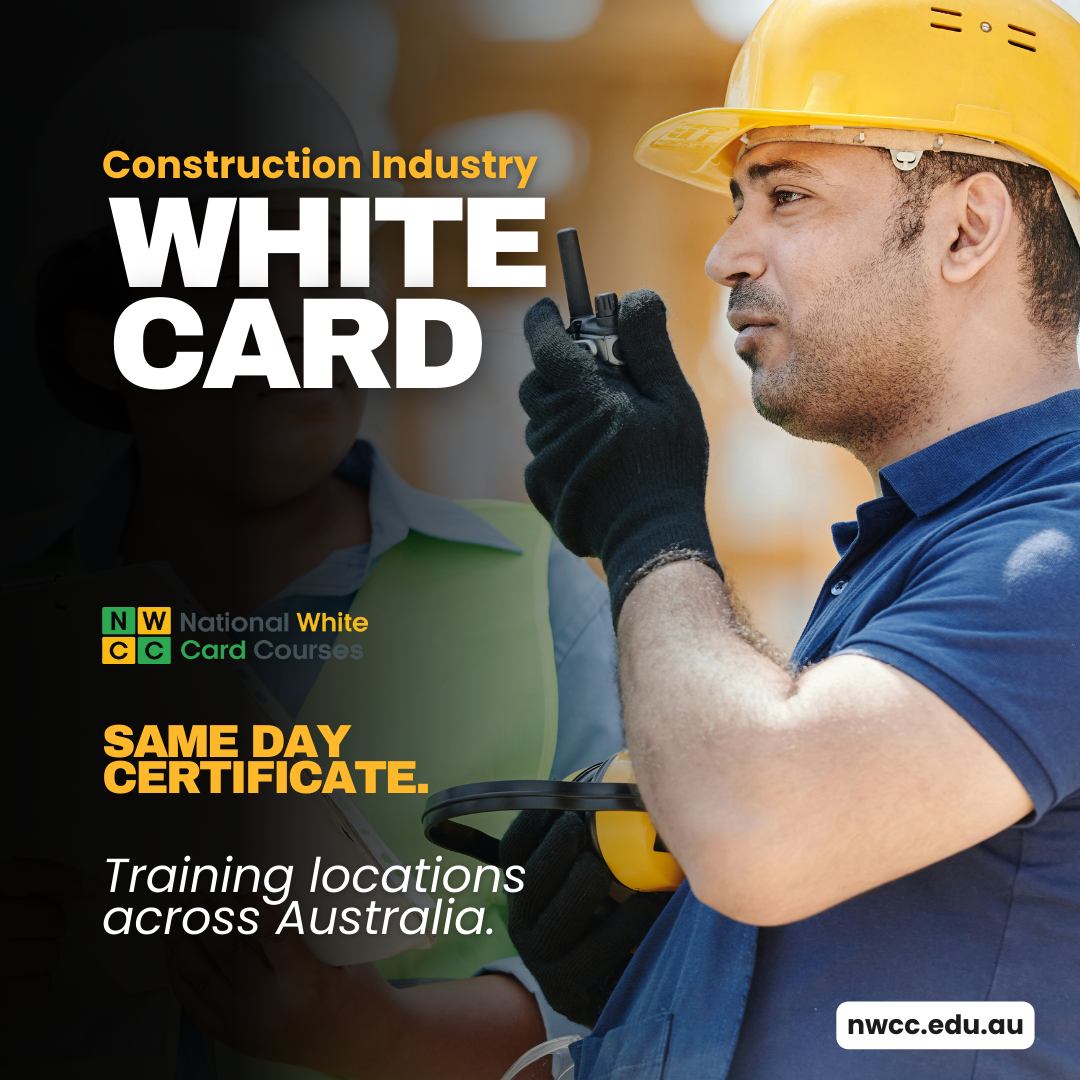
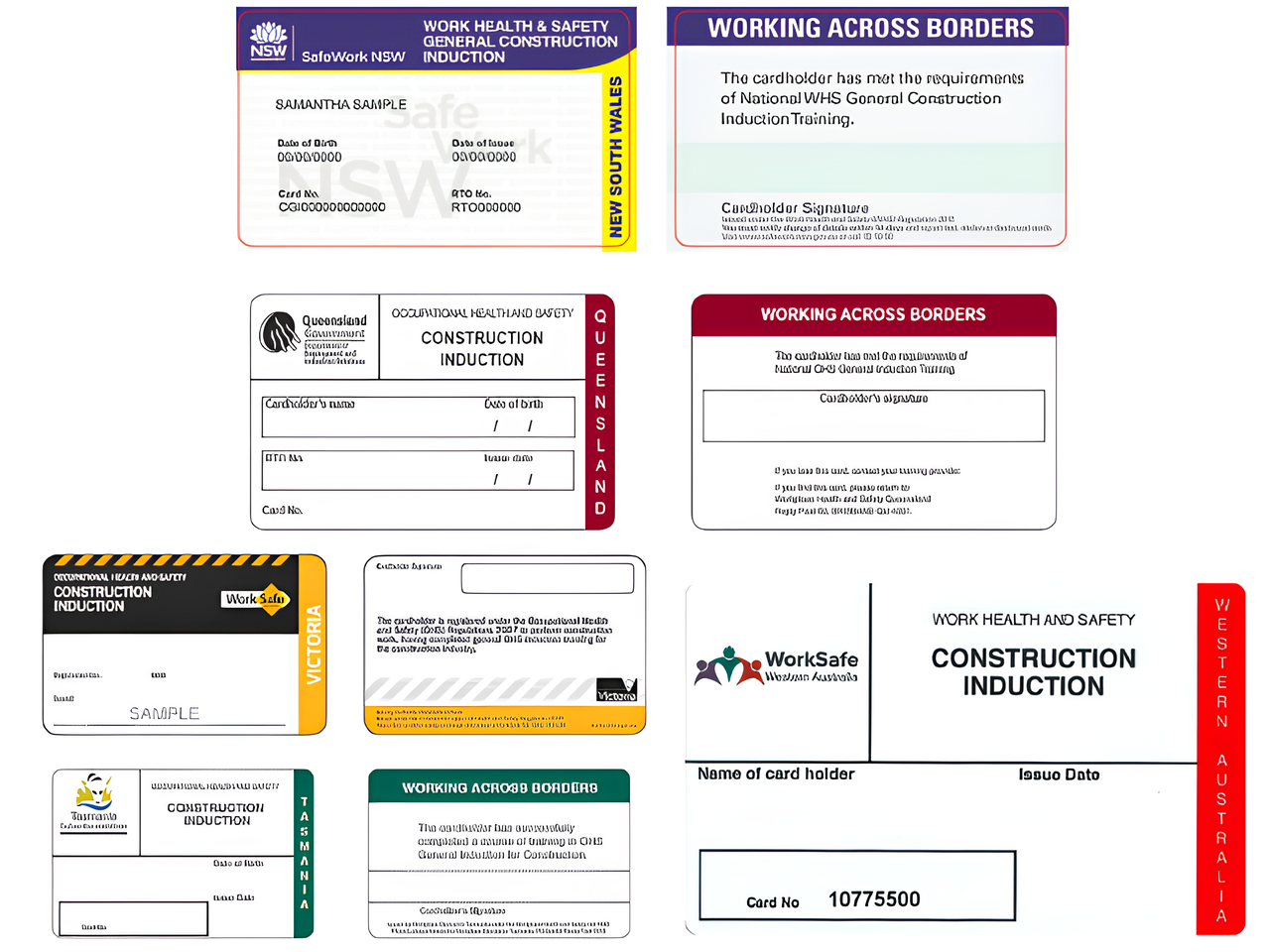
The White Card is a mandatory certification required for anyone working in construction and other high-risk industries across Australia.
This includes fields like demolition, mining, civil engineering, and manufacturing.
The White Card certification ensures that workers are trained in site safety and have the skills to work safely and legally in high-risk environments.
Why it’s the First Step
Think of the White Card as your entry ticket into not only the construction industry but also a range of high-risk sectors.
Without it, you can’t legally work on most construction sites or in any of the other high-risk industries where safety standards are paramount.
It’s the first step in your career journey, allowing you to pursue additional training and gain access to more specialized roles that lead to greater career opportunities.
How Additional Training Advances Your Career
The construction industry, as well as other high-risk sectors, offers a wide range of career paths that require further certification and training.
By continuing your skills development and gaining additional qualifications, you become eligible for positions with higher responsibilities and increased pay.
Specialising in areas like mobile plant operations or first aid not only enhances your skill set but also positions you as a valuable asset to employers, making you stand out in the competitive job market.
Investing in these skills can help you transition from general labour to supervisory or technical roles, ultimately giving you more control over your career trajectory and job security.
Certifications to Complement Your White Card
Once you’ve earned your White Card, you’re ready to explore other essential certifications that can enhance your skills and open doors to higher-paying roles in construction and high-risk industries.
These certifications not only increase your safety and employability but also help you specialise in critical areas that are in high demand.
First Aid & CPR
CPR, emergency response, and workplace First Aid skills are critical for any construction worker. Knowing how to respond to medical emergencies ensures safety on site. Many employers prioritise workers who are First Aid and CPR certified because it demonstrates responsibility and commitment to safety.
Mobile Plant Operations
Mobile Plant certifications teach you the safe operation of heavy machinery such as excavators, loaders, and other construction equipment. These skills are in high demand for roles on construction and civil engineering projects. Completing this training opens the door to better pay and more job opportunities, especially in large-scale projects.
Hospitality & RSA
In certain industries, like construction sites with worker accommodation or food services, Hospitality certifications, including Food Safety and RSA (Responsible Service of Alcohol), are valuable. These certifications can set you apart in construction environments where you may interact with clients or staff and are crucial for roles in on-site amenities or larger projects.
Scaffolding
If you’re involved in construction where scaffolding is required, understanding the safe assembly, use, and dismantling of scaffolding structures is essential. Scaffolding certification ensures that you can work safely at height, making you a vital part of the construction team.
Traffic Control
Traffic Control certification is essential for directing traffic safely on work sites, particularly on busy roads or construction zones. This qualification is a must-have for workers who are responsible for maintaining safety in high-traffic environments and are involved in roadworks or site management.
Elevated Work Platforms (EWP)
Operating Elevated Work Platforms (EWP) like scissor lifts or boom lifts requires specific training. This certification allows you to work safely at heights, reducing risks of falls and injuries. It’s a crucial qualification for those who work in construction, maintenance, and other sectors that require access to elevated areas.
Forklift Operation
A Forklift certification is valuable in logistics, warehousing, and construction environments. It covers safe practices for operating forklifts, helping you handle materials and equipment safely on-site and reducing the risk of accidents.
Confined Space Entry
Working in confined spaces such as tunnels, pits, or tanks requires specific safety training. Confined Space certification prepares you to enter and work in these environments safely, a critical skill for construction and mining workers.
Working at Heights
Construction often requires work at significant heights. Working at Heights certification teaches you how to stay safe while performing tasks on scaffolding, roofs, and other elevated platforms. This qualification is essential for construction workers, roofers, and other professionals working in high places.
Rigging & Crane Operation
Rigging and Crane Operation certifications are essential for safely lifting and moving heavy loads on construction sites. With these qualifications, you can operate cranes, hoists, and other lifting equipment, making you a key player in large-scale projects that involve heavy materials.
By pursuing additional certifications like these, you’ll not only complement your White Card but also set yourself up for greater career growth and higher-paying roles across a variety of industries.
These qualifications give you the specialised skills needed to excel in construction, mining, logistics, and many other high-risk industries, making you a more competitive and valuable asset in the workforce.
Gaining Practical Experience: Stepping Beyond White Card Certification
While certifications like your White Card and additional qualifications set a solid foundation, gaining practical experience is essential for long-term success in construction and other high-risk industries.
Certifications alone won’t make you an expert – it’s the real-world experience that helps you refine your skills and increase your value in the workplace.
Getting Started on the Job
After completing your White Card and additional certifications, the next step is to start applying your knowledge on actual work sites.
Many industries value hands-on experience as much as formal training, and it’s often the quickest way to move up in your career.
Working alongside seasoned professionals gives you the chance to develop practical skills that you won’t learn in a classroom setting, while also allowing you to build your professional network.
Entry-Level Roles
For those just starting out, consider taking on entry-level roles such as labourer, site assistant, or apprentice.
These positions give you a chance to get familiar with the day-to-day operations of a construction site or other high-risk environments.
Even if the work seems basic, it’s an opportunity to observe and learn from more experienced workers, while getting accustomed to the site safety procedures and the pace of the work.
Advancing Your Skills
As you gain experience, you can start taking on more specialised roles that align with the certifications you’ve earned.
For example, you may move into supervisory positions like foreman, or take on responsibilities that require advanced skills in areas such as scaffolding, mobile plant operation, or traffic management.
The more experience you accumulate, the better your understanding of safety protocols, problem-solving, and leadership skills.
Building a Strong Network
One of the most valuable aspects of working on real projects is the ability to connect with others in your field.
Building a strong network of colleagues, managers, and industry professionals can help you find better job opportunities, receive mentorship, and even open doors to future certifications and qualifications.
It’s also an excellent way to stay up-to-date with the latest trends, technologies, and best practices in construction and high-risk industries.
Leveraging Your Experience for Career Growth
As your experience grows, don’t hesitate to seek out career development opportunities.
These could include advanced certification courses, leadership training, or even specialisations in areas like crane operation or rigging.
This continuous growth ensures that you remain competitive in the industry, capable of taking on more responsibility, and well-equipped for higher-paying roles.