You’ve wrapped up school, and now it’s time for the next step.
Maybe university or advanced studies isn’t for you.
Maybe you want to start working and earning good money straight away.
Or maybe you’re still just trying to figure things out, but you know one thing — you need a job.
If you’re looking for real work, good pay, and solid long-term career opportunities, getting your White Card is one of the smartest moves you can make.
It’s quick, affordable, and essential for anyone wanting to work in construction — an industry that pays extremely well and is always hiring.
In just one day, you could be ready to step onto a job site and start making decent money.
Whether you’re interested in learning a trade, saving up while you figure out your next move, or just need work that doesn’t require years of study, this is your way in.
This guide will break down why getting a White Card could be the best decision you make right now.
What’s a White Card and Why Do You Need It?
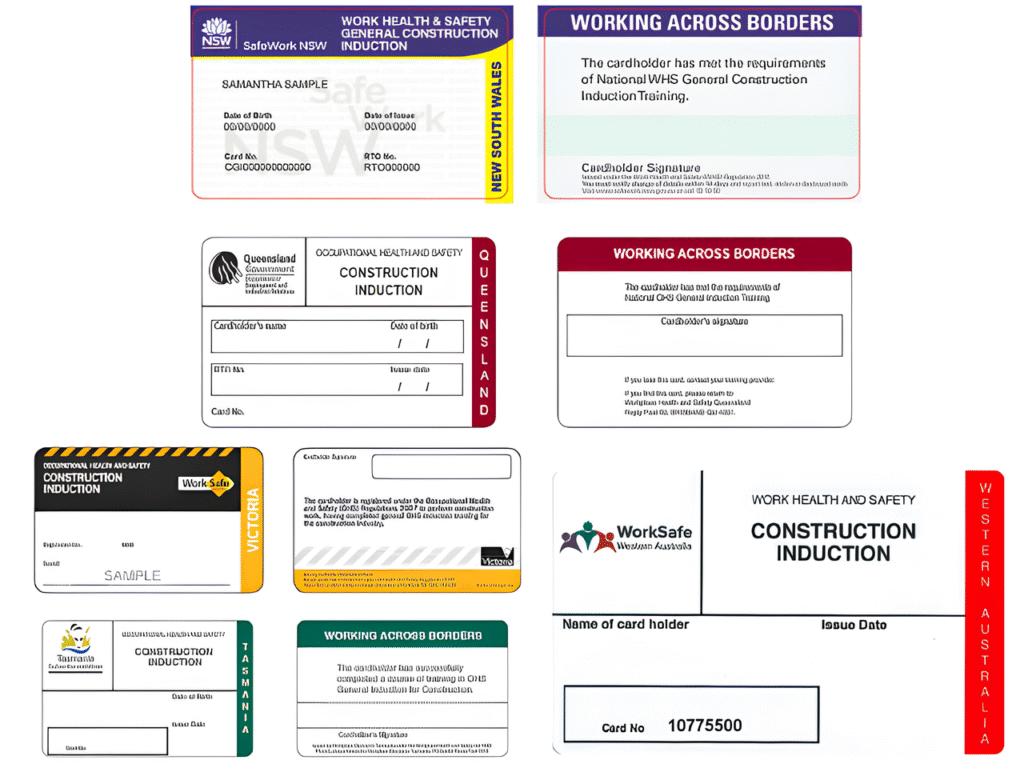
Before you can step onto a construction site in Australia, you must have a White Card.
It’s the official safety certification proving you understand the basics of workplace health and safety.
No White Card = no legal entry to a site.
Here’s why it’s non-negotiable:
-
Legal requirement – Every worker on a construction site, from labourers to tradies, needs a White Card under national Work Health and Safety (WHS) laws.
-
Safety first – Construction can be dangerous if you don’t know what you’re doing. This training helps keep you and your mates safe.
-
Employers won’t hire without it – Most job ads will say “White Card required.” It’s the first thing employers check.
-
It’s quick and easy to get – The course is straightforward, takes just a few hours.
Think of it like your licence to work in construction.
Without it, you won’t get on-site — but with it, you’re ready to go.
Why Construction? More Jobs, Better Pay, Real Skills
Not sure if construction is for you?
Here’s the reality: it’s one of the biggest industries in Australia, and it’s always looking for workers.
Whether you want to start a trade, work your way up, or just need a solid job while you figure things out, the construction industry has space for you.
-
Plenty of jobs: Australia’s construction industry is booming, and that means steady work and real opportunities — even if you have no experience.
-
Good pay, even at entry level: Unlike some jobs that start you on minimum wage, construction pays well from the get-go, with many roles starting at $30+ per hour.
-
Skills that last a lifetime: Whether you stick with construction or move on, the skills you pick up — teamwork, problem-solving, and practical know-how, will always be valuable.
-
Options to grow: You can start as a labourer and, with time and training, move into higher-paying roles like machine operation, site management, or even starting your own business.
The best part? You don’t need a degree.
You just need the right attitude and certifications to get started — and getting your White Card is step number one.
How to Get Your White Card (Step-by-Step)
Getting a White Card is quick and straightforward, but there are a few things you need to know before you start.
Here’s exactly how to get certified and ready to work.
1. Choose the Right Course
In Australia, the CPCCWHS1001 – Prepare to Work Safely in the Construction Industry course is the nationally recognised training required to get your White Card.
You can complete it:
-
In-person – A full-day training session at an approved training provider.
-
Online – Available in some states, with a short video verification process to confirm your ID.
2. Meet the Requirements
To enrol in a White Card course, you’ll need:
-
A valid ID (e.g., driver’s licence, passport, proof of age card).
-
Basic English skills to complete the course and assessments.
-
A stable internet connection and webcam (for online courses).
3. Complete the Training
The course covers workplace safety, hazard awareness, and legal responsibilities on a construction site. Expect to:
-
Learn about site safety rules and how to protect yourself and others.
-
Understand personal protective equipment (PPE) and emergency procedures.
-
Complete a short assessment to test your knowledge.
4. Receive Your White Card
Once you pass the course:
Once you’ve got your White Card, you’re ready to step onto a job site and start your career.
Where Can a White Card Take You?
So, you’ve got your White Card — what now?
This certification opens more doors than you might think, giving you access to a range of job opportunities across different industries.
1. Entry-Level Construction Jobs
A White Card is mandatory for anyone stepping onto a construction site.
Common starting roles include:
-
Labourer – Assisting tradespeople, moving materials, and general site work.
-
Trades Assistant – Working alongside carpenters, electricians, and plumbers.
-
Traffic Controller – Managing vehicle and pedestrian movement on worksites.
2. Apprenticeships & Traineeships
If you’re considering a trade career, a White Card is your first step before starting an apprenticeship. Popular trades include:
-
Carpentry
-
Electrical
-
Plumbing
-
Bricklaying
-
Painting & decorating
3. Mining & Civil Construction
A White Card is required for many roles in mining, roadworks, and large-scale infrastructure projects.
Jobs in these industries often come with higher pay and opportunities to work across Australia.
4. Warehousing & Logistics
Even if you’re not planning on working directly in construction, having a White Card can be useful in warehouses, transport, and logistics — especially for roles that involve operating near heavy machinery.
5. Event & Film Set Work
Surprisingly, many people in event production, stage setup, and film crews also need a White Card.
If you’re interested in behind-the-scenes work at festivals, concerts, or film shoots, this certification could come in handy.
6. Future Career Growth
A White Card doesn’t just help you land a job — it sets you up for long-term career growth.
With experience, you can move into:
-
Supervisory roles (site foreman, project manager)
-
Specialised trades (rigging, scaffolding, crane operation)
-
Safety roles (Work Health & Safety officer)
Tips for Landing Your First Job After Getting Your White Card
Getting your foot in the door of the construction industry can feel overwhelming, especially if you don’t have prior experience.
But don’t stress — here’s how to boost your chances and start your career strong.
1. Apply for Entry-Level Roles ASAP
Many school leavers make the mistake of waiting too long to start applying.
The reality? You don’t need years of experience to get a start in construction — you just need a strong work ethic and a willingness to learn.
Look for:
-
Labourer and trade assistant roles
-
Traffic control positions (some may require traffic control certification)
-
Apprentice opportunities (carpentry, electrical, plumbing, etc.)
2. Get Your Resume Construction-Ready
Even if you don’t have on-site experience, you can still build a strong resume.
Employers value skills like:
- Reliability and punctuality
- Willingness to work hard and learn
- Teamwork and communication
- Any hands-on experience (even if it’s just helping a family member with DIY projects)
Keep it short, clear, and to the point — one page is enough.
3. Network & Ask Around
Construction jobs are often filled through word of mouth.
Ask family, friends, or even your local hardware store if they know of any companies hiring.
If you’ve got tradies in your network of friends and family, let them know you’re looking — they might be able to get you on-site as a labourer or apprentice.
4. Show Up & Stand Out
Some employers hire directly from job sites — yes, that means literally walking onto a site (safely) and asking if they need an extra set of hands.
If you do this, make sure you:
-
Wear appropriate work gear (hi-vis, boots)
-
Have your White Card ready to show
-
Speak confidently and show enthusiasm
It may not work every time, but persistence pays off and employers will definitely respect your initiative and enthusiasm.
5. Consider Extra Tickets & Certifications
While a White Card is your entry ticket, some additional training can make you more employable.
Short courses in Working at Heights, Traffic Control, or Forklift Operation can set you apart from other job seekers.
6. Use Online Job Boards & Social Media
Websites like Seek, Indeed, and Jora regularly list entry-level construction jobs.
Facebook groups and LinkedIn can also be surprisingly good for job leads — some small companies post directly there before advertising elsewhere.
7. Sign Up with a Labour Hire Agency
Labour hire agencies can be a great way to land your first construction job.
These agencies connect you with short-term and long-term work, helping you gain experience and get your foot in the door.
While there are plenty of options out there, TURSA Employment is one we highly recommend.
They have strong industry connections and specialise in helping new workers find their first opportunities in construction.
Registering with a trusted agency can speed up the job search and give you access to a wider range of employers.
Look for one that offers good job placements, fair pay, and solid support for entry-level workers.