Key Takeaways
- White Card Allows Site Access
A valid White Card is often the minimum requirement to legally enter construction, civil, or hazard-exposed areas on Australian mine sites — even for non-trade and support roles. - Most Mining Roles Require One
Cleaners, security, maintenance staff, supervisors, contractors, and delivery drivers commonly need a White Card if their work involves operational or construction zones. - State Rules, Site Enforcement
White Cards are nationally recognised, but enforcement varies by state and by mine. FIFO sites in WA, QLD, and NT commonly verify White Cards before induction. - Not a Replacement for Site Induction
The White Card provides baseline safety knowledge. Mining sites still require site-specific inductions covering local hazards, PPE, traffic management, and emergency procedures. - FIFO Applicants Are Checked Early
Many mining employers verify White Card status at the application or pre-employment stage. Not holding one can stop your application before it’s reviewed. - Get It Before You Apply
Holding a current, government-approved White Card removes a major barrier to entry and allows you to move quickly through inductions and onboarding.
How to Get a Mining Job in Australia 2026
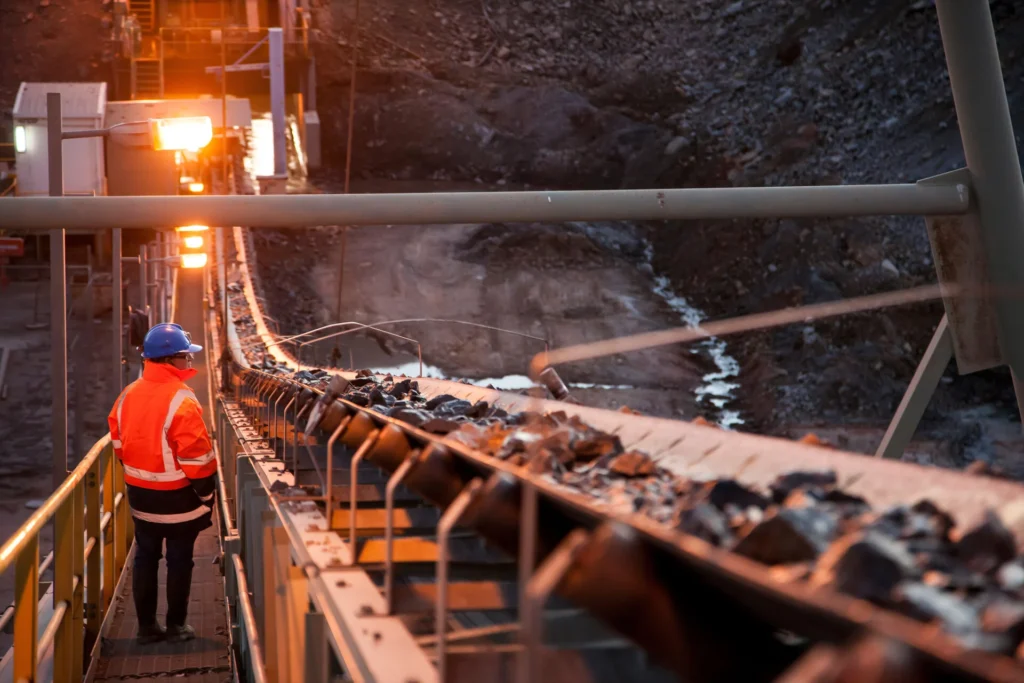
If you’re considering a role on a mine site in Australia — whether as an underground miner, truck driver, tradie, driller, maintenance worker, security staff, cleaner, supervisor, or specialised FIFO worker — you’re probably wondering: do you need a White Card to work on a mining site?
The short answer is yes — if your work will expose you to construction zones, civil works, or operational areas where safety hazards exist.
It ultimately depends on your role, the type of work you are doing, and the state or territory where the mine operates.
This guide provides clear practical advice and state-specific guidance for FIFO workers and anyone who plans on working on a mining site in Australia.
What Is a White Card and Why It Matters for Mining Jobs
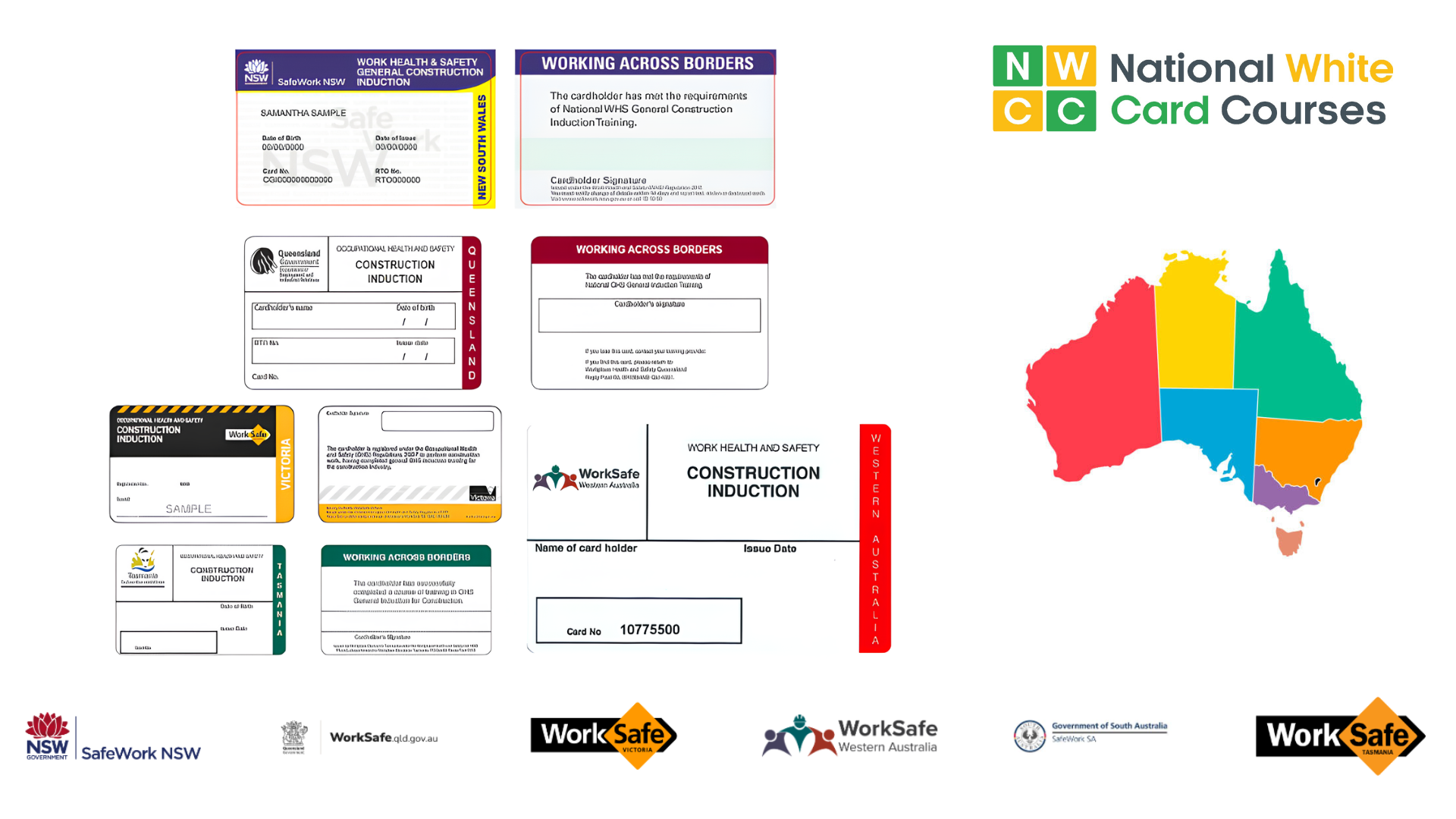
A White Card (General Construction Induction Card), proves you have completed nationally recognised construction induction training — CPCWHS1001: Prepare to work safely in the construction industry.
White Card training covers:
- Identifying workplace hazards
- Risk control measures
- Safety communication and reporting requirements
- Legal obligations under WHS law
While primarily for construction, mining employers often require a White Card for anyone entering construction or hazard-exposed areas, even if your job isn’t a traditional construction role.
Holding one demonstrates that you understand site safety principles and can operate safely around moving machinery, temporary structures, and civil works.
Who Needs a White Card on a Mine Site in Australia?
Mining operations involve more than extraction — most sites include roadworks, facility upgrades, infrastructure maintenance, and camp construction.
If your work brings you into these areas, you will typically need a White Card just to enter these high-risk work zones.
Roles Commonly Requiring a White Card on Mining and Construction Sites
|
Role |
Why a White Card Is Required |
Example Tasks |
|
Construction trades |
Required to legally enter and work in active construction zones |
Civil works, facility construction, infrastructure installation |
|
Maintenance staff |
Access to operational, maintenance, and hazard-exposed areas |
Electricians repairing fixed equipment; plumbers servicing site water or drainage systems |
|
Security personnel |
Regular movement through active work and construction zones |
Patrolling site boundaries, monitoring access points, checking temporary structures |
|
Cleaners |
Working within construction or operational areas with site hazards |
Cleaning site amenities, temporary buildings, and work areas |
|
Delivery drivers / contractors |
Entry into active loading, unloading, and construction zones |
Delivering equipment, materials, or building supplies |
|
Supervisors |
Oversight of work occurring in construction or high-risk zones |
Monitoring works, conducting safety checks, coordinating site activities |
When a White Card May Not Be Required
Some circumstances may not require you to hold a White Card when working on a mining site in Australia. This can include (but not limited to):
- Office-only or admin roles:Fully separated from active work areas.
- Escorted visitors:Access to low-risk areas under direct supervision.
- Remote, low-risk areas:Some mining sites may allow temporary entry to certain zones without a White Card if hazards are minimal.
Important: Always confirm with the mine site’s safety and compliance team. Most mining sites in Australia require a White Card for all personnel, regardless of role.
White Card Requirements for Mining Jobs by State
The White Card is nationally recognised, but mining sites apply requirements differently depending on state legislation, type of mine, and site-specific risks.
Understanding the types of mines in each region helps explain why a White Card is necessary for certain roles.
New South Wales (NSW)
Types of mines: Coal mines in the Hunter Valley and metalliferous mines in Broken Hill. Many operations combine extraction with ongoing civil and infrastructure works, including processing plants and road networks.
White Card relevance: Workers entering construction zones, new infrastructure, or high-risk operational areas must hold a White Card. Support staff such as cleaners, maintenance crews, and security personnel need it if their work exposes them to these hazards.
Practical impact: Even if your role is mainly operational, a White Card ensures you understand hazard zones, trafficable areas, and civil works risks, allowing safe access to dynamic mine environments.
Queensland (QLD)
Types of mines: Large-scale coal operations in the Bowen Basin, bauxite, and metalliferous mines. Many are FIFO operations in remote areas with ongoing infrastructure expansion.
White Card relevance: Mandatory for contractors, supervisors, maintenance crews, and anyone entering construction or civil work zones. Admin staff or visitors in office-only areas may be exempt.
Practical impact: On Queensland FIFO sites, your White Card is often verified before site induction or muster, ensuring you are trained to safely navigate moving plant, temporary structures, and remote operational hazards.
Western Australia (WA)
Types of mines: Iron ore in the Pilbara, gold in Kalgoorlie, nickel and lithium operations. Sites frequently combine extraction with roadworks, facility construction, and remote infrastructure projects.
White Card relevance: Required for all personnel entering construction or civil work zones. FIFO hubs enforce White Card compliance before site induction.
Practical impact: WA’s large, remote sites mean a White Card provides baseline knowledge of construction hazards and risk control, which is critical when working near heavy plant, earthworks, or new processing facilities.
Victoria (VIC)
Types of mines: Small-scale brown coal, gold, and quarries. Many regional operations integrate civil works for site expansions or equipment upgrades.
White Card relevance: Needed for anyone entering construction, maintenance, or civil zones. Regional sites also accept interstate White Cards.
Practical impact: Even on smaller mines, a White Card ensures workers are aware of equipment hazards, temporary structures, and safe movement through worksites, which protects both employees and contractors.
South Australia (SA)
Types of mines: Copper, uranium, and gold operations, often in remote outback locations with infrastructure construction ongoing alongside extraction.
White Card relevance: Expected for support staff entering active work zones. Office-only roles may be exempt if separated from hazards.
Practical impact: On SA mines, the White Card is essential for navigating remote construction zones, temporary accommodation, and plant interaction areas, ensuring compliance and safety.
Tasmania (TAS)
Types of mines: Tin, zinc, and copper operations, often smaller and integrated with local infrastructure maintenance.
White Card relevance: Required for workers entering construction, civil works, or maintenance zones.
Practical impact: White Card training helps workers identify construction hazards, safe zones, and emergency protocols, which is particularly valuable on smaller, multi-use sites.
Northern Territory (NT) & Australian Capital Territory (ACT)
Types of mines: NT has gold, uranium, and iron operations, often combined with remote civil and infrastructure projects; ACT has limited mining but some construction projects may require White Cards.
White Card relevance: Needed for access to construction or high-risk operational zones. FIFO workers are usually required to hold one before induction.
Practical impact: Provides baseline safety awareness, helping new workers adapt to remote sites with moving machinery, temporary structures, and civil works hazards.
Overall: A White Card is mandatory for most mining roles that interact with construction, infrastructure, or hazard-exposed zones.
Requirements may differ slightly by state due to legislation and local site protocols.
Understanding the type of mine and typical hazards in each region helps you understand why White Card training is mandatory for high-risk jobs on a mining site and how it contributes to your personal safety on-site.
Practical Advice for FIFO Workers and New Mining Job Applicants

If you’re considering a FIFO or regional mining role, a White Card is often one of the first requirements employers check.
Here’s what you need to know to ensure you can secure a job on a mining site in Australia:
- Understand Site Requirements Before Applying
Mining employers often specify White Card requirements in job ads. Check whether your role will involve entering construction zones, maintenance areas, or active work sites.
Even support roles — such as cleaning, catering, or security — may require a White Card if your tasks bring you into hazard areas. Your application may be automatically filtered out (before a human actually sees it) if you can’t tick the box that says you have a valid White Card.
- Keep Your Documentation Ready
Have your White Card and Statement of Attainment ready before applying, attending interviews, completing site-specific inductions, or attending site visits.
FIFO operations will often check these credentials before hiring you.
- Plan for Multiple States
FIFO workers frequently move between sites in WA, QLD, NT, and other regions. Each state recognises the White Card, but some sites may have additional requirements or verification procedures.
Always make sure your card is current and the RTO who delivers your White Card training is government-approved and recognised nationally.
- Confirm Your Role and Daily Tasks
Clarify with the employer whether your job will take you into active work zones, civil works, or areas with moving machinery.
If so, a White Card is mandatory before site-specific induction. Even short-term access to construction areas is usually enough for a site to enforce the White Card requirement.
- Know the Difference Between a White Card and Site Induction
The White Card demonstrates baseline safety knowledge.
Most mines still require site-specific inductions covering hazards unique to the operation, emergency procedures, PPE, and vehicle or plant interaction.
Holding a White Card allows you to complete these inductions more efficiently and signals readiness to an employer you’re ready to start work.
- Use Escorted Access Only When Necessary
Some sites may allow visitors or new employees to enter low-risk areas under supervision.
This is not a replacement for a White Card, and most mining sites/employers will restrict job opportunities and site-wide access until you complete White Card training.
Mining Jobs White Card FAQ's
Is a White Card all I need to get a mining job in Australia?
It depends. If you are aiming for an entry-level mining job (such as trade assistant or driller’s offsider), a White Card is usually the minimum safety requirement needed for your role. Specialised mining jobs or work in specific environments will often require additional training and certification, such as the Standard 11 Mining Induction Course.
Are White Cards recognised across all states in Australia?
Yes, White Cards obtained through a Registered Training Organisation (RTO) such as National White Card Courses are nationally recognised, and accepted in every state across Australia.
How long is a White Card valid?
White Cards are nationally recognised and don’t technically expire. However, if you haven’t been involved in construction work for two consecutive years, some employers may require refresher training.
Are online White Card courses accepted on mining sites and by mining employers?
Most mining employers require face-to-face or live instructor-led training to ensure strict safety compliance.
Do mining site support staff such as cleaners or security personnel need a White Card?
Yes, if accessing active construction or hazard-exposed zones.
Do mining site visitors always require a White Card?
Only if entering risk areas; otherwise, supervised visitor access may be acceptable. Always check first before entering an active mining site.
Does the White Card expire?
No, though employers may request refresher training after periods of prolonged inactivity.
Does holding a White Card exempt you from mining-specific training?
No. White Card training complements, not replaces, site-specific training and inductions.
Are delivery drivers and contractors on a mining site required to hold a White Card?
Yes, if entering hazard-exposed or active construction zones.
Get a Government-Approved White Card and Start Your Mining Career With Confidence!

When it comes to entering or working in Australia’s highly-competitive mining sector, don’t risk losing a job because your White Card isn’t valid.
National White Card Courses is an accredited Registered Training Organisation (RTO 41072) providing nationally recognised White Card courses across Australia.
Our training is approved by all relevant government bodies, including SafeWork NSW, WorkSafe QLD, WorkSafe VIC, WorkSafe WA, SafeWork SA, and WorkSafe Tasmania, ensuring your certification is valid on FIFO, regional, and metropolitan mining sites throughout the country.
We deliver hands-on instruction that online-only courses can’t match, giving you the practical knowledge mining employers expect.
By choosing National White Card Courses, you’re protecting yourself from unrecognised certifications, online scams, and inadequate preparation for real-world mining environments.
Our White Card training provides a legitimate, nationally recognised certificate, allowing you to access construction and hazard-exposed areas on mining sites anywhere in Australia — so you’re ready to apply for jobs and begin working with confidence.
Enrol in a Government-Approved White Card Course Below: