
Key Takeaways
- A White Card is a mandatory requirement for working on most construction sites in Australia and proves you’ve completed essential safety training.
- One of the biggest White Card benefits is improved employability, as most employers require it before you can start work on site.
- White Card training teaches critical safety skills, including hazard identification, risk awareness, and emergency response procedures.
- The qualification is nationally recognised, meaning it can generally be used across all Australian states and territories.
- Beyond compliance, a White Card builds the foundation for a construction career by supporting future training and demonstrating workplace professionalism.
Ask any experienced construction worker about the importance of safety and you’ll probably hear the same thing. The best way to avoid an incident is to understand the risks before you step onto site.
That’s exactly why White Card training exists, but White Card benefits extend far beyond identifying risks.
A White Card is much more than a piece of plastic in your wallet. It’s your introduction to construction site safety, workplace responsibilities, and the practical knowledge needed to work safely around hazards, equipment, vehicles and other workers.
Let’s take a closer look at the most valuable White Card benefits and what you can do to obtain yours quickly and easily.
Select Your State
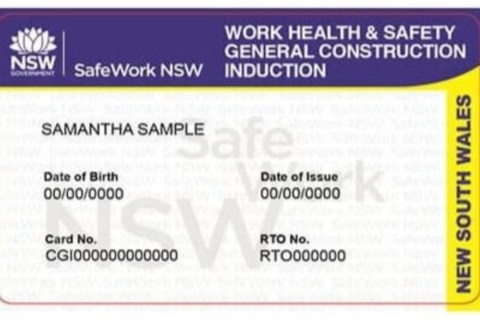
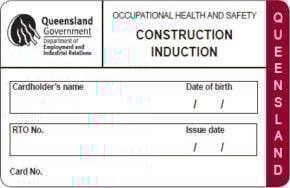
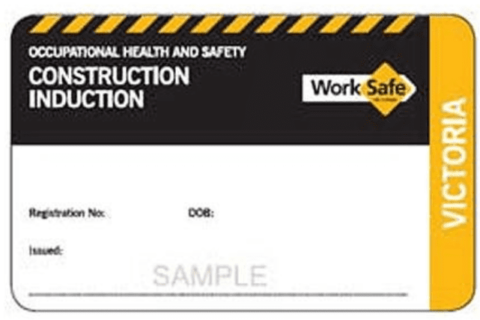
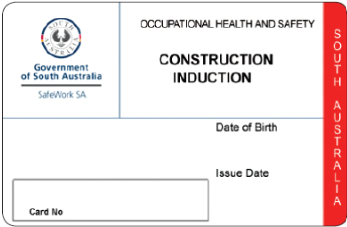
You must complete your White Card course in the state where you live. Please select the state you live in below.
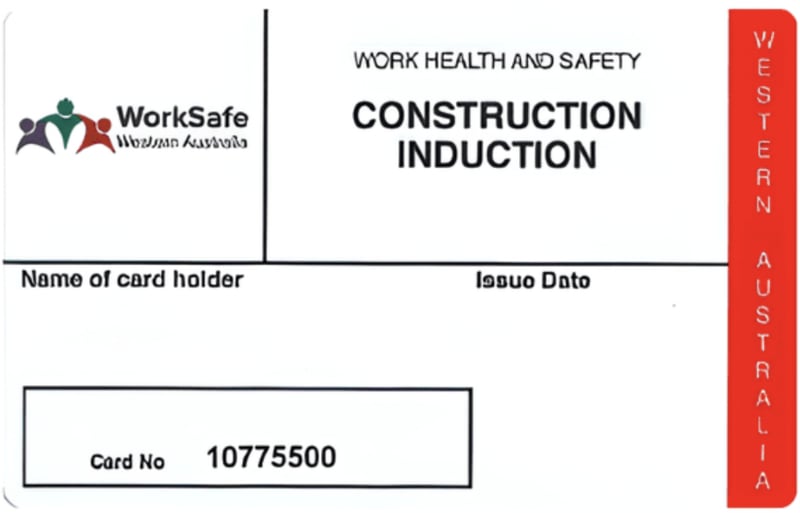
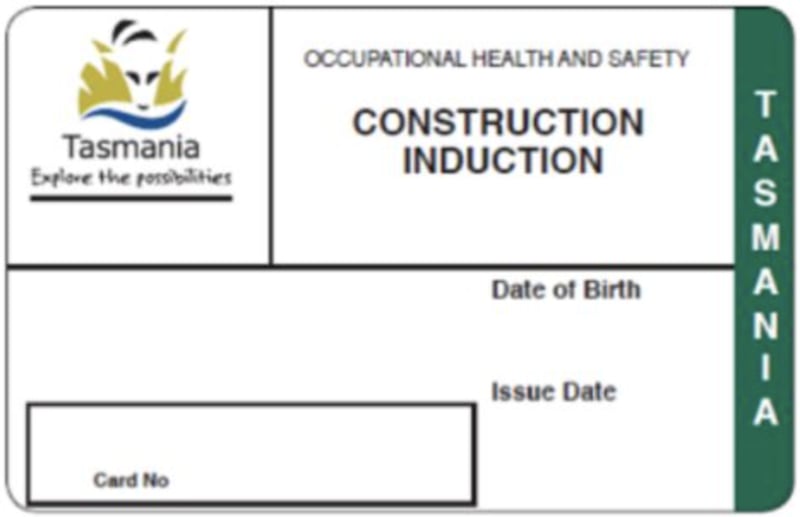


The Key Benefits of a White Card in Australia
For many people, a White Card is simply something they need to tick off before starting work. But once you look beyond the compliance requirements, it’s easy to see why the training is considered such an important part of entering the construction industry.
From improving your understanding of workplace safety through to creating more employment opportunities, the advantages extend far beyond gaining access to a worksite. Regardless of what role you have in the construction sector, the knowledge gained through White Card training can benefit you throughout your career.
Here are 10 of the biggest White Card benefits and why obtaining your certification is a worthwhile investment.
1. It Helps you Meet Legal Requirements
The most obvious of all White Card benefits is compliance.
Australian workplace health and safety laws require workers to complete general construction induction training before undertaking construction work. Without a valid White Card, you may be refused entry to a construction site or prevented from carrying out your duties.
Completing the course ensures you meet industry requirements and can begin working legally on eligible sites.
2. It Improves your Employment Opportunities
Construction employers want workers who can start safely from day one.
Holding a White Card demonstrates that you have completed the required induction training and understand the basic safety principles expected across the industry. For many employers, it’s a minimum requirement before considering an applicant.
Whether you’re seeking an apprenticeship, labouring role, trade position, or site management opportunity, having your White Card already organised can make you a more attractive candidate.
For many job seekers, obtaining a White Card before applying for roles shows initiative and can help them stand out from other applicants.

3. It Teaches Essential Safety Awareness
Construction sites can be hazardous environments.
Workers regularly encounter risks such as working at heights, moving vehicles, heavy machinery, electrical hazards, falling objects, and hazardous materials. White Card training introduces participants to these common risks and teaches them how to identify hazards before incidents occur.
One of the most valuable White Card benefits is learning how to recognise danger and take appropriate action before someone gets hurt.
The skills learned during training can be applied on virtually every construction site, regardless of your role or level of experience.
4. It Helps Reduce Workplace Injuries
The construction industry remains one of Australia’s highest-risk industries, which is why safety training is taken so seriously.
White Card training helps workers understand how accidents happen, what controls can be put in place to minimise risks, and why following safety procedures matters. By increasing awareness and promoting safer work practices, the training contributes to reducing workplace injuries and incidents.
While no training can eliminate all risks, understanding how to identify and manage hazards can significantly improve workplace safety outcomes.

5. It Prepares you for Real Construction Environments
For people entering the industry for the first time, construction sites can feel fast-paced and intimidating.
White Card training provides an introduction to how construction sites operate, the safety procedures workers are expected to follow, and the importance of communication on site. It helps participants understand what employers expect and how to contribute to a safe working environment from day one.
This foundational knowledge can make your transition into construction work much smoother and help you feel more confident on your first day.
6. It is Recognised Across Australia
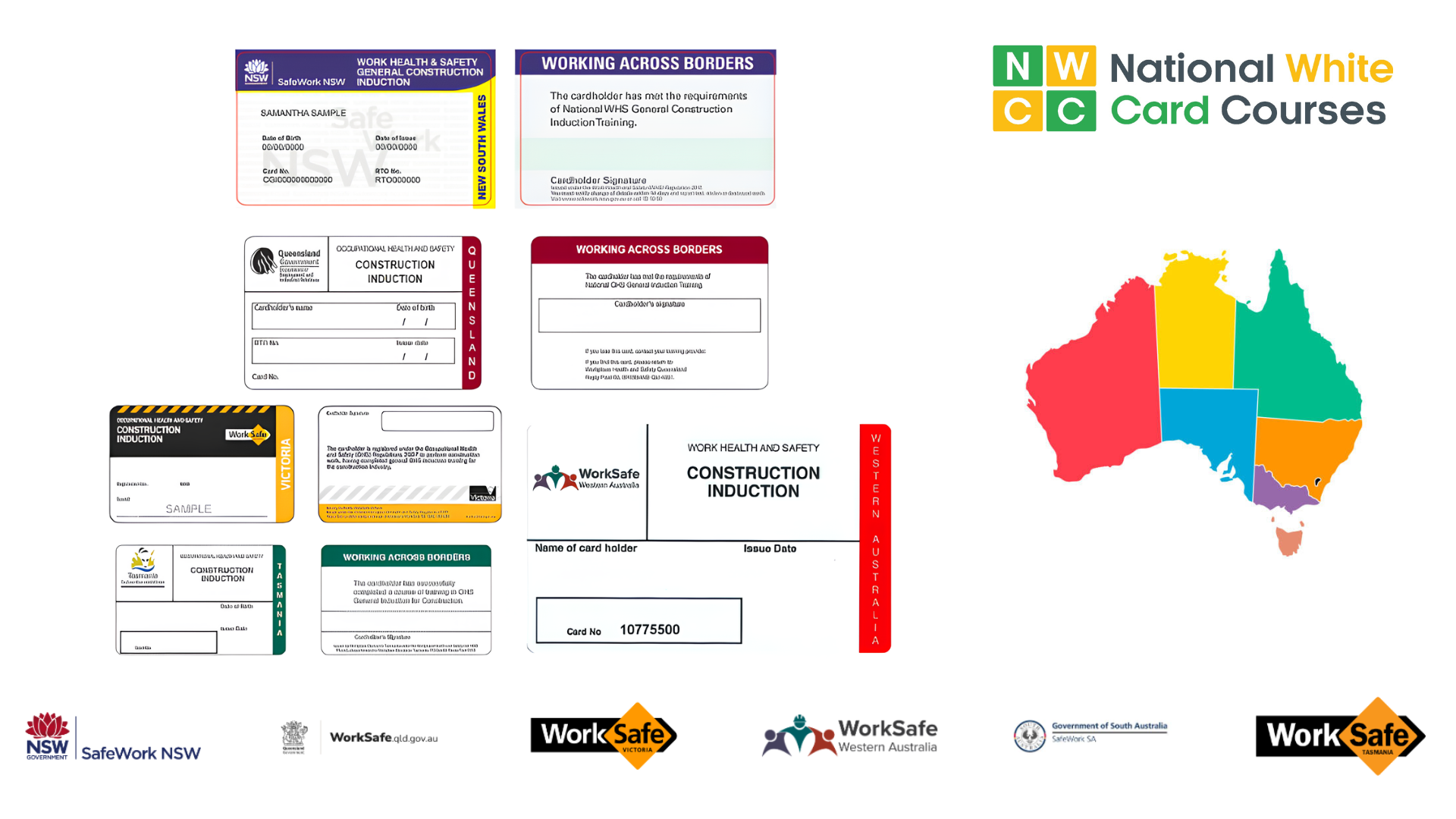
Another major White Card benefit is national recognition. Once issued, your White Card can generally be used throughout Australia, making it easier to work across state and territory borders without needing to complete the same training multiple times.
For workers who travel for projects, FIFO opportunities, infrastructure developments, or regional construction work, this flexibility can be extremely valuable.
It also means your qualification remains relevant even if your career takes you to a different part of the country.
7. Understanding Workplace Responsibilities
Many people assume White Card training is only about identifying hazards. In reality, participants also learn about workplace health and safety responsibilities, reporting requirements, consultation processes, and the role every worker plays in maintaining a safe site.
Construction safety isn’t solely the responsibility of supervisors or site managers. Every person on site has a responsibility to follow procedures, report hazards, and help create a safer workplace.
Understanding these obligations can help you become a more effective and responsible worker throughout your career.

8. It Helps you Respond to Emergencies
Construction workers must know what to do when something goes wrong. White Card courses cover emergency procedures, evacuation protocols, incident reporting requirements, and workplace communication during emergency situations. While nobody wants to encounter a serious incident, knowing how to respond appropriately can make a significant difference.
Being prepared can help minimise confusion and ensure the correct procedures are followed when time matters most.
9. It Provides a Foundation for Future Qualifications
A White Card is often the first step in a much larger career journey. Many workers who complete their White Card later pursue additional training and licences, including working at heights, confined spaces, traffic control, elevated work platforms, dogging, rigging, and other specialised qualifications.
By obtaining your White Card early, you’re establishing the foundation for future professional development and career progression.
For apprentices and new entrants to the industry, it is often the first qualification in a long list of valuable credentials.
10. It Demonstrates Professionalism
Employers value workers who take safety seriously. Holding a White Card shows that you understand the importance of workplace safety and have invested time in learning industry expectations before entering a worksite.
It demonstrates a commitment to working safely, following procedures, and contributing positively to site culture. These qualities are highly valued by employers across the construction sector.
In an industry where safety is everyone’s responsibility, professionalism and awareness can go a long way.

Tips to Get your White Card
If you’re ready to complete your training, there are a few simple steps you can take to make the process as smooth and stress-free as possible. Taking a little time to prepare upfront can help you move through each stage confidently, avoid delays, and get your certification without unnecessary hiccups.
Choose a Reputable Training Provider
Not all training providers are the same. Ensure your course is delivered by a Registered Training Organisation (RTO) authorised to provide White Card training. Choosing a reputable provider helps ensure your certification is recognised and that you’ll receive quality training.
Prepare Your Identification Documents
Before enrolling, check what identification is required. Having the correct documentation ready can help avoid delays and ensure your enrolment process runs smoothly.
Set Aside Enough Time
While White Card training can often be completed in a single day, it’s important to allow enough time to focus on the course material and complete any required assessments.
Avoid rushing through the training. The knowledge you’ll gain is designed to help keep you safe throughout your career.
Participate Actively
The course isn’t just about obtaining a card. Ask questions, engage with the training, and make the most of the opportunity to learn from experienced trainers. Real-world examples and practical discussions can provide valuable insights that extend beyond the assessment itself.
Focus on Understanding, Not Memorising
Rather than simply trying to pass the course, focus on understanding how the safety principles apply in real workplaces.
The better you understand hazard identification, risk management, and safe work practices, the more prepared you’ll be when you step onto a construction site.

Frequently Asked Questions
Is a White Card mandatory in Australia?
Generally yes. A White Card issued in any state or territory is accepted on construction sites nationwide, so you don’t need to redo the course if you move interstate for work.
That said, delivery and assessment requirements can differ between states, so if you’re ever unsure whether your card meets local site requirements, it’s worth checking with the relevant state authority before you start.
How long does a White Card last?
A White Card does not expire in most Australian states and territories. However, if you do not work in construction for an extended period, some employers or sites may require you to refresh your safety knowledge before returning to work.
Do I need a White Card to start an apprenticeship?
Yes, in most construction-related apprenticeships, you will need a White Card before starting work on site. Many employers or training organisations will require you to complete it either before or shortly after being accepted into a role.
Why is White Card training important for safety?
White Card training is important because it teaches you how to identify hazards, follow safe work procedures, and respond to emergencies. This helps reduce workplace injuries and ensures everyone on site understands their responsibility to maintain a safe working environment.
Enrol in a White Card Course Near You